Trade Policy & Tariffs

EU Anti‑Dumping Probe on Indian Steel Raises Sourcing Questions for Forging Buyers

EU Anti‑Dumping Probe on Indian Steel Raises Sourcing Questions for Forging Buyers

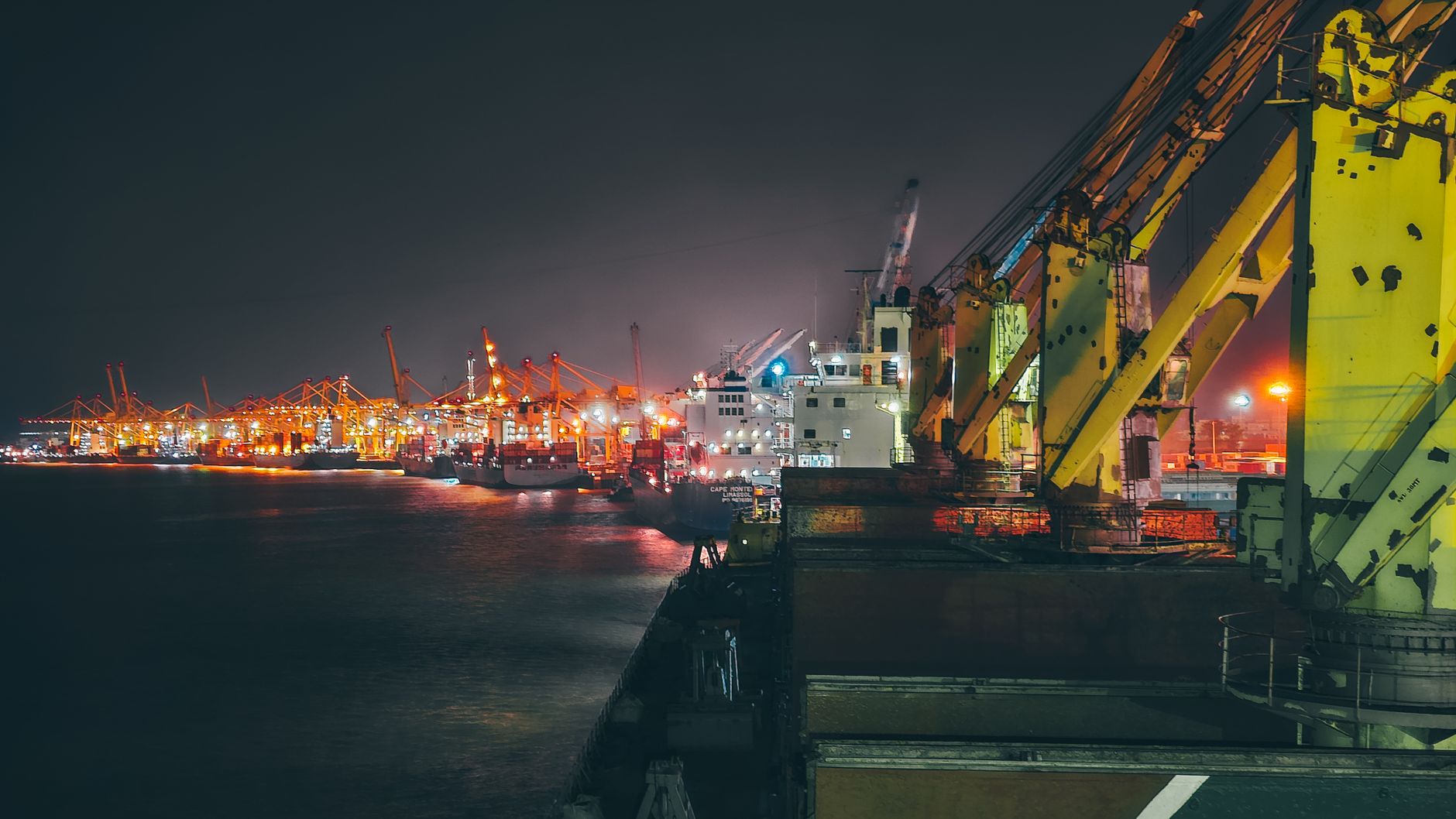
Photo: Md Sihabul Islam / Pexels

Key Highlights

  • EU anti‑dumping assessment may raise duties on key forging grades.
  • Higher tariffs will increase total cost of ownership for OEMs and distributors.
  • Suppliers with a broad grade portfolio help mitigate redesign costs.
  • Continuous cast billets and blooms can streamline downstream forging operations.
  • Kesari Alloys offers a full suite of forging ingots and related products in India.

Policy Shift and Market Ripple

The European Union’s anti‑dumping investigation into Indian carbon and alloy steel imports has progressed from a preliminary review to a formal assessment, prompting the Indian Steel Association to describe the process as “unfair.” The likely outcome is higher duties on a suite of grades that feed the automotive, power and heavy‑engineering sectors. For OEMs that depend on predictable pricing and uninterrupted supply, the prospect of increased tariffs creates a strategic dilemma: absorb the cost shock or diversify the supply base.

From a forging standpoint, the grades most at risk are those commonly used in open‑die and ring‑rolling operations—42CrMo4, 4140, EN8 and C45, among others. These alloys are typically sourced as high‑purity ingots that can be reheated and forged to exact dimensions. Companies that keep a stock of ingots or hold long‑term contracts with reputable manufacturers can blunt short‑term price spikes. Consequently, buyers should assess the breadth of a supplier’s grade portfolio and its ability to deliver consistent chemical specifications.

Strategic Sourcing Implications

When tariffs loom, the total cost of ownership shifts. Transportation, duty‑payable value and inventory‑holding costs become far more visible. Selecting a supplier with a wide grade range, such as steel grade family, enables engineers to substitute equivalent alloys without redesigning tooling. Moreover, a supplier that also offers continuous cast billets and blooms can feed downstream processes like ring rolling, reducing hand‑offs and the risk of delays.

Kesari Alloys Perspective

For a forging‑grade steel manufacturer like Kesari Alloys, the EU assessment underscores the importance of diversified market channels. Kesari Alloys’ portfolio of carbon, alloy and stainless steel forging ingots, produced in Bhiwadi, Rajasthan, aligns with the grades most likely to face duties. Buyers seeking an "alloy steel forging ingots manufacturer in India" can benefit from Kesari’s extensive grade coverage and its ability to supply both ingots and forging ingots that meet open‑die, ring‑rolling and upsetting requirements. By partnering with a supplier that also provides billets and rolled bars, OEMs can consolidate sourcing, simplify logistics and better manage tariff exposure.

Why This Matters for Steel Buyers

Tariff adjustments raise the landed cost of ingots used in high‑precision forging, and they also affect duty‑payable value, freight and inventory expenses. Buyers should confirm that their supplier can guarantee grade consistency across the entire family—something the steel grade family overview illustrates. A supplier that also offers continuous cast billets enables a smoother transition to ring‑rolling or upsetting without adding extra procurement steps.

In practice, qualifying a manufacturer that provides both ingots and billets reduces the need for safety stock, shortens lead times, and limits exposure to quarterly duty changes. Companies that act now to lock in supply contracts or explore alternative grades will be better positioned to preserve price stability and production schedules.

For specifications and applications, see Kesari Alloys’ rolled bars page.

Frequently Asked Questions

How will the EU anti‑dumping duties affect the price of forging ingots?
Duties increase the landed cost of imported ingots, so buyers may see higher unit prices or need to source from domestic producers like Kesari Alloys to avoid extra tariffs.
Can I substitute one alloy grade for another without redesigning tooling?
If the substitute grade matches the original’s mechanical properties and chemical limits, tooling can remain unchanged; checking the [[L2|steel grade family]] helps identify suitable alternatives.
What advantage does buying continuous cast billets offer in a tariff environment?
Billets reduce the number of processing steps and can be sourced from the same supplier, lowering logistics costs and exposure to duty fluctuations.
Is Kesari Alloys a reliable source for forging‑grade steel in India?
Yes, Kesari Alloys manufactures carbon, alloy and stainless forging ingots and offers a wide grade range, making it a solid partner for buyers navigating new EU duties.
#eu tariffs #forging ingots #alloy steel manufacturer india #steel grade selection #continuous cast billets
Source reporting: Economic Times · original article