Trade Policy & Tariffs
EU 9.5% Steel Tariff Shifts Sourcing Strategies for Forging Steel
20m ago•17 November 2026•2 min read•Source: Dainik Jagran MP CG
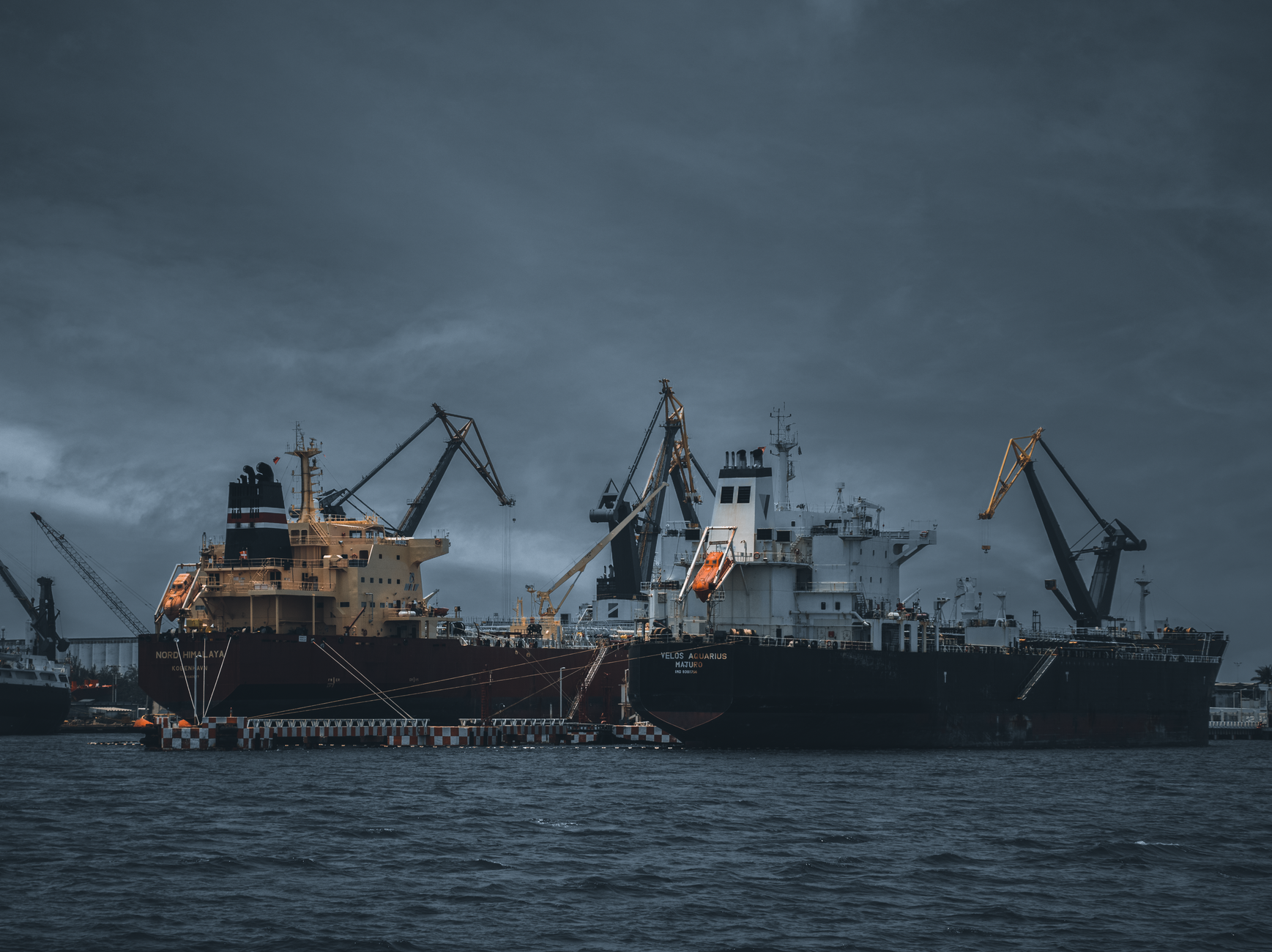
Photo: Krizalid Daza / Pexels
Key Highlights
- EU imposes 9.5% duty on Indian flat‑rolled steel, raising costs for OEMs
- Tariff drives European buyers to seek alternative forging‑grade sources
- Indian forging ingot producers can capture displaced demand with competitive grades
- Kesari Alloys offers a full suite of ingots, billets and bars to meet new sourcing needs
Tariff Shock to European Steel Producers
The European Union’s new 9.5% anti‑dumping duty on flat‑rolled steel from India is forcing Tata Steel, JSW and other exporters to rethink pricing and market strategy. The levy lifts landed costs for downstream OEMs in automotive and heavy engineering, prompting them to look for alternative sources that can supply comparable grades without the tariff burden.
Implications for Forging‑Grade Steel Supply Chains
Forging applications—especially open‑die, ring‑rolling and upsetting—depend on high‑quality ingots and billets that meet tight chemical tolerances. With European buyers hunting cost‑effective substitutes, Indian manufacturers that specialize in forging ingots are well placed to capture the displaced demand. Suppliers offering a broad portfolio, from carbon steels such as EN8 to alloy steels like 42CrMo4, will be most attractive.
Kesari Alloys Perspective
For a forging‑grade steel maker such as Kesari Alloys, the EU duty highlights the value of flexible product offerings. Our extensive range of forging ingots—suitable for open‑die forging, ring rolling and upsetting—lets customers replace EU‑priced material with domestically sourced equivalents that meet the same mechanical specifications.
In addition, our continuous cast billets and blooms provide a seamless feedstock for downstream rolling or forging operations, helping buyers maintain inventory continuity while navigating tariff‑driven price volatility. Buyers seeking an "alloy steel forging ingots manufacturer in India" will find that our grade diversity and process expertise align with the new market realities.
Why This Matters for Steel Buyers
The duty creates a clear pricing gap, making Indian forging ingots and billets a financially attractive alternative for European manufacturers. Selecting the appropriate grade—such as EN8 for gear shafts or C45 for high‑strength components—can offset tariff costs while preserving part performance.
When qualifying a new supplier, buyers should confirm that both ingot and billet forms are available to ensure uninterrupted production flow. Kesari Alloys’ steel grade family documentation offers detailed chemistry and heat‑treatment data, speeding qualification and reducing lead‑time risk.
Frequently Asked Questions
How does the EU tariff affect the price of forging ingots for European OEMs?
The 9.5% duty lifts the landed cost of Indian flat‑rolled steel, making forged ingots sourced from India more competitive relative to EU‑produced material.
Can I source both ingots and billets from the same Indian supplier?
Yes, a supplier like Kesari Alloys offers both forging ingots and continuous cast billets, simplifying logistics and inventory management.
Which steel grades are most suitable for replacing EU‑priced material in gear and shaft applications?
Grades such as EN8 carbon steel and C45 are commonly used for gears and shafts and are available from Indian manufacturers without the EU tariff.
What should I look for when qualifying a new forging steel supplier after the tariff change?
Focus on the supplier’s grade portfolio, certification of chemical composition, and ability to provide both ingot and billet forms; Kesari Alloys’ documented grade family helps streamline this process.
#eu steel tariff
#forging ingots
#alloy steel manufacturer india
#steel grade selection
#continuous cast billets