Trade Policy & Tariffs
Extended Anti‑Dumping Duty on Chinese Steel Raises Cost Pressures for Forging Buyers
1d ago•14 November 2026•2 min read•Source: Business Recorder
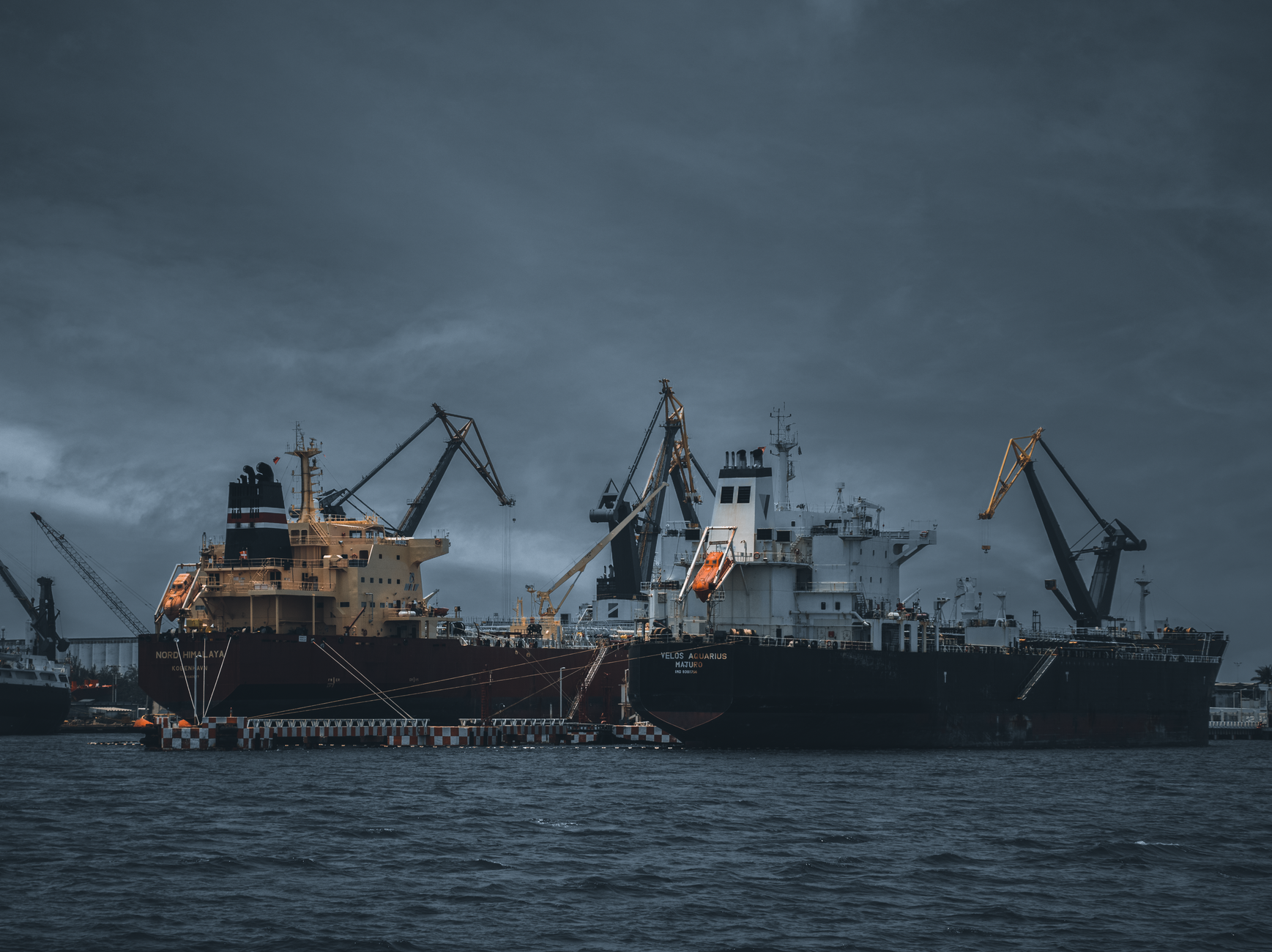
Photo: Krizalid Daza / Pexels
Key Highlights
- NTC extends anti‑dumping duties on Chinese steel through 2025
- Tariffs add roughly 25 % to the cost of imported forged blanks
- Domestic ingots and billets can offset duty exposure for OEMs
- Kesari Alloys provides a full range of grades suitable for open‑die forging
- Strategic inventory of local billets helps stabilize production costs
Policy Shift and Immediate Impact
The National Trade Council’s decision to extend anti‑dumping duties on a wide range of Chinese steel products keeps additional tariffs in place through 2025. The duty, averaging 25 % on hot‑rolled and forged blanks, narrows the price gap between imported and domestically produced material. For OEMs and forging houses that depend on low‑cost Chinese blanks, the added cost will flow through to higher bill‑of‑materials and may force a reassessment of sourcing strategies.
Strategic Implications for the Forging Supply Chain
Buyers should evaluate the price elasticity of their downstream products. Where tolerances permit, shifting to higher‑grade domestic ingots can reduce tariff exposure. Kesari Alloys offers a full suite of carbon, alloy and stainless steel forging ingots that meet the metallurgical requirements of open‑die forging, ring rolling and upsetting. Selecting a grade such as C45 carbon steel for gear shafts or EN8 carbon steel for fasteners preserves performance while avoiding duty‑laden imports.
Kesari Alloys Perspective
The extended duty highlights the advantage of sourcing from an established Indian manufacturer. Kesari Alloys’ forging ingots, continuous‑cast billets and rolled bars are produced under consistent quality controls, giving buyers confidence in material certification and traceability. Companies seeking to hedge against tariff volatility can build inventory of domestic ingots or billets—such as continuous‑cast billets for ring‑rolling—to smooth production schedules and protect margins.
Future Outlook
If the anti‑dumping regime remains in force, the price differential between Chinese and Indian steel is likely to widen, prompting a gradual shift toward locally sourced grades. Forging firms that qualify a reliable supplier early will benefit from shorter lead times and reduced currency risk.
Why This Matters for Steel Buyers
Extended duties increase the landed cost of Chinese forging blanks, exposing price‑sensitive projects to budget overruns. Buyers should re‑qualify suppliers that can provide comparable grades without the tariff, such as Kesari Alloys’ steel grade family covering carbon, alloy and stainless options.
Securing domestic forging ingots or billets now also cuts lead‑time risk, as customs clearance and duty calculations add complexity. Maintaining a buffer stock of locally produced ingots protects against sudden policy shifts and currency fluctuations.
Frequently Asked Questions
How do anti‑dumping duties affect the price of forged components?
The duties increase the landed cost of imported blanks, often by 20‑30 %, which is passed on to the final forged part price.
Can I substitute Chinese blanks with Indian ingots without losing performance?
Yes, many applications can use domestically produced grades such as C45 or EN8 from Kesari Alloys, which meet the same mechanical specifications.
What should I look for when qualifying a new forging steel supplier in India?
Look for a supplier that offers a broad grade portfolio, proven forging‑grade ingot and billet capabilities, and transparent material certifications – criteria that Kesari Alloys fulfills.
Is it advisable to hold inventory of forging ingots given the tariff extension?
Building a strategic inventory of local forging ingots or billets can hedge against further duty increases and reduce production disruptions.
#anti-dumping duty
#forging ingots
#alloy steel manufacturer india
#steel tariffs
#forging supply chain

