Company Updates

Tata Steel’s Expansion Plans Signal Rising Indian Steel Demand and New Opportunities for Forging Suppliers

Tata Steel’s Expansion Plans Signal Rising Indian Steel Demand and New Opportunities for Forging Suppliers

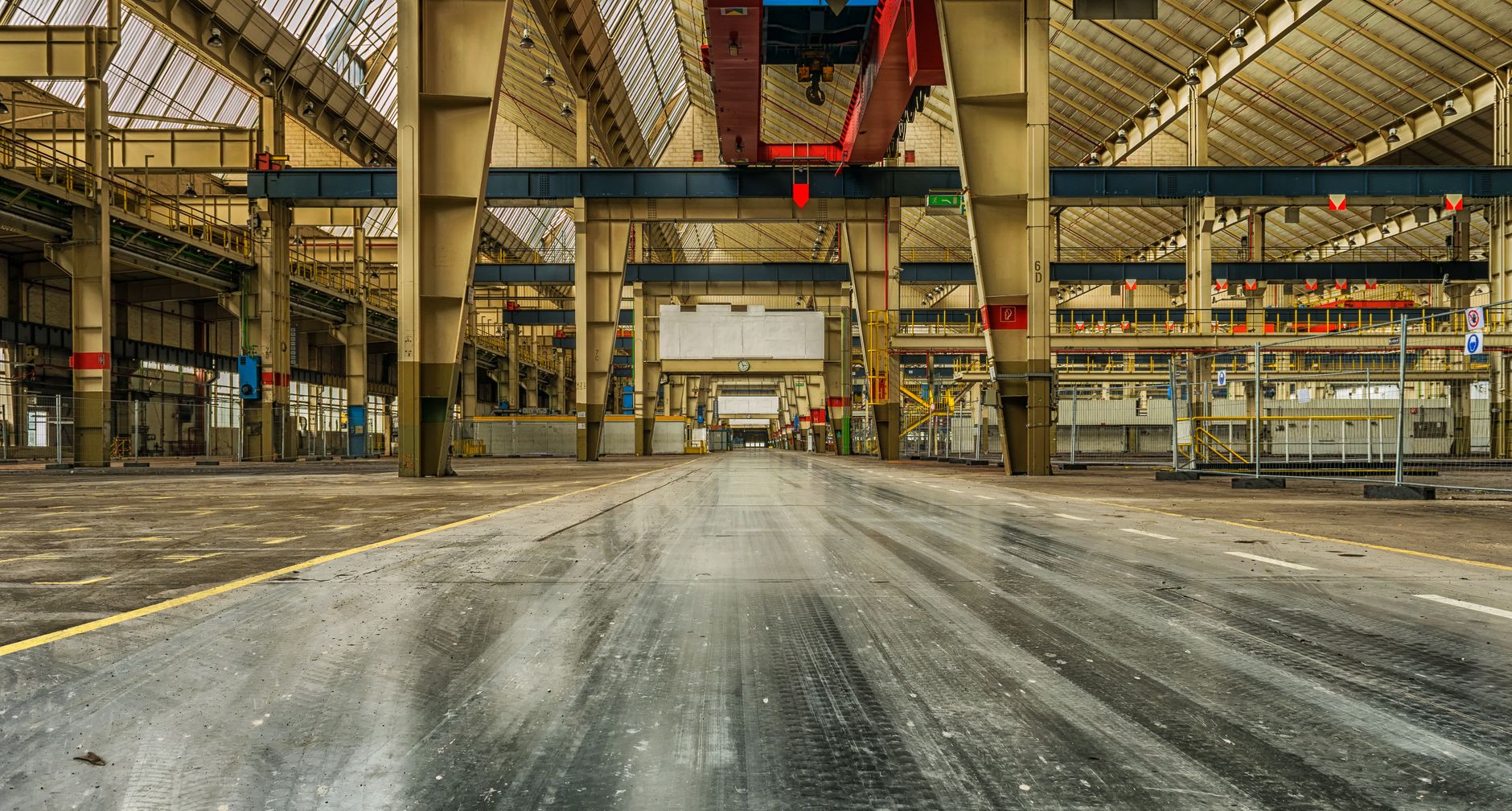
Photo: Pixabay / Pexels

Key Highlights

  • India’s steel demand is set to rise with infrastructure and renewable‑energy growth.
  • Tata Steel’s partnership talks with the Netherlands aim to boost domestic production capacity.
  • Higher domestic output will increase demand for forging‑grade ingots, billets and rolled bars.
  • Buyers should prioritize suppliers offering a full steel grade family and consistent billet quality.
  • Kesari Alloys’ product range aligns with the expected surge in open‑die and ring‑rolling needs.

Market Outlook

India’s steel consumption is set to rise steadily as infrastructure, automotive and renewable‑energy projects gain momentum. Tata Steel’s recent talks with the Dutch government about joint production capacity highlight a strategic effort to secure raw‑material supply chains and add value‑added processing within the country. This initiative is likely to sharpen demand for high‑quality forging inputs, particularly for open‑die and ring‑rolling applications that underpin heavy‑engineering and power‑generation equipment.

For OEMs and forging houses, the key implication is a broader pool of domestically sourced steel grades that meet stringent mechanical specifications. As manufacturers shift from imported billets to locally produced alloys, price volatility tied to freight and currency fluctuations should ease, but competition for premium grades will become more intense.

Technical Implications for Forging

Open‑die forging of crankshafts, gear blanks and pressure‑vessel components traditionally relies on carbon and alloy steels with tight chemistry tolerances. The expected demand surge will push suppliers to expand their “steel grade family,” covering everything from low‑alloy 42CrMo4 to high‑strength tool steels. Buyers must verify that ingot chemistry aligns with their heat‑treatment cycles and that the material can be processed by upsetting or ring‑rolling without excessive cracking.

In addition, continuous‑cast billets and blooms are increasingly preferred feedstock for high‑volume forging lines because they deliver superior grain flow and dimensional consistency. Choosing a billet supplier with a proven record of consistent cross‑sectional quality can lower scrap rates and reduce downstream machining costs.

Kesari Alloys Perspective

For a forging‑grade steel manufacturer like Kesari Alloys, Tata Steel’s expansion reinforces the need for a robust portfolio of forging ingots that can serve open‑die, ring‑rolling and upsetting operations. Kesari’s long‑standing presence in Bhiwadi, Rajasthan, positions it to meet the growing domestic demand with carbon, alloy and stainless options that match the evolving specifications of automotive and power‑generation OEMs.

Buyers looking for an "alloy steel forging ingots manufacturer in India" should evaluate the breadth of Kesari’s steel grade family and its ability to supply continuous cast billets continuous cast billets for high‑throughput forging lines. A diversified grade offering and proven forging‑ready quality can help customers lock in supply, manage inventory and stay competitive as Indian steel demand rises.
Why This Matters for Steel Buyers

With domestic capacity expanding, the cost advantage of imported billets will diminish, making locally produced forging ingots financially attractive. Procurement teams should revisit their supply‑risk models, weigh the reliability of Indian sources, and qualify a domestic supplier capable of delivering both carbon and alloy grades on schedule.

More predictable access to rolled bars for shafts and precision components enables manufacturers to lower safety‑stock levels while preserving production continuity. Partnering with a supplier that offers a wide grade catalogue reduces the time needed for material qualification and shortens overall lead times, directly supporting tighter project schedules and cost control.

Frequently Asked Questions

What grades are most suitable for automotive crankshaft forging?
Alloy steels such as 42CrMo4 and 34CrNiMo6 are common, and Kesari Alloys offers these within its forging ingot portfolio.
How can I ensure consistent chemistry when sourcing billets for high‑volume forging?
Choose a supplier that provides continuous cast billets with certified melt control; Kesari Alloys’ billet program includes tight chemistry monitoring.
Is it better to buy ingots or billets for a new forging line?
Billets are preferred for high‑throughput lines because of their uniform grain flow, while ingots are ideal for custom open‑die shapes; Kesari Alloys supplies both.
Can Kesari Alloys support large‑scale projects requiring multiple steel families?
Yes, Kesari Alloys offers a comprehensive steel grade family covering carbon, alloy, stainless, spring and tool steels, suitable for diverse forging applications.
#steel demand india #forging ingots #alloy steel manufacturer india #continuous cast billets #industrial steel news
Source reporting: Google News: stainless steel manufacturing India · original article