Company Updates
How Captive Power and Backward Integration Boost Secondary Steel Profitability
2h ago•6 October 2026•2 min read•Source: Google News: alloy steel India

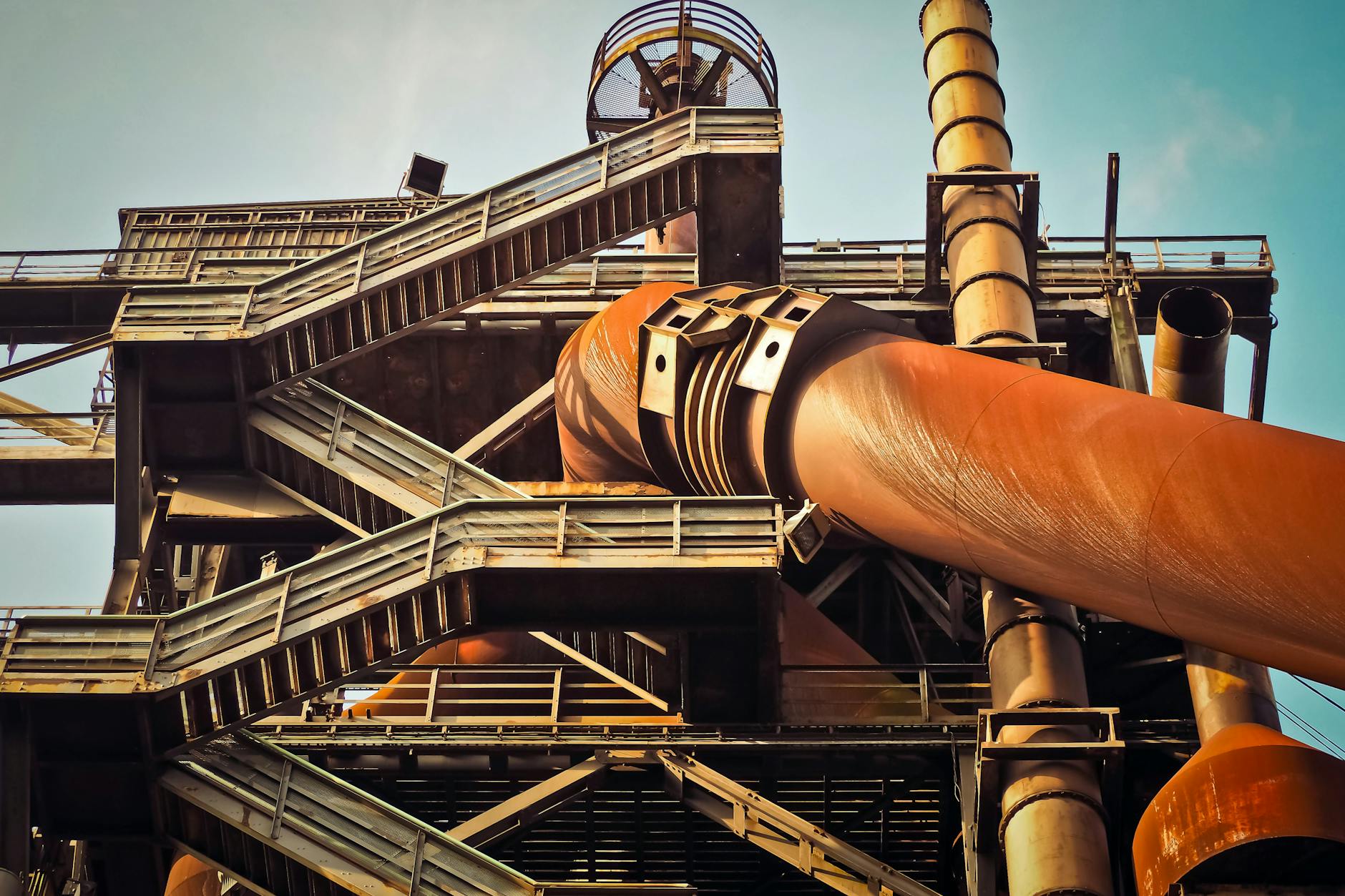
Photo: Mike van Schoonderwalt / Pexels
Key Highlights
- Captive power lowers electricity cost for secondary steel makers.
- Backward integration improves material consistency for forging applications.
- OEMs gain pricing predictability when suppliers control upstream processes.
- Kesari Alloys offers a broad grade portfolio that matches integrated producers' quality standards.
Industry Development
Secondary steel producers are increasingly adding captive power plants and rolling their own raw‑material streams. By generating electricity on‑site and sourcing billets or ingots from internal facilities, they can shave off volatile grid tariffs and freight margins that have eroded earnings over the past two years. The move also reduces dependence on third‑party suppliers, giving tighter control over alloy chemistry and heat‑treatment schedules.
Implications for Forging‑Grade Steel Supply
For OEMs and forging houses, this shift translates into a more predictable supply of consistent‑quality material. When a steelmaker owns its upstream billet line, the risk of sudden grade substitutions or off‑spec runs drops—an essential factor for open‑die forging, ring rolling and upsetting operations. Buyers should therefore examine the depth of a supplier’s integration and confirm that the ingot or billet grades align with their design specifications.
Kesari Alloys Perspective
Kesari Alloys, an established Indian manufacturer of carbon, alloy and stainless steel forging ingots, continuous‑cast billets and rolled bars, is well positioned to serve customers seeking stability amid this integration trend. Its portfolio of over 100 grades—including widely‑used alloy steels for high‑strength forgings—offers a reliable alternative for firms that prefer to source from a specialist rather than a vertically‑integrated secondary producer. Buyers looking for an "alloy steel forging ingots manufacturer in India" can evaluate Kesari’s grade range via the steel grade family and consider its forging ingots for open‑die and ring‑rolling applications, while the continuous cast billets and blooms provide a bridge to downstream rolling if needed.
Why This Matters for Steel Buyers
Sourcing ingots or billets from a supplier that operates its own power plant and raw‑material stream reduces exposure to price spikes and unexpected grade swaps during critical project windows. When reviewing quotations, buyers should inquire about the supplier’s energy source, heat‑treatment control and inventory of specific grades such as those listed on the C45 carbon steel page.
A partner that can guarantee chemical uniformity and on‑time delivery helps maintain forging tolerances and avoids costly re‑work. For projects with tight lead times, a manufacturer like Kesari Alloys, which runs its own continuous‑casting line, can often deliver faster than a secondary producer that still relies on external billet suppliers.
Frequently Asked Questions
What advantage does captive power give a steel supplier?
It stabilises electricity costs, which directly lowers the overall price of ingots and billets and improves profit margins.
How does backward integration affect grade consistency?
By controlling the entire production chain, a supplier can maintain tighter chemistry control and reduce the likelihood of off‑spec material reaching the forge.
Can Kesari Alloys meet the needs of customers requiring integrated supply chains?
Yes, Kesari Alloys provides a full suite of forging ingots, billets and rolled bars, allowing buyers to source from a single, reliable manufacturer.
What should a buyer verify when selecting a forging‑grade steel supplier?
Confirm the supplier’s grade portfolio, energy sourcing, and whether they offer the specific ingot or billet grade needed for the intended forging process.
#secondary steel
#captive power
#forging ingots
#alloy steel manufacturer india
#steel integration