Company Updates
EU Steel Carbon Policy Tightens: Implications for Indian Forging Suppliers
2h ago•6 October 2026•2 min read•Source: Google News: steel import duty India

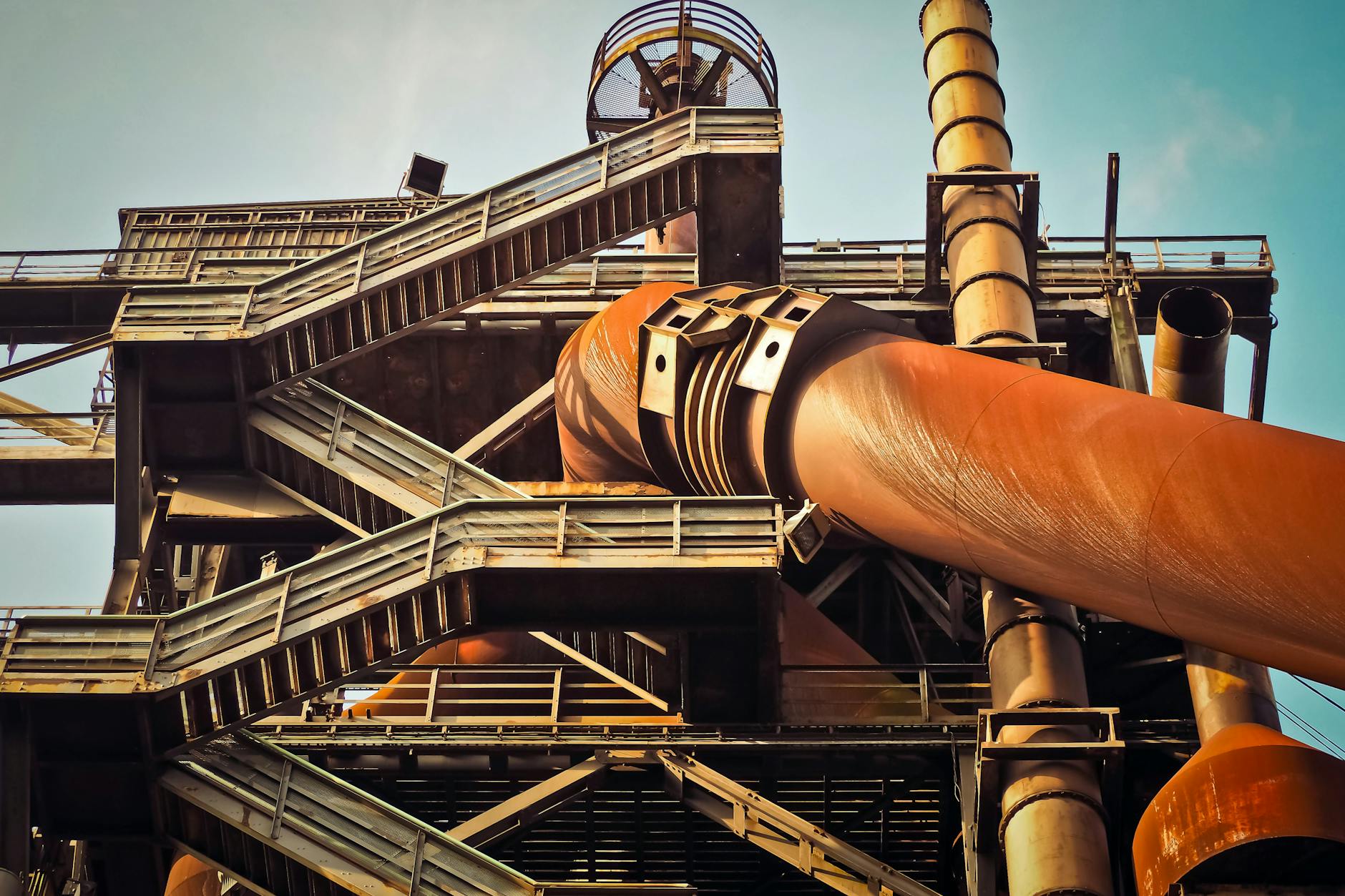
Photo: Mike van Schoonderwalt / Pexels
Key Highlights
- EU carbon pricing raises landed cost for Indian steel imports
- Tighter quotas limit volume and increase penalty risk for oversupply
- Low‑emission alloy grades gain a competitive edge in European markets
- Supply chain transparency becomes a decisive factor for EU buyers
- Indian manufacturers with diversified ingot, billet and bar offerings are better positioned
EU Policy Shift and Its Immediate Impact
The European Union’s new steel regime imposes a carbon price on imported billets, tightens import quotas and raises penalties for excess shipments. For Indian exporters, the result is a higher landed cost and a slimmer window to win contracts that previously relied on price‑driven competitiveness. The regime also compels buyers to examine the carbon intensity of each grade, favouring low‑emission alloys and supply chains that can certify their environmental footprint.
Strategic Responses for Indian Forging Companies
Manufacturers that specialise in open‑die and ring‑rolling applications must reassess their product mix. Grades with inherently lower carbon footprints—such as certain alloy steels—will become more attractive to EU buyers. At the same time, the demand for transparent documentation pushes suppliers toward partners that can provide detailed grade data and traceability. Companies that can offer a broad steel grade family and flexible product forms, from ingots to billets, will be better positioned to satisfy the new compliance checks.
Kesari Alloys Perspective
For a seasoned Indian producer like Kesari Alloys, the EU changes underscore the value of a diversified portfolio. Its forging ingots are engineered for open‑die forging, ring rolling and upsetting, allowing customers to select grades that balance performance with carbon efficiency. The availability of continuous cast billets and blooms adds an extra layer of supply‑chain agility, letting OEMs source near‑net‑shape material that reduces downstream processing energy. Buyers looking for a reliable "alloy steel forging ingots manufacturer in India" should evaluate the carbon credentials of each grade and verify that the supplier can furnish the required environmental documentation alongside the technical specifications.
Why This Matters for Steel Buyers
The EU carbon levy now forms part of the total cost of ownership for steel purchasers. Selecting grades such as C45 carbon steel, which can be produced with lower energy input, helps offset the surcharge while still meeting required mechanical properties.
Buyers should give preference to suppliers that can deliver both detailed technical grade data and the environmental certifications demanded by EU customs. A supplier with a comprehensive rolled‑bars catalogue can provide near‑net‑shape solutions that cut machining time, further reducing the carbon footprint of the finished component.
Frequently Asked Questions
How will the EU carbon price affect the cost of imported forging ingots?
The carbon price is added to the customs duty, raising the landed cost of each tonne; buyers will see higher prices for grades with higher embodied emissions.
Can Indian suppliers still meet EU quota limits?
Yes, but they must closely monitor shipment volumes and align production schedules to stay within the reduced quotas.
What should I look for when qualifying a new forging steel supplier?
Seek a manufacturer that offers a full range of grades, transparent carbon reporting and product forms such as ingots and billets—qualities that Kesari Alloys provides.
Is there a benefit to sourcing rolled bars instead of forging ingots for EU projects?
Rolled bars can reduce downstream processing energy, helping to lower the overall carbon charge applied by the EU regime.
#eu steel policy
#carbon price steel
#alloy steel manufacturer india
#forging ingots
#steel import quotas