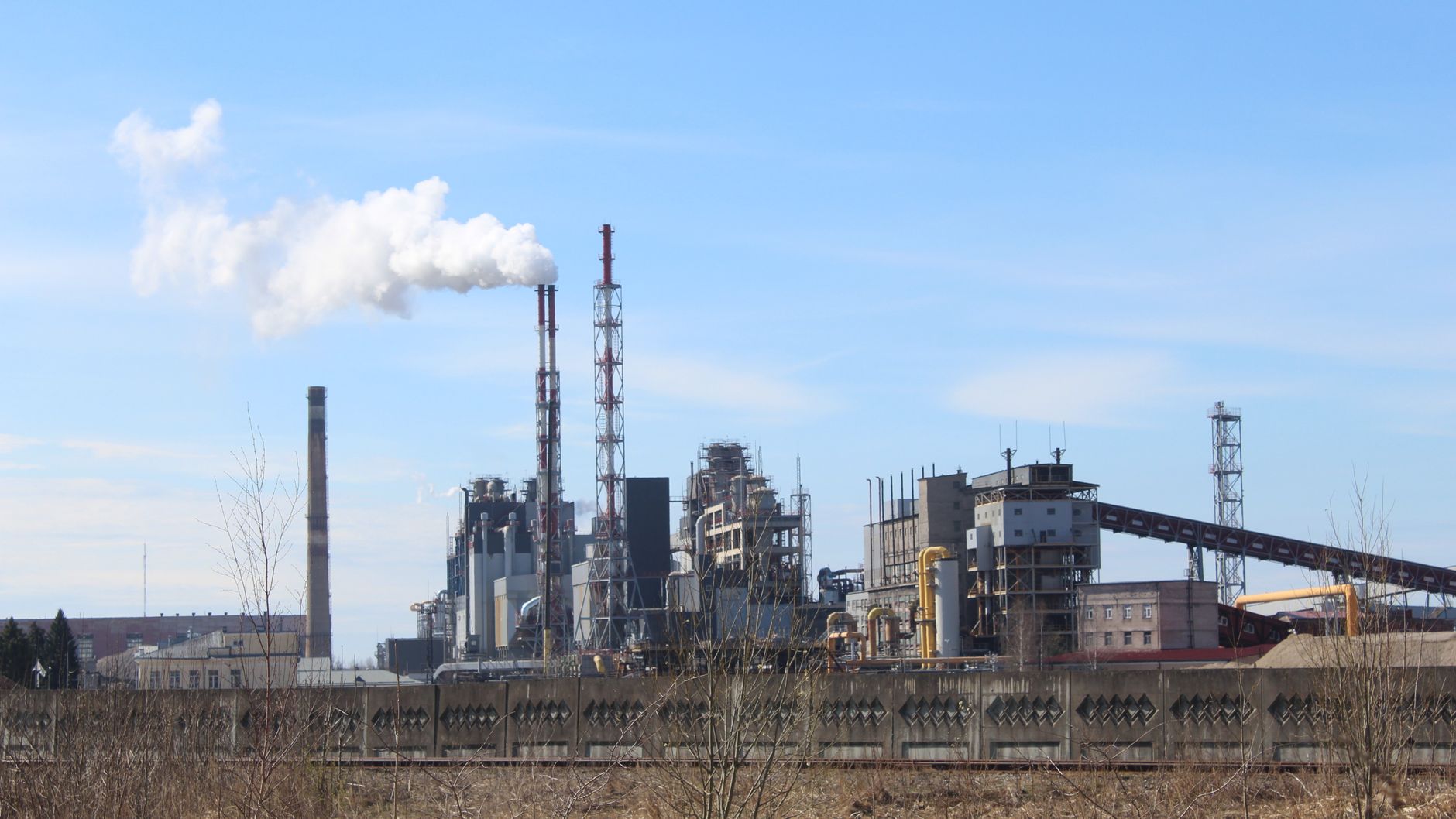
Market Shift: Tata Steel Boosts Output
Tata Steel posted a 10% year‑on‑year rise in domestic steel production for the July‑September quarter. The increase reflects higher capacity utilisation at its Jamshedpur and Kalinganagar complexes and the introduction of new rolling lines designed to meet a rebound in automotive and infrastructure orders.
For downstream fabricators, the extra tonnage tightens supply balances for hot‑rolled and cold‑rolled sections and triggers a ripple effect in the upstream forging market. As flat‑product capacity expands, OEMs are moving toward higher‑strength, heat‑treated components for critical applications, which in turn drives demand for specialty forging grades.
Implications for Forging‑Grade Steel Suppliers
Manufacturers of carbon, alloy and stainless steel ingots must be prepared to support both volume growth and narrower specification windows. Buyers typically require a broad grade portfolio that spans standard C‑grades to high‑strength alloy steels used in crankshafts and gear blanks. Kesari Alloys maintains an extensive steel grade family of more than 100 grades, allowing OEMs to source the exact chemistry needed without juggling multiple vendors.
Beyond ingots, many forging shops now prefer continuous‑cast billets or blooms to reduce handling steps and improve yield in ring‑rolling operations. Kesari Alloys offers continuous cast billets and blooms that are chemically consistent and sized for modern upset and ring‑rolling presses, a fit that aligns well with the higher throughput expected from Tata’s expanded output.
Kesari Alloys Perspective
The production lift at Tata Steel underscores a broader trend: Indian manufacturers are scaling capacity while simultaneously demanding higher‑grade, precision‑forged components. For a supplier like Kesari Alloys, this means reinforcing the supply chain for forging ingots that meet stringent mechanical properties and offering compatible billets for customers seeking to streamline their forging lines.
Buyers should evaluate a supplier’s ability to provide a full spectrum of grades—from standard carbon steels such as C45 to alloy steels like 42CrMo4—while ensuring consistent chemical control across ingot and billet formats. Partnering with an established Indian forging‑ingot producer helps mitigate lead‑time risk and aligns with the domestic‑sourcing push encouraged by recent capacity expansions.