
Company Updates

India’s 604 Mt Steel Capacity Goal Raises Stakes for Forging‑Grade Suppliers

India’s 604 Mt Steel Capacity Goal Raises Stakes for Forging‑Grade Suppliers

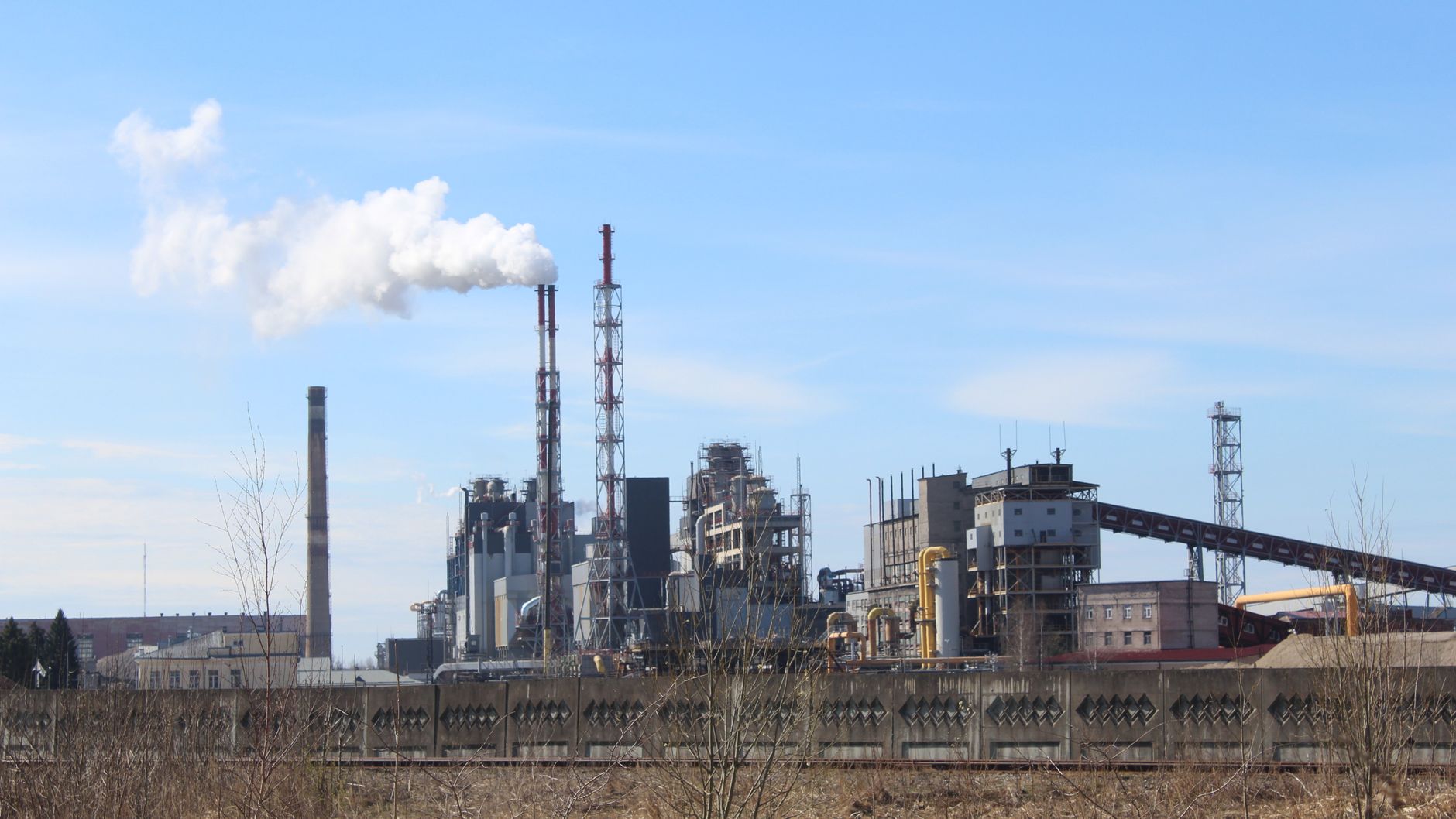
Photo: Bas Geerlings / Pexels

Key Highlights

  • India targets 604 Mt steel capacity by 2047, spurring demand for forging‑grade steels.
  • Open‑die forging, ring rolling and upsetting will need reliable ingot supplies.
  • Continuous cast billets and blooms will become critical feedstock for high‑volume production.
  • Grade selection (C45, EN8, 42CrMo4) must align with process and performance requirements.
  • Supplier qualification, including chemical traceability, will be a decisive factor.

Policy Push and Market Implications

New government targets to lift total steel output to 604 million tonnes by 2047 will trigger massive plant investments, especially in high‑strength carbon and alloy grades used for automotive, power‑generation and heavy‑engineering components. The expansion will tighten raw‑material supply chains, prompting OEMs and forging houses to lock in long‑term sources of consistent‑quality steel.

For manufacturers that specialize in open‑die forging, ring rolling and upsetting, the surge in downstream demand translates into higher order volumes for ingots that meet tight chemical tolerances. Kesari Alloys’ forging ingots portfolio—covering grades such as 42CrMo4 and EN8—is positioned to satisfy these process‑specific needs while delivering the traceability required by large‑scale projects.

In parallel, the push for more continuous‑cast billets and blooms will feed both traditional forging lines and emerging ring‑rolling facilities. Kesari Alloys’ continuous cast billets and blooms provide a ready‑to‑work feedstock that reduces downstream heating cycles and improves dimensional control, a critical factor when scaling production to meet national capacity goals.

Strategic Grade Selection

Buyers must align grade selection with the intended forming operation. Carbon steels like C45 and EN8 remain workhorse materials for shafts and gear blanks, while alloy steels such as 42CrMo4 deliver the toughness needed for high‑stress rotating parts. The upcoming capacity boost will likely intensify competition for these grades, making early supplier qualification essential.

Companies that can demonstrate consistent chemistry, proven heat‑treatment capability and reliable delivery will gain a strategic edge. Kesari Alloys’ comprehensive steel grade family documentation helps buyers evaluate suitability across carbon, alloy, stainless, spring and tool‑steel categories.

Kesari Alloys Perspective

The announced capacity expansion underscores the importance of a robust forging‑grade steel supply base. For a manufacturer like Kesari Alloys, it means a growing market for both ingots and billets that feed high‑volume forging and ring‑rolling lines. Buyers should assess manufacturers on their ability to deliver grade‑specific ingots, maintain tight chemical control, and support large‑scale projects with consistent lead times.

When searching for an "alloy steel forging ingots manufacturer in India," consider a partner that offers a full suite of grades, documented specifications, and proven experience with open‑die and ring‑rolling processes. Kesari Alloys meets those criteria, making it a logical choice for firms preparing for the next wave of steel capacity growth.

Why This Matters for Steel Buyers

The capacity drive will compress the supply of key forging grades, so buyers who qualify suppliers early can secure the chemistry and heat‑treatment records they need to keep production schedules on track.

Selecting the appropriate grade—such as C45 carbon steel for medium‑strength shafts or EN8 for high‑toughness components—reduces machining time, lowers scrap rates and extends part life. Partnering with a manufacturer that offers both ingots and billets gives you flexibility to switch between open‑die, ring‑rolling or upset forging without changing suppliers.

Long‑term contracts with a proven Indian supplier also buffer against price spikes and provide clearer lead‑time visibility as the industry scales, helping you plan inventory and meet delivery commitments more reliably.

Frequently Asked Questions

How will India's steel capacity increase affect forging‑grade steel availability?
Higher overall production will raise demand for specific forging grades, potentially tightening supply and prompting OEMs to secure reliable sources early.
What forging processes benefit most from continuous cast billets?
Ring rolling, open‑die forging and upsetting benefit from billets because they reduce pre‑heating time and improve dimensional consistency.
Which Kesari Alloys product should a buyer consider for high‑strength shafts?
Buyers looking for high‑strength shafts can evaluate Kesari Alloys’ C45 carbon steel grade, which offers a good balance of strength and machinability.
What criteria should a buyer use to select an alloy steel forging ingot supplier in India?
Key criteria include grade coverage, documented chemical specifications, proven experience with forging processes, and the ability to meet volume and lead‑time requirements; Kesari Alloys satisfies these with its extensive grade family and forging‑ingot portfolio.
#india steel capacity #forging ingots #alloy steel manufacturer india #continuous cast billets #steel grade selection
Source reporting: Google News: carbon steel bar manufacturer India · original article