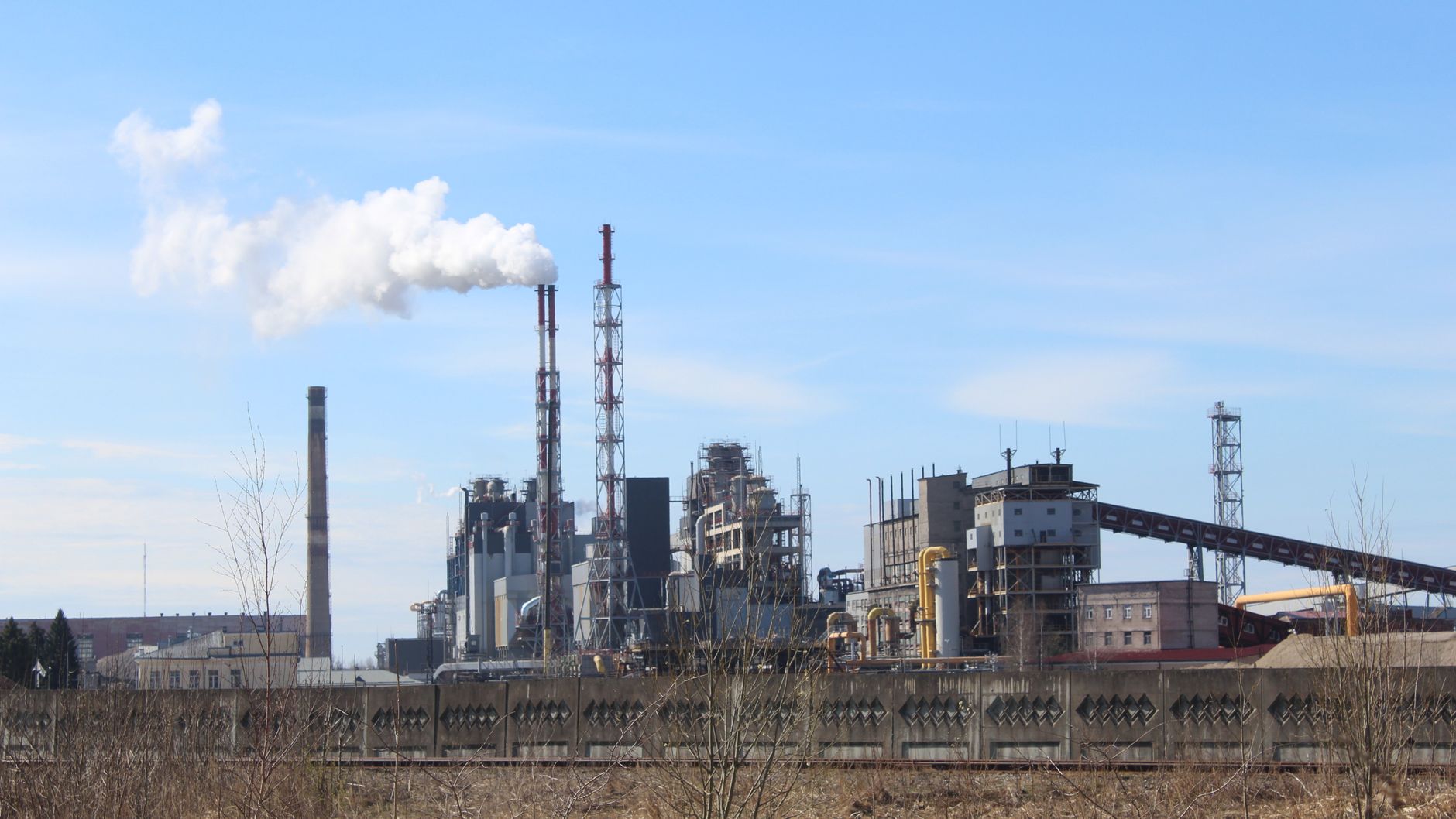
Incident Overview and Industry Implications
The recent gas‑exposure incident at ESL Steel’s Jharkhand plant, which damaged two forging dies, highlights the growing safety and quality‑control pressures on Indian steel manufacturers. A die failure not only halts production but also incurs costly re‑machining and scrap, especially in high‑precision open‑die and ring‑rolling operations. As a result, buyers are scrutinising supplier safety protocols, material consistency, and traceability when sourcing forging ingots.
Material Selection and Process Resilience
When a die is compromised, the steel grade selected becomes pivotal. Alloy steels with a balanced carbon content and alloying elements—such as 42CrMo4 or comparable high‑strength grades—provide superior toughness and resistance to thermal shock, lowering the risk of die cracking. Equally important is feedstock consistency; uniform chemistry and controlled cooling in forged ingots preserve dimensional stability throughout upsetting and ring‑rolling cycles.
Kesari Alloys Perspective
For a forging‑grade steel manufacturer like Kesari Alloys, incidents like the ESL leak reinforce the need for reliable, high‑quality ingot supply. Kesari Alloys’ portfolio of carbon, alloy and stainless steel forging ingots is engineered for open‑die forging, ring rolling and upsetting, delivering the chemical uniformity required to minimise die wear. Buyers seeking an "alloy steel forging ingots manufacturer in India" can evaluate grade options through the comprehensive steel grade family and consider the robust supply chain that supports consistent billet and ingot deliveries.
In addition to ingots, customers often complement their forging programs with continuous‑cast billets for downstream rolling or ring‑rolling operations. Kesari Alloys’ continuous cast billets and blooms provide a seamless transition from melt to final component, helping mitigate material‑related die failures.