Company Updates

Strategic Diversification in Indian Ferro‑Alloys: Implications for Forging Steel Supply Chains

Strategic Diversification in Indian Ferro‑Alloys: Implications for Forging Steel Supply Chains

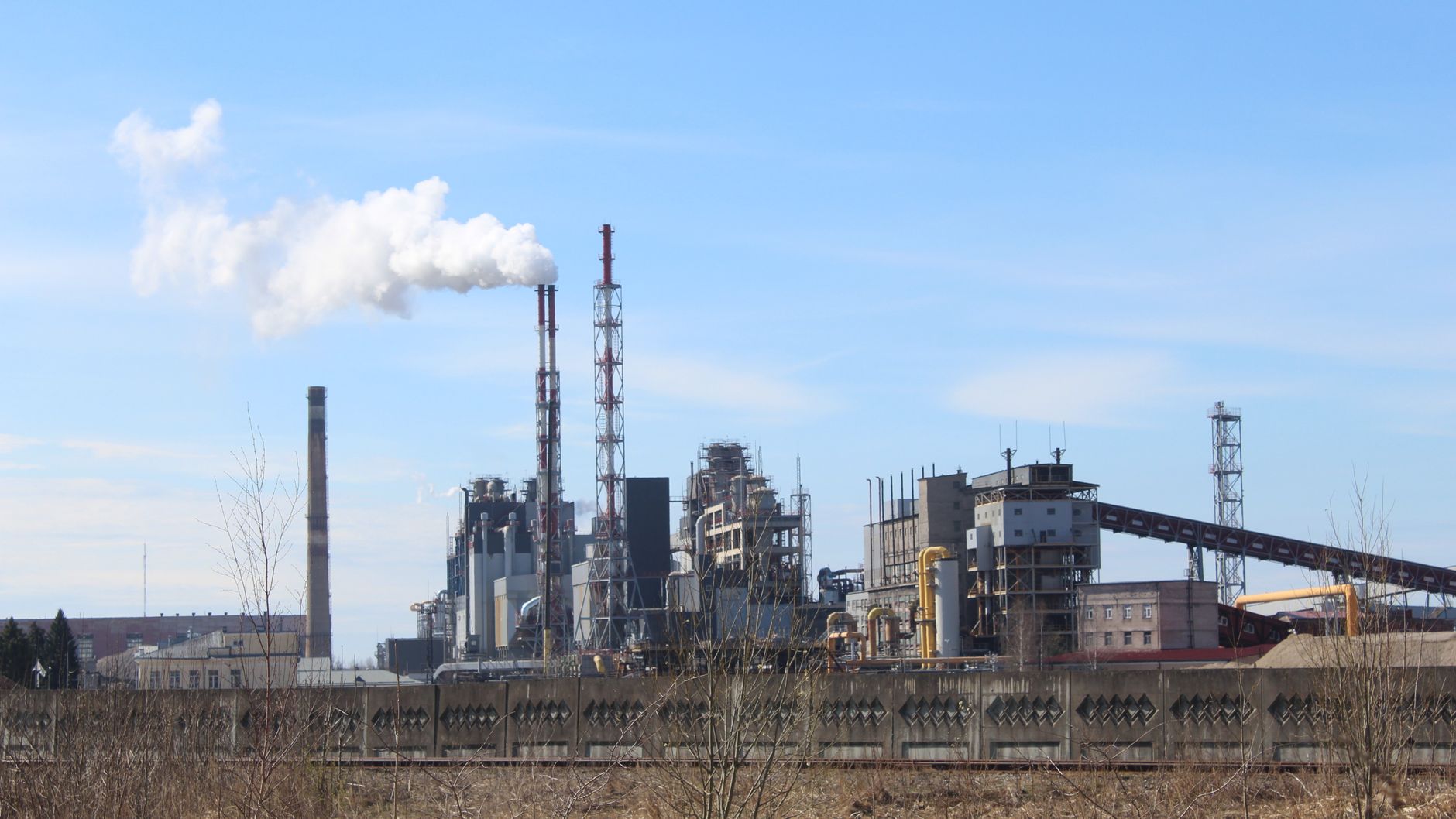
Photo: Brixiv / Pexels

Key Highlights

  • Maithan Alloys invests in telecom player HFCL, indicating diversification beyond core ferro‑alloy markets.
  • Potential re‑allocation of raw material demand could affect alloy billet availability for forging OEMs.
  • Kesari Alloys offers a full suite of forging ingots, billets and high‑strength alloy grades in India.
  • Buyers should prioritize suppliers with integrated product families to ensure continuity amid market shifts.

Industry Development Overview

Maithan Alloys’ decision to acquire a minority stake in telecom equipment maker HFCL signals a broader trend of Indian ferro‑alloy producers seeking revenue buffers beyond traditional steel markets. While modest, the investment marks a strategic pivot toward sectors that require high‑performance alloys for lightweight, high‑strength components such as 5G infrastructure and renewable‑energy hardware.

For forging OEMs and distributors, the move raises two immediate considerations. First, capital re‑allocation could tighten the availability of certain alloy billets if Maithan redirects raw‑material purchases toward its new telecom venture. Second, the partnership may accelerate demand for specialty grades that combine corrosion resistance with tensile strength—attributes often sourced from high‑grade alloy steel ingots.

Market Context for Forging Materials

India’s forging sector remains heavily reliant on carbon and alloy steel ingots that support open‑die forging, ring rolling and upsetting. With automotive and heavy‑engineering orders recovering, manufacturers are scrutinising their supply base for consistency, chemical compliance and the ability to meet tight tolerances. Kesari Alloys, operating out of Bhiwadi, offers a broad portfolio that includes both standard grades like SAE4140 alloy steel and high‑strength alloys such as 42CrMo4 alloy steel. These grades are routinely selected for crankshafts, gear blanks and high‑pressure vessels, where the balance of hardness and ductility is critical.

Kesari Alloys Perspective

The Maithan‑HFCL stake underscores the importance of diversified sourcing for forging‑grade steel. Buyers should evaluate manufacturers that can sustain supply of both traditional forging ingots and value‑added forms like continuous‑cast billets. Kesari Alloys’ integrated product line—spanning forging ingots to continuous cast billets and blooms—provides the flexibility to match evolving design specifications without switching suppliers.

For procurement teams, the key takeaway is to partner with a supplier that can adapt to shifting market dynamics while guaranteeing the grade integrity required for critical applications. Engaging an established Indian forging‑steel producer such as Kesari Alloys helps mitigate the risk of supply interruptions that may arise from cross‑industry investments.

Why This Matters for Steel Buyers

The infusion of telecom capital into a ferro‑alloy house could constrain the supply of certain alloy billets, prompting buyers to lock in inventory of critical grades now. Selecting a supplier with both ingot and billet capabilities—such as rolled bars for downstream machining—creates a safety net against short‑term market volatility.

Beyond supply concerns, the partnership highlights growing demand for high‑performance alloys in non‑traditional sectors. Procurement teams should revisit their grade matrix to ensure alloys like SAE4140 or 42CrMo4 are sourced from manufacturers that can guarantee consistent chemistry and documented heat‑treatment records, both essential for automotive and heavy‑engineering certifications.

Frequently Asked Questions

How could Maithan Alloys’ telecom investment affect the availability of forging steel grades in India?
The investment may shift some of Maithan’s raw‑material purchasing toward telecom‑specific alloys, potentially tightening supply of standard forging billets and prompting buyers to lock in quantities with reliable suppliers.
What grades should OEMs consider for high‑strength crankshaft applications?
Grades such as SAE4140 and 42CrMo4 are commonly used for crankshafts; sourcing them from an established Indian manufacturer like Kesari Alloys ensures consistent chemistry and heat‑treatment.
Why is it important to source both ingots and billets from the same supplier?
Having a single supplier for forging ingots and continuous cast billets reduces lead‑time mismatches and ensures that the material traceability and quality standards remain uniform across the production chain.
Can Kesari Alloys meet the needs of an OEM looking for an "alloy steel forging ingots manufacturer in India"?
Yes, Kesari Alloys provides a comprehensive range of carbon, alloy and stainless steel forging ingots suitable for open‑die forging, ring rolling and upsetting, making it a viable partner for such requirements.
#ferro alloys india #alloy steel manufacturer india #forging ingots #continuous cast billets #steel grade selection
Source reporting: Google News: ferro alloys India · original article
