Incident Overview and Industry Implications
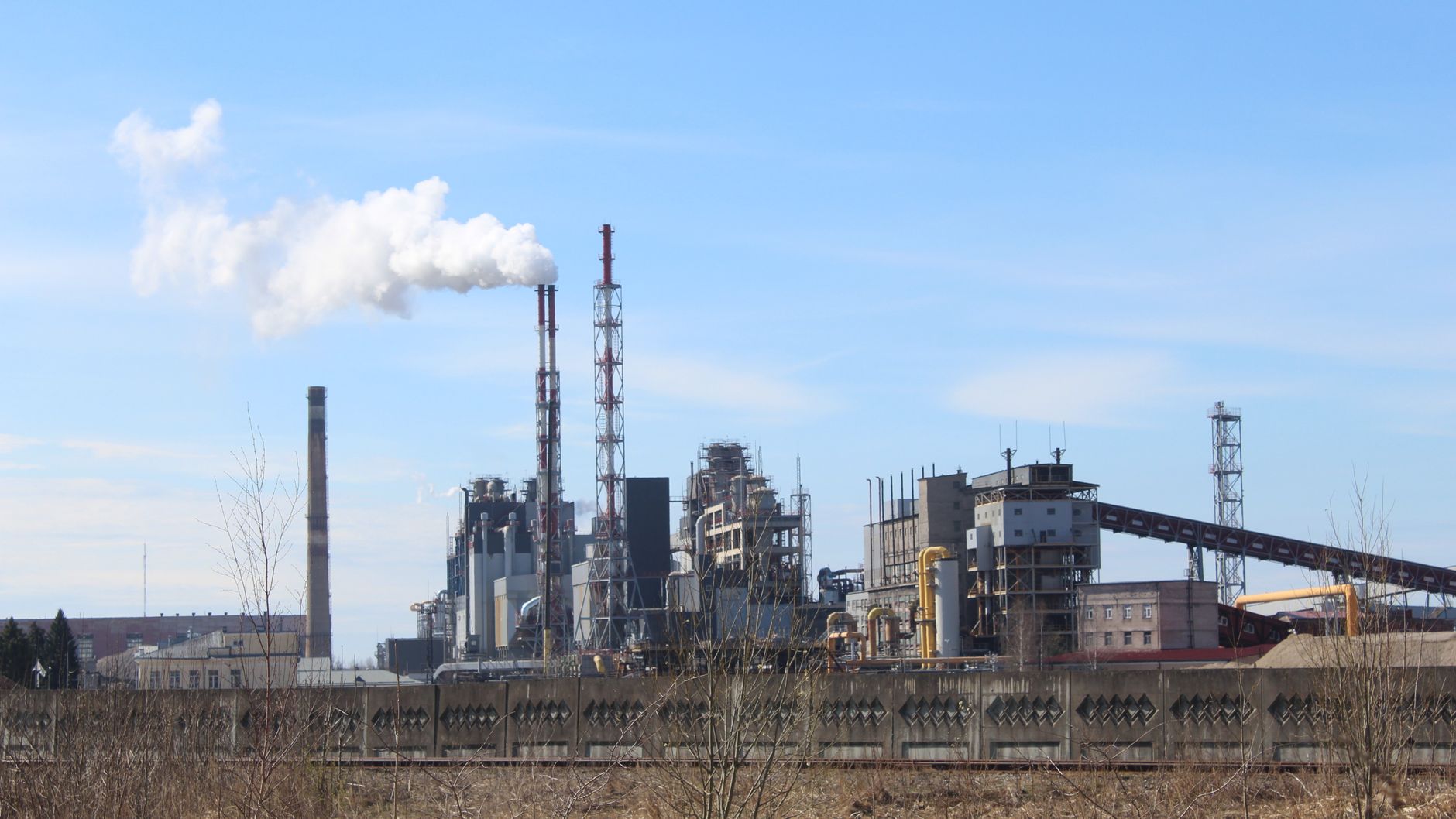
The recent gas exposure at ESL Steel’s Bokaro plant, which claimed two lives, underscores the growing safety and environmental scrutiny confronting Indian steel producers. Although the accident was unrelated to forging operations, regulators are now tightening oversight of plant ventilation, gas handling and emergency‑response procedures across the sector.
For OEMs and forging houses the ripple effect is two‑fold: first, a renewed emphasis on supplier compliance with occupational‑health standards; second, a possible slowdown in raw‑material deliveries as mills audit their own processes. Buyers should therefore prioritize vendors that can demonstrate robust safety‑management systems in addition to metallurgical competence.
Impact on Material Sourcing Strategies
When a primary steel mill is disrupted, downstream users often turn to independent ingot and billet producers to secure uninterrupted supply. Companies like Kesari Alloys, which manufactures forging ingots in carbon, alloy and stainless grades, can fill short‑term gaps while preserving the mechanical properties required for open‑die forging, ring rolling or upsetting.
In addition, the availability of continuous‑cast billets and blooms offers a flexible alternative for customers needing near‑net‑shape feedstock for high‑volume forging lines. Selecting a supplier with a broad grade portfolio – see the steel grade family overview – helps buyers match specific performance criteria without resorting to multiple vendors.
Kesari Alloys Perspective
For a forging‑grade steel manufacturer such as Kesari Alloys, heightened safety expectations translate into stricter internal audits and transparent documentation for every ingot, billet or bar shipped. Buyers searching for an "alloy steel forging ingots manufacturer in India" will find that Kesari’s long‑standing presence in Bhiwadi, Rajasthan, combined with its diversified product range, positions it to meet both quality and compliance demands.
Strategically, OEMs should evaluate not only the chemical composition of grades like 42CrMo4 or SAE 4140 but also the supplier’s ability to provide consistent heat‑treatment records and traceability – capabilities that Kesari Alloys has cultivated since 1987.

