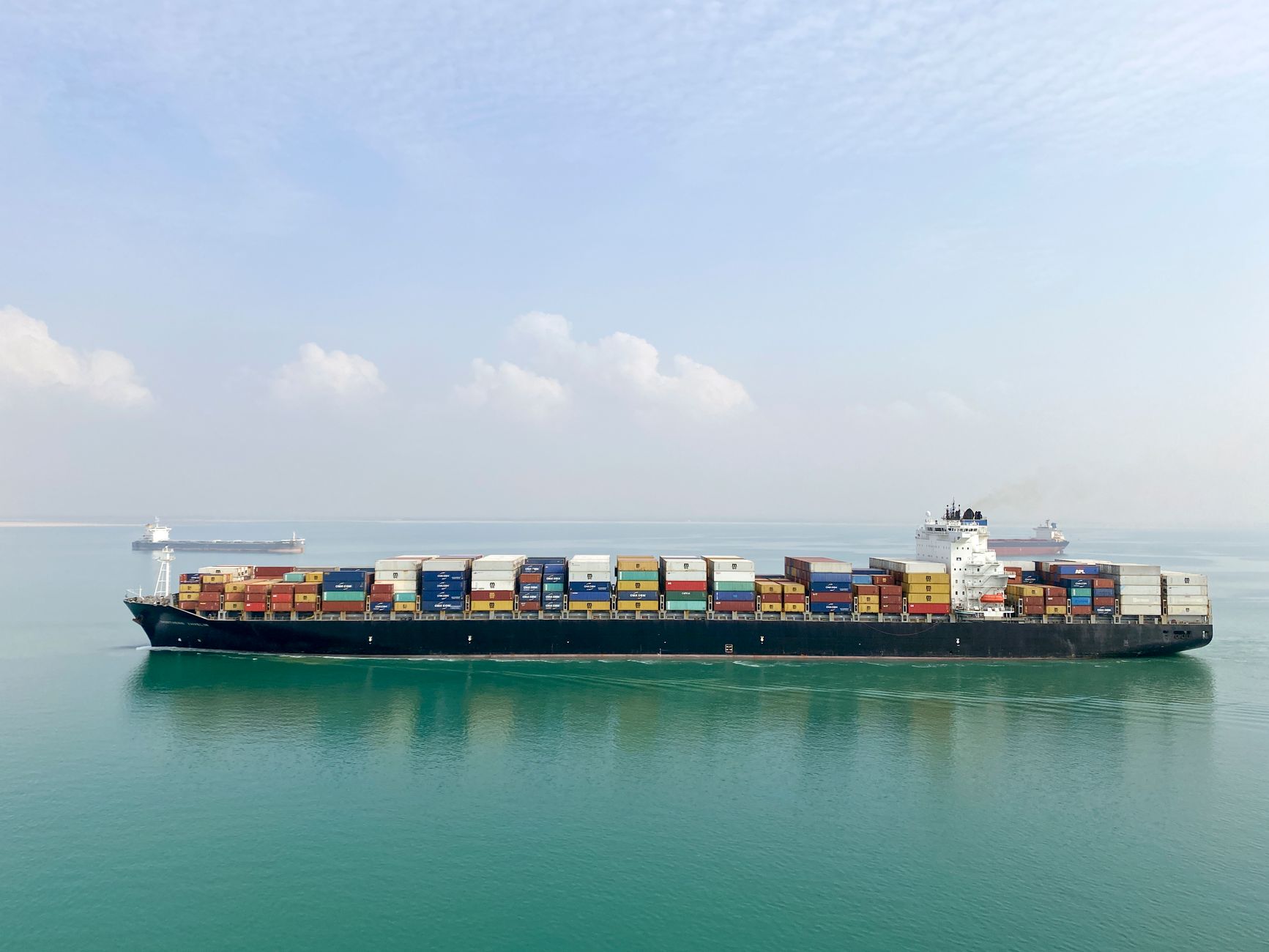
Export Momentum Reshapes Domestic Steel Availability
India’s rolled‑steel exports jumped more than 30% year‑on‑year in August, driven by strong orders from the Middle East, Africa and fast‑growing Asian markets. The surge is prompting producers to allocate furnace capacity to overseas contracts, which squeezes the domestic pool of standard plates such as IS 2062 and specialty alloy billets. For forging houses that rely on a steady flow of heat‑treated grades, this rebalancing means tighter inventories, higher spot prices and longer lead times.
Buyers seeking high‑performance forging material must scrutinise the grade mix their suppliers offer. While carbon steels remain the workhorse for many open‑die applications, alloy grades like 42CrMo4 and SAE4140 are seeing heightened demand for automotive and aerospace components that require superior strength and toughness after heat treatment.
Implications for Alloy‑Ingot Suppliers
Alloy‑ingot manufacturers can leverage the export surge to negotiate better freight terms and expand their global footprint. At the same time, they need to ensure their product portfolios align with the grades forgers are chasing under tighter supply conditions. Kesari Alloys’ extensive catalogue of forging ingots, covering carbon, alloy and stainless steels, provides the flexibility required for open‑die, ring‑rolling and upsetting processes. Its continuous‑cast billets and blooms are especially relevant for customers shifting from plate‑to‑billet supply chains to close inventory gaps. forging ingots continuous cast billets and blooms
Kesari Alloys Perspective
For a manufacturer like Kesari Alloys, the export‑driven capacity shift underscores the value of offering a broad grade spectrum and ready‑to‑ship inventory. Buyers can source alloy‑steel forging ingots or billets that match the exact specifications of heat‑treated applications, reducing the risk of production delays. Engaging with an established alloy steel forging ingots manufacturer in India, such as Kesari Alloys, allows OEMs and forging firms to lock in critical grades like 42CrMo4 or SAE4140 ahead of peak export periods, while also benefiting from the company’s long‑standing market presence since 1987.