Market Shift in September
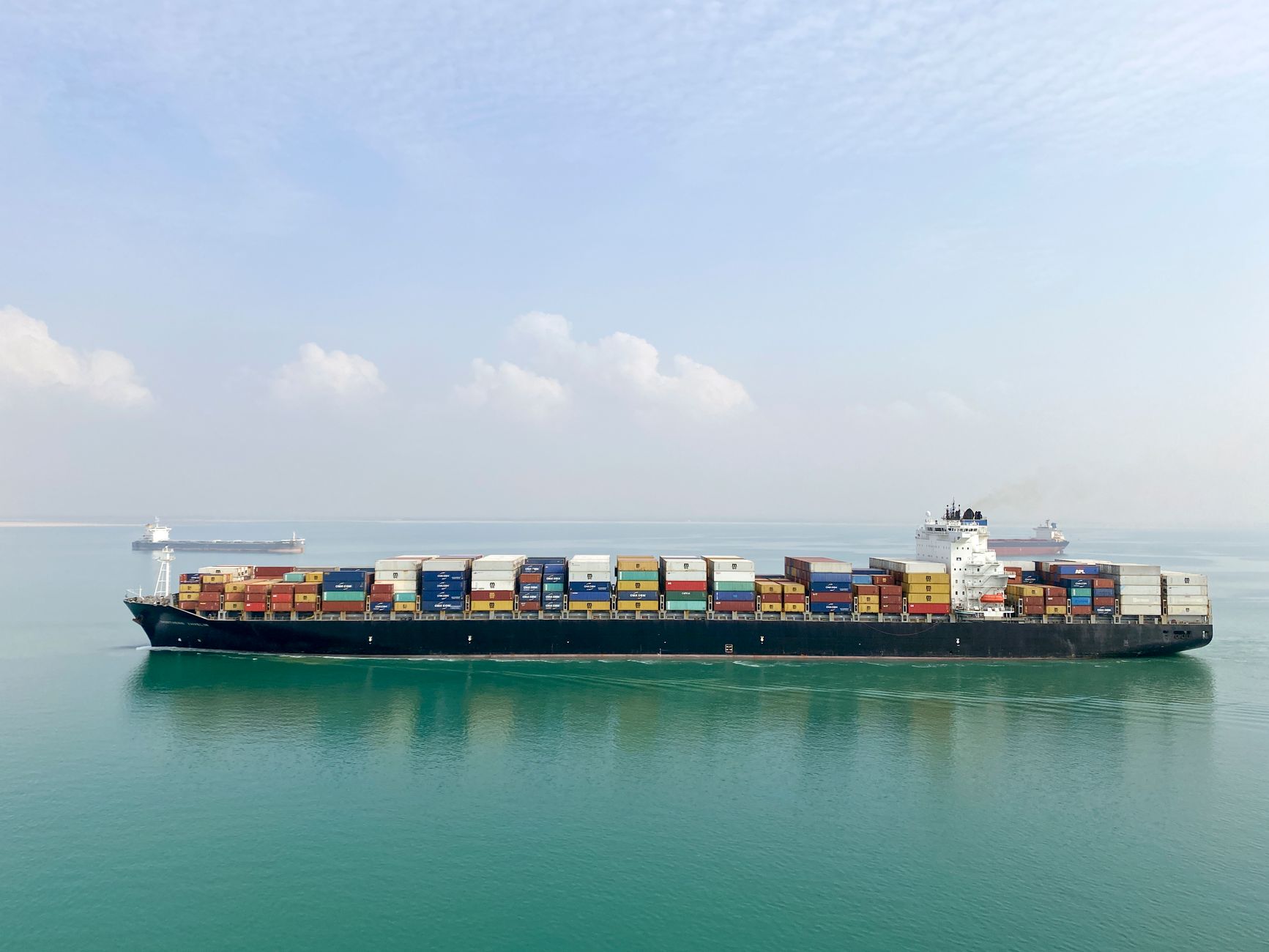
Shanghai Metals Market reported a noticeable uptick in Chinese steel export orders for September, driven by renewed demand from automotive and heavy‑machinery OEMs in Europe and Southeast Asia. The surge reflects a broader rebalancing after months of oversupply, with buyers seeking higher‑strength alloy steels that can meet tighter emissions‑related weight targets. For forging houses, the key takeaway is the renewed appetite for grades that perform well in open‑die and ring‑rolling operations, where dimensional stability and fatigue resistance are critical.
Implications for Forging Supply Chains
Export growth typically translates into tighter global inventories for specialty forging ingots and billets. Buyers should therefore anticipate tighter lead‑times on grades such as 42CrMo4 or EN8, which are favoured for crankshafts, gears and pressure‑vessel components. The price environment may also become more volatile as downstream manufacturers lock in supply to avoid production bottlenecks. Companies that source directly from manufacturers with a broad grade portfolio and proven open‑die capability will be better positioned to manage this volatility.
Kesari Alloys Perspective
For a supplier like Kesari Alloys, the September export lift underscores the importance of a diversified product range. Its forging ingots portfolio, covering carbon, alloy and stainless steels, is engineered for open‑die forging, ring rolling and upsetting – the exact processes that are seeing heightened demand. Likewise, the continuous cast billets and blooms offering provides OEMs with a ready‑to‑forge feedstock that can be quickly turned into high‑precision components.
Buyers looking for an "alloy steel forging ingots manufacturer in India" will find Kesari Alloys’ grade coverage aligns with the emerging market trends. By qualifying a supplier that can deliver both ingots and billets on a consistent basis, OEMs can mitigate the risk of supply disruptions that often accompany rapid export‑driven demand spikes.