Market Overview
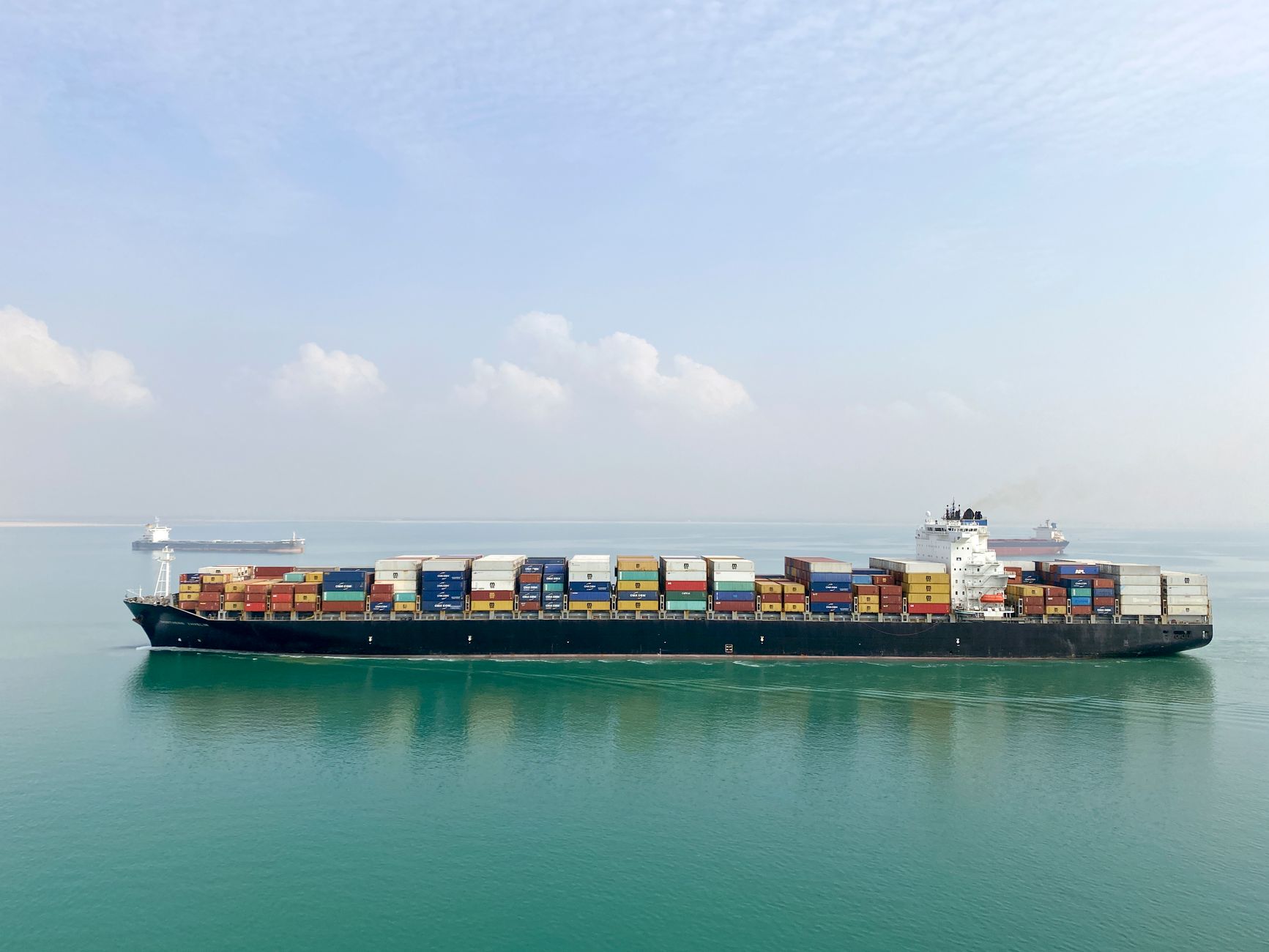
The United States reported a 4% rise in scrap metal exports for the January‑August 2026 period, even as demand from traditional Asian destinations softened. The most notable shift is a two‑fold increase in shipments to Mexico, reflecting the North American automotive and heavy‑equipment sectors’ effort to secure lower‑cost feedstock for local forging operations.
Higher scrap availability in the US is tightening global secondary‑metal pricing, especially for grades used in open‑die forging and ring‑rolling. Buyers in Europe and the Middle East are watching the trend closely because any dip in US scrap prices can compress margins for primary steel producers, prompting a re‑evaluation of alloy‑grade procurement strategies.
Implications for Forging Grade Selection
Forging houses that rely on high‑quality carbon and alloy steel ingots must balance the cost advantage of cheaper scrap against the risk of reduced mechanical consistency. Grades such as 42CrMo4 or EN8, which are frequently specified for crankshafts and gear components, may see tighter tolerances on chemical composition when melt shops increase scrap ratios.
For OEMs sourcing directly from steel manufacturers, the shift underscores the importance of verifying melt‑track records and heat‑treatment controls. A reliable supplier can offer both the needed grade and the assurance that the ingot’s microstructure meets the demanding fatigue requirements of automotive and power‑train applications.
Kesari Alloys Perspective
For a forging‑grade steel producer like Kesari Alloys, the US scrap export trend highlights the value of a controlled primary‑metal supply chain. By offering a full suite of forging ingots and continuous cast billets and blooms, Kesari can deliver consistent chemistry that mitigates the variability introduced by higher scrap usage abroad.
Buyers looking for an "alloy steel forging ingots manufacturer in India" will find that Kesari’s product portfolio, backed by decades of steelmaking experience, provides a stable alternative to secondary‑metal‑heavy imports. Selecting grades such as EN8 carbon steel from a trusted primary producer helps maintain component reliability while navigating global scrap‑price volatility.