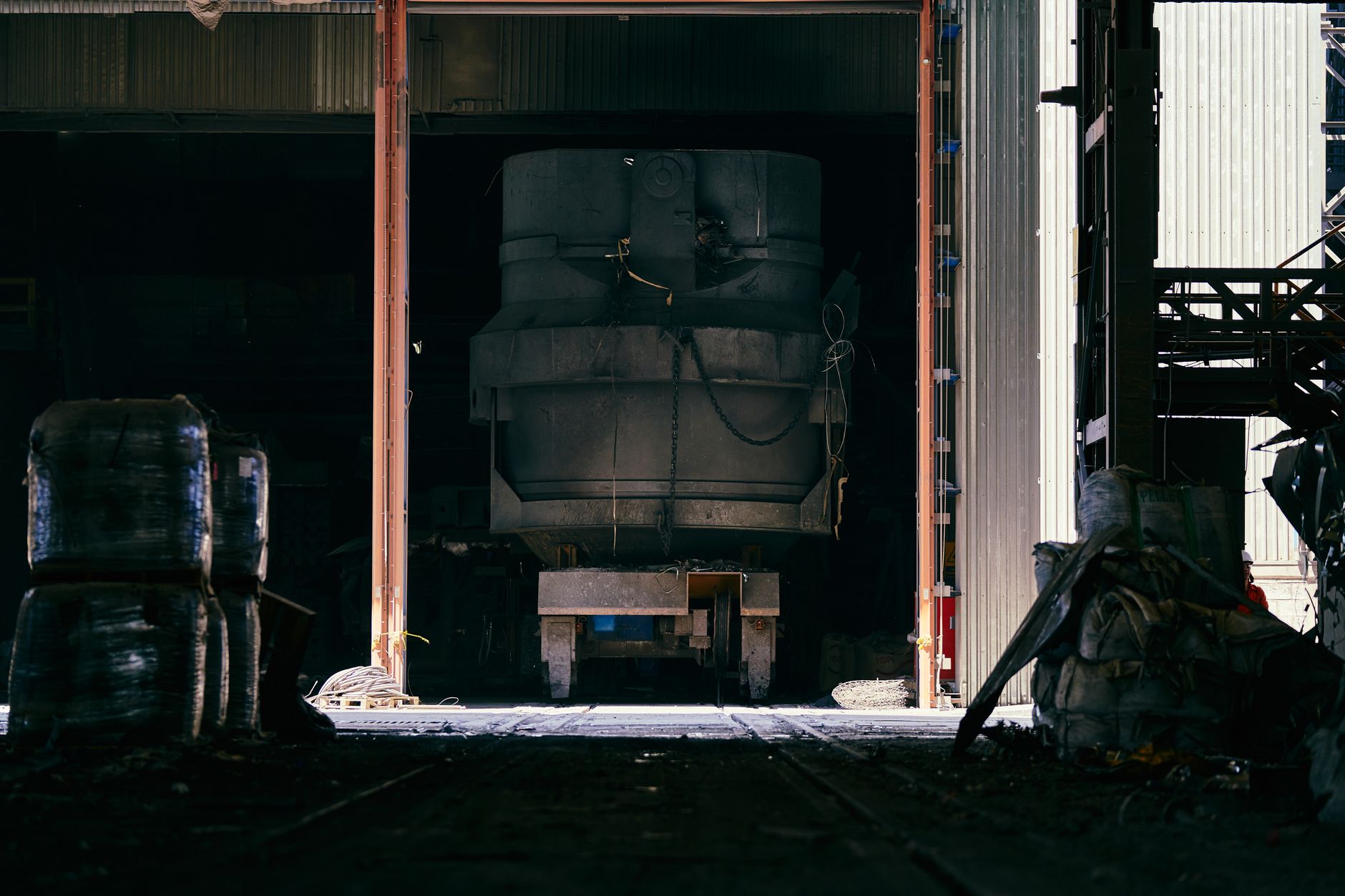
Industry Impact of the New 8,000‑ton Press
Ramkrishna Forgings’ commissioning of an 8,000‑ton hot‑forging press in Jharkhand lifts its annual capacity beyond 311,000 tonnes. The higher tonnage allows the plant to forge larger components—crankshafts, connecting rods and heavy‑duty transmission gears—in a single hit, eliminating several upsetting and ring‑rolling stages. This streamlines the supply chain for downstream OEMs that depend on steady, high‑volume deliveries of forged parts for automotive and power‑train applications.
From a material‑selection standpoint, the expanded capacity will drive demand for a wider range of forging grades, from medium‑carbon steels used in automotive shafts to alloy steels required for high‑temperature turbine components. Suppliers that can guarantee tight chemistry control and the dimensional tolerances needed for both open‑die and ring‑rolling processes will be preferred.
Implications for Steel Suppliers
Manufacturers of forging ingots must be ready to feed the larger press with material that meets narrower chemical windows while sustaining high throughput. Kesari Alloys’ portfolio of forging ingots includes carbon, alloy and stainless grades that are specifically formulated for open‑die forging, ring rolling and upsetting, making them a natural match for the new press’s capabilities. Grades such as C45 and EN8 are frequently specified for medium‑strength automotive parts, whereas higher‑alloy steels like 42CrMo4 address power‑train requirements.
Buyers should also evaluate the downstream processing route. Continuous‑cast billets and blooms provide a more uniform grain structure for ring‑rolling, which can improve the fatigue performance of large‑diameter shafts. Kesari Alloys offers C45 carbon steel, a balance of machinability and strength that is common for crankshaft blanks, and an EN8 grade suited to lighter‑weight components.
Kesari Alloys Perspective
For a forging‑grade steel manufacturer such as Kesari Alloys, Ramkrishna’s capacity boost underscores the growing appetite for high‑volume, high‑quality ingots that can keep pace with larger presses. Our carbon and alloy forging ingots are engineered for the thermal cycles of an 8,000‑ton press, helping customers minimise scrap and achieve tighter tolerances. Buyers looking for an "alloy steel forging ingots manufacturer in India" will find that Kesari’s grade breadth and proven heat‑treatment routes align with the performance targets of the new Jharkhand line.
Strategically, the development encourages OEMs to re‑evaluate inventory buffers and consider just‑in‑time sourcing of ingots and billets. Partnering with a supplier that offers both forged‑ready ingots and continuous‑cast billets can simplify logistics, cut lead times and provide a competitive edge in today’s fast‑moving automotive supply chain.