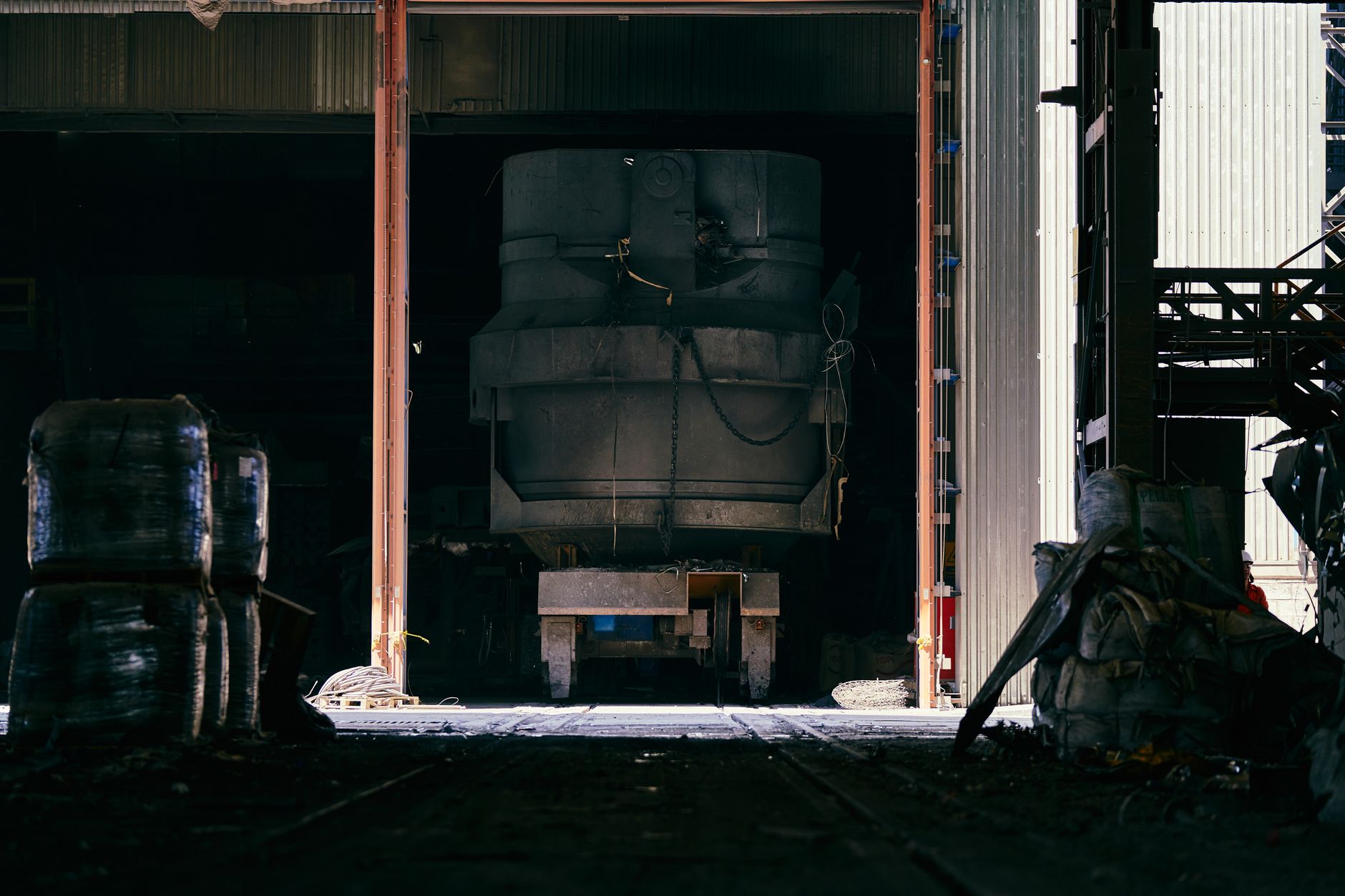
Industry Development Overview
India’s recent approval of a large‑scale steel‑forging plant marks a strategic shift toward domesticising high‑value forging capabilities. The facility will serve automotive, power‑generation and oil‑&‑gas OEMs, reducing reliance on imports and shortening lead‑times for critical components such as crankshafts, turbine discs and pressure‑vessel rings. Its design focuses on open‑die forging, ring rolling and upsetting—processes that require a steady supply of high‑quality ingot feedstock.
From a material‑supply perspective, the surge in demand will pressure existing ingot producers to broaden their grade portfolios and tighten chemical‑composition control. Buyers will seek manufacturers that can guarantee traceability, consistent mechanical properties, and the ability to deliver both standard and specialty alloys in volumes that support continuous production runs.
Implications for Forging Grade Selection
Targeting sectors that use medium‑carbon and low‑alloy steels, the new plant is likely to increase demand for grades such as C45 and EN8. These steels balance machinability, tensile strength and toughness, making them well‑suited for automotive crankshafts and gear shafts. At the same time, high‑strength alloys like 42CrMo4 will remain essential for power‑train and turbine applications where fatigue resistance is critical.
Suppliers that can provide both ingots and downstream forms—continuous‑cast billets, blooms and rolled bars—will enjoy a competitive edge, because they simplify the logistics chain for OEMs seeking a single source for multiple forging stages. For example, a buyer needing billets for ring‑rolling can source them from a provider that also supplies the final rolled bar for shafting, ensuring material consistency across the production line.
Kesari Alloys Perspective
For a manufacturer like Kesari Alloys, the new plant underscores the importance of a diversified product range. Its portfolio of forging ingots covers carbon, alloy and stainless steels suitable for open‑die forging, ring rolling and upsetting, aligning directly with the processes planned for the new facility. Moreover, the availability of continuous cast billets and blooms enables customers to transition smoothly from raw ingot to pre‑form without changing suppliers.
Buyers evaluating the new Indian forging hub should assess whether a supplier can meet the plant’s stringent material specifications and delivery schedules. Kesari Alloys, with its long‑standing presence in Bhiwadi and a catalog of over 100 grades, offers the depth of expertise and product breadth that forging OEMs require when qualifying a new steel source.