Industry Development
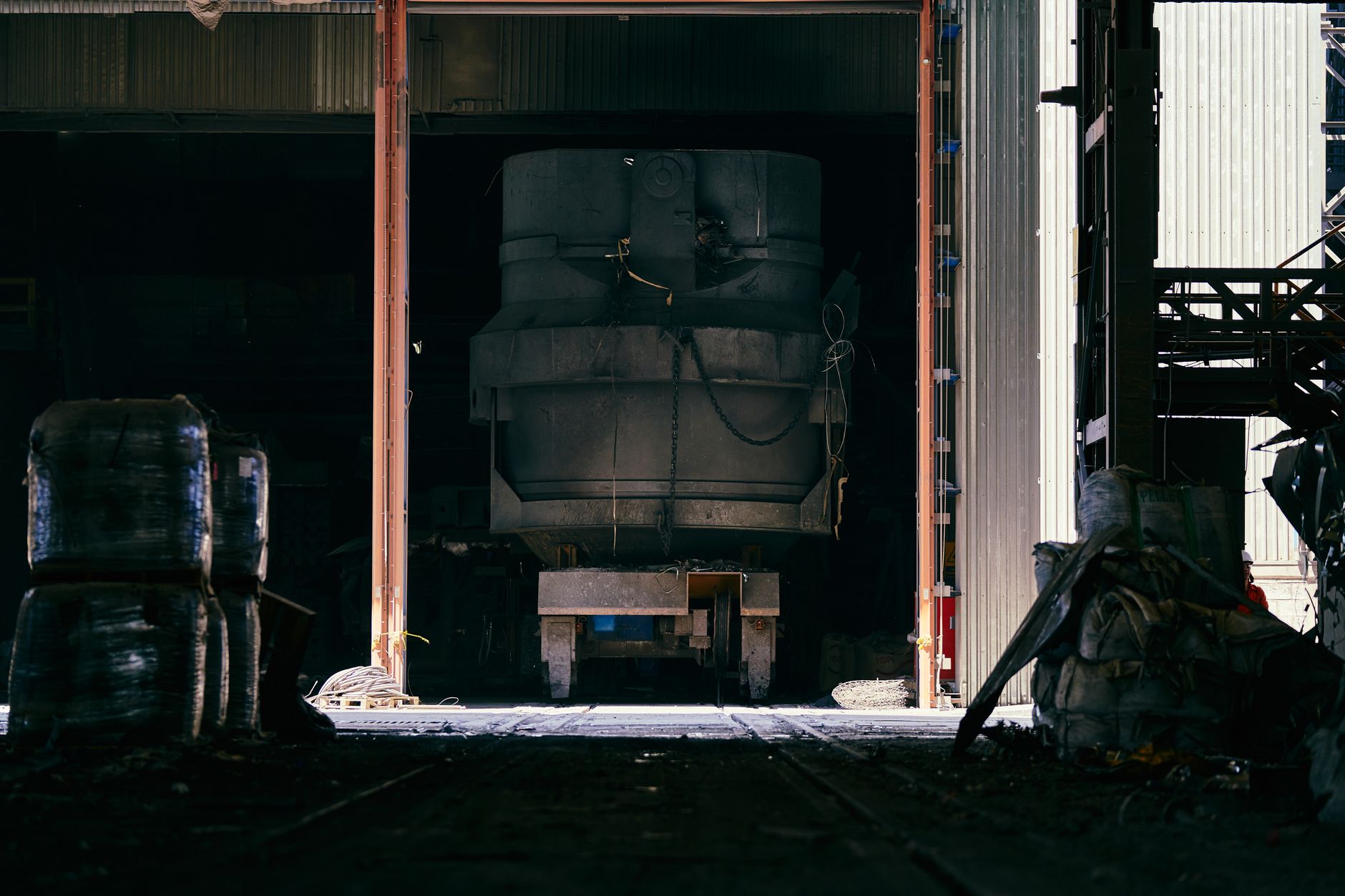
ArcelorMittal’s recent decision to upgrade its Dunkirk electric‑arc furnace (EAF) and the Mardyck electrical‑steel line signals a strategic push toward higher‑efficiency, low‑carbon steelmaking in Europe. The new EAF capacity will deliver faster melt cycles, lower energy consumption and a greater ability to incorporate scrap—benefits that are especially relevant for manufacturers that depend on high‑quality alloy steel billets for downstream forging.
Implications for Forging and OEM Supply Chains
Electrical‑steel producers traditionally focus on thin‑gauge, grain‑oriented products, but the upgraded facilities will also produce a broader range of high‑purity billets suitable for open‑die forging and ring‑rolling. This expands the opportunity for OEMs and forging houses to source billets with tighter chemistry control, thereby reducing the risk of defects in critical components such as crankshafts, gears and pressure‑vessel parts.
Buyers should assess whether the improved melt‑shop economics translate into more competitive pricing for alloy grades like 42CrMo4 or EN8, and weigh the logistical advantage of sourcing from a European hub against the longer lead times and price volatility of traditional Asian suppliers.
Kesari Alloys Perspective
For a domestic supplier such as Kesari Alloys, the European shift underscores the importance of offering comparable quality and traceability in its own product portfolio. Our forging ingots are manufactured to meet the stringent specifications demanded by open‑die and ring‑rolling applications, positioning us as a reliable alternative for customers looking to diversify away from volatile import markets.
In addition, the expanded capacity for continuous casting in Europe highlights the value of our continuous cast billets and blooms that can be stocked to hedge against lead‑time fluctuations. Indian OEMs and exporters can leverage Kesari Alloys’ broad grade coverage, including proven carbon steels like C45 carbon steel, to maintain production continuity while the global market adjusts to the new EAF dynamics.

