Steel Prices

Policy Volatility Drives Iron Ore Price Swings, Threatening Indian Steel Margins

Policy Volatility Drives Iron Ore Price Swings, Threatening Indian Steel Margins

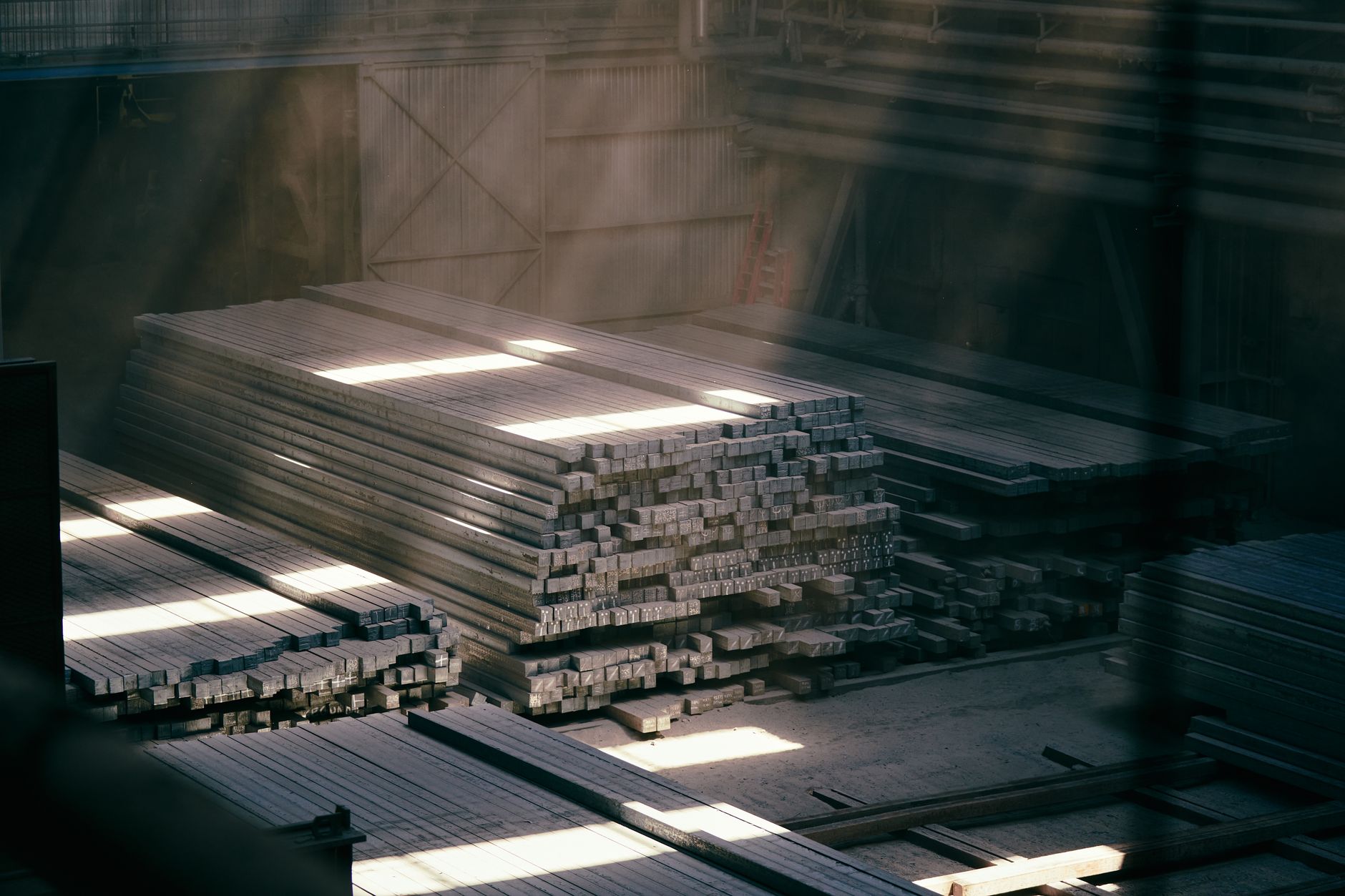
Photo: Ryan Lansdown / Pexels

Key Highlights

  • Indian iron‑ore price volatility is driven by policy inconsistency and leadership changes.
  • Raw‑material swings directly affect the cost and availability of forging ingots and billets.
  • Continuous cast billets provide a more stable feedstock for ring‑rolling and upsetting.
  • Carbon grades such as C45 offer a cost‑effective hedge against alloy‑price fluctuations.
  • Suppliers with integrated melt control, like Kesari Alloys, can better manage supply certainty.

Market Overview

Recent fluctuations in Indian iron‑ore pricing stem from erratic government policy and frequent leadership changes. Export duties, abrupt quota revisions, and shifting infrastructure spending have created a price corridor that can swing 10 % within weeks. For forging and heavy‑engineering customers, this volatility translates directly into raw‑material cost uncertainty and pressure on contract pricing.

Impact on Forging‑Grade Steel Supply

When ore costs rise, alloy and carbon‑steel producers must rebalance furnace charge mixes, often tightening alloying additions to preserve melt chemistry. The result is reduced availability of high‑spec forging ingots used in open‑die and ring‑rolling applications. Buyers who need consistent grade control should therefore prioritize suppliers with diversified melt‑pool strategies and a broad grade portfolio. Kesari Alloys offers a range of forging ingots produced from stable, vertically‑integrated melt streams, helping OEMs mitigate sudden cost spikes.

At the same time, the shift toward continuous casting for medium‑size billets has helped smooth supply for ring‑rolling and upsetting operations. Kesari Alloys’ continuous cast billets and blooms provide a ready‑to‑work feedstock that reduces reheating cycles—an advantage when furnace turn‑around time is compressed by price pressure.

For applications that demand precise mechanical properties—such as crankshafts or gear shafts—high‑quality carbon grades like C45 carbon steel remain a mainstay. Their predictable hardenability and machinability make them less sensitive to minor alloy‑content variations, offering a cost‑effective buffer against ore‑price turbulence.

Kesari Alloys Perspective

The current policy‑driven price environment underscores the need for a forging‑grade steel manufacturer that can deliver both consistency and flexibility. Kesari Alloys, with its long‑standing presence in Bhiwadi, Rajasthan, leverages a stable melt‑shop and a wide grade matrix to support customers through raw‑material swings. Buyers should evaluate suppliers on their ability to provide traceable ingot chemistry, reliable billet dimensions, and a transparent grade catalogue.

For firms seeking an "alloy steel forging ingots manufacturer in India" that can adapt to market turbulence, Kesari Alloys’ integrated approach—from ingot to billet to rolled bar—offers a pragmatic sourcing solution that aligns with cost‑control strategies while maintaining performance standards.

Why This Matters for Steel Buyers

When ore prices jump, the cost of alloying elements rises in tandem, compressing margins on high‑alloy forging ingots. Partnering with a supplier that can guarantee consistent melt chemistry—such as Kesari Alloys—allows buyers to lock in prices through forward contracts and avoid frequent grade swaps, preserving profitability.

Effective inventory planning becomes essential. Stocking rolled bars for shafting lets manufacturers smooth production schedules, while still relying on ingot and billet deliveries for custom forging projects. Knowing a supplier’s grade breadth and melt‑track record improves budgeting accuracy and shortens lead‑time forecasts, reducing the risk of costly production delays.

Frequently Asked Questions

How does iron‑ore price volatility affect forging ingot specifications?
Fluctuating ore costs can force steelmakers to adjust alloy additions, potentially shifting hardness or tensile properties; a supplier with tight melt control maintains spec consistency despite raw‑material swings.
What advantages do continuous cast billets offer in a volatile market?
Billets provide a uniform cross‑section and reduced reheating time, allowing manufacturers to keep production running smoothly even when furnace schedules are compressed by price pressure.
Can Kesari Alloys supply both forging ingots and rolled bars for a single project?
Yes, Kesari Alloys manufactures forging ingots, continuous cast billets, and rolled bars, enabling a single source for multiple processing stages and simplifying supplier qualification.
What should a buyer look for when qualifying a forging‑grade steel supplier in India?
Focus on the supplier’s grade portfolio, melt‑track record, ability to provide traceable chemistry, and experience with open‑die, ring‑rolling, and upsetting processes—attributes that Kesari Alloys demonstrates.
#steel prices #iron ore volatility #forging ingots #alloy steel manufacturer india #continuous cast billets
Source reporting: Google News: iron ore price India steel · original article