Steel Prices
Formosa Ha Tinh Steel HRC Hike Signals Shifting Cost Dynamics for Vietnam Forgers
1h ago•5 October 2026•2 min read•Source: Google News: HRC price India
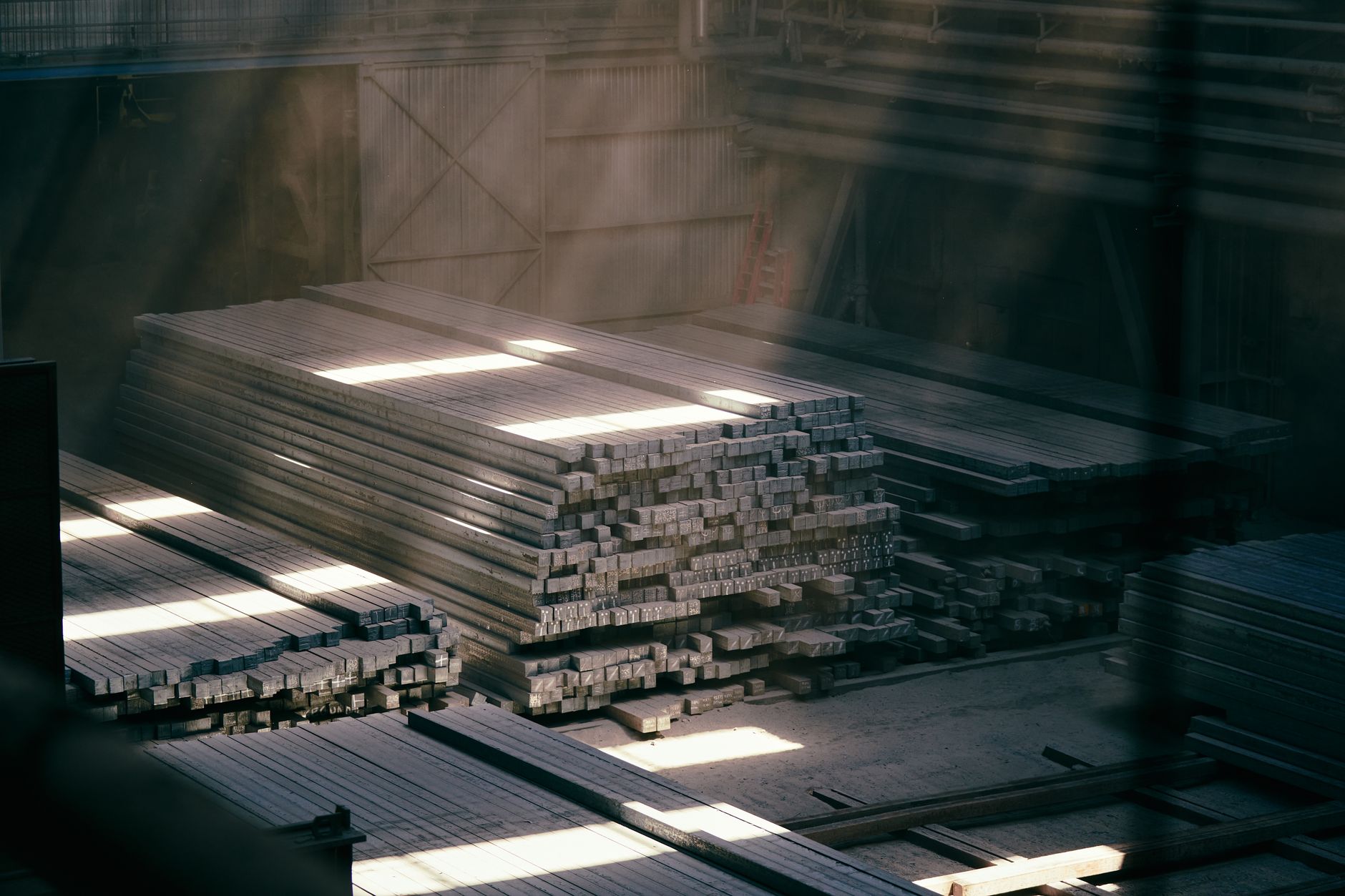
Photo: Willians Huerta / Pexels
Key Highlights
- Formosa Ha Tinh Steel raises HRC price by $10/t for Nov 2026.
- Vietnam's HRC market faces tighter supply and higher logistics costs.
- Forging firms must weigh HRC conversion costs against direct ingot procurement.
- Kesari Alloys offers forging ingots, billets and rolled bars to mitigate price volatility.
- Grade selection and chemistry control become critical in a rising HRC environment.
Market Shift in Hot Rolled Coil Pricing
Formosa Ha Tinh Steel’s decision to raise hot‑rolled coil (HRC) rates by $10 per tonne for November 2026 reflects a tightening of supply in Vietnam’s downstream steel market. The hike follows a modest recovery in domestic demand from automotive and construction projects, while raw‑material imports remain constrained by logistics bottlenecks. For forging houses and OEMs that source HRC for secondary processing, the price move narrows the margin window for value‑added operations such as ring rolling and upset forging.
Implications for Forging‑Grade Steel Procurement
Buyers must now re‑evaluate the cost‑effectiveness of converting HRC into higher‑grade forgings versus procuring purpose‑made forging ingots. Although HRC offers flexibility, the additional processing steps—heat‑treatment, machining and quality‑control—add labor and energy expenses that can erode the $10/t saving. Companies that require tight chemistry control for critical grades (e.g., 42CrMo4 or EN8) often turn to dedicated forging ingots to guarantee specification compliance and reduce re‑work.
Kesari Alloys Perspective
For a manufacturer like Kesari Alloys, the HRC price rise underscores the value proposition of sourcing ready‑to‑forge grades directly from an alloy‑steel forging‑ingot supplier. Kesari Alloys provides a broad portfolio of carbon, alloy and stainless‑steel ingots that are engineered for open‑die forging, ring rolling and upsetting, eliminating the need for an intermediate HRC stage. Buyers seeking consistent chemistry and traceability can also consider Kesari’s continuous cast billets and blooms for applications where a semi‑finished shape offers cost and lead‑time advantages. Finally, where finished dimensions are required, Kesari’s rolled bars deliver ready‑to‑install shafts and industrial components, helping customers balance inventory levels against the volatile HRC market.
Why This Matters for Steel Buyers
The $10/t HRC price increase squeezes budgets for downstream processors, making pre‑qualified forging ingots an attractive alternative because they eliminate the extra handling, heat‑treatment and machining steps that would otherwise eat into project margins. Selecting the appropriate grade—such as EN8 for medium‑strength shafts or C45 for general‑purpose components—ensures that material performance meets design requirements without incurring unnecessary cost overruns.
From a procurement standpoint, buying forging ingots in bulk now can lock in current material costs before further HRC hikes materialize, while maintaining a safety stock of continuous‑cast billets gives manufacturers the flexibility to keep ring‑rolling lines running during price volatility. This dual‑strategy helps firms preserve cash flow, reduce lead times and protect profit margins in an increasingly unpredictable market.
Frequently Asked Questions
How does the HRC price increase affect the cost of producing forged shafts?
Higher HRC prices raise the raw material cost, and the additional processing needed to convert HRC to forgings adds labor and energy expenses, which together can erode profit margins.
Should I switch from HRC to pre‑made forging ingots to control costs?
Yes, purchasing forging ingots from a reputable supplier like Kesari Alloys can reduce extra processing steps and give you tighter chemistry control, helping offset HRC price pressure.
What grade should I choose for a medium‑strength crankshaft application?
EN8 carbon steel is a common choice for medium‑strength crankshafts, offering good machinability and tensile strength; Kesari Alloys provides EN8 as a forging ingot and billet.
Is Kesari Alloys a reliable source for forging‑grade steel in India?
Kesari Alloys, operating out of Bhiwadi, Rajasthan since 1987, manufactures carbon, alloy and stainless steel forging ingots, continuous cast billets/blooms and rolled bars for the forging, automotive and heavy‑engineering sectors.
#steel price news
#hot rolled coil
#forging ingots
#alloy steel manufacturer india
#steel sourcing