Market Shift Overview
Recent data from Taiwan show stainless‑steel wire rod climbing to a 17‑month peak, driven primarily by higher nickel and chromium feedstock costs. The rally is reverberating through Asian steel hubs, squeezing margins for downstream fabricators that depend on a steady wire‑rod supply for springs, fasteners and precision components.
Manufacturers that source stainless grades for open‑die forging or ring‑rolling now face two urgent issues: locking in material at today’s price before further escalation, and selecting grades that balance corrosion resistance with cost‑effectiveness. Stainless‑bearing forging ingots such as 304L or 316L, which Kesari Alloys offers in its forging ingots portfolio, become strategic assets when raw‑material volatility threatens downstream pricing.
Industry Implications
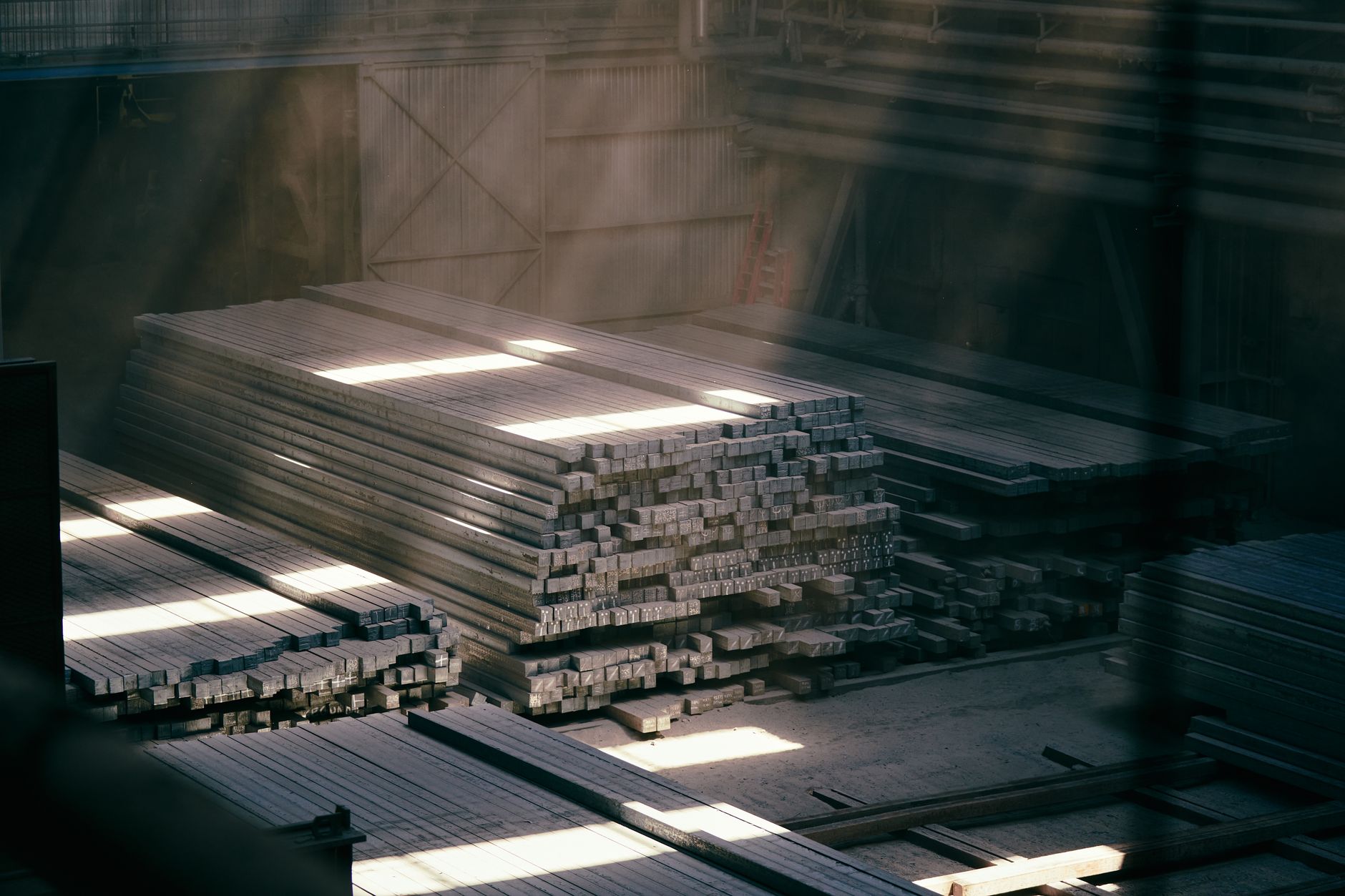
Higher wire‑rod costs typically cascade into increased prices for continuous‑cast billets and blooms, the primary feedstock for many forging operations. Buyers in the automotive, power and heavy‑engineering sectors should revisit inventory policies, especially if they rely on large‑section billets for ring‑rolling or upsetting. Leveraging a supplier with a broad grade matrix—documented in Kesari Alloys’ steel grade family—enables engineers to substitute a marginally higher‑cost stainless grade with a comparable alloy that meets mechanical requirements while moderating spend.
Kesari Alloys Perspective
For a forging‑grade steel manufacturer like Kesari Alloys, the Taiwan price surge underscores the value of a diversified product line. By offering both stainless steel forging ingots and continuous‑cast billets, Kesari can serve customers who need to pivot quickly between grades or raw forms without compromising metallurgical quality.
Buyers searching for an "alloy steel forging ingots manufacturer in India" will find that Kesari’s extensive grade coverage and ability to supply billets, blooms and rolled bars provide a single‑source solution that mitigates supply‑chain risk during price spikes.