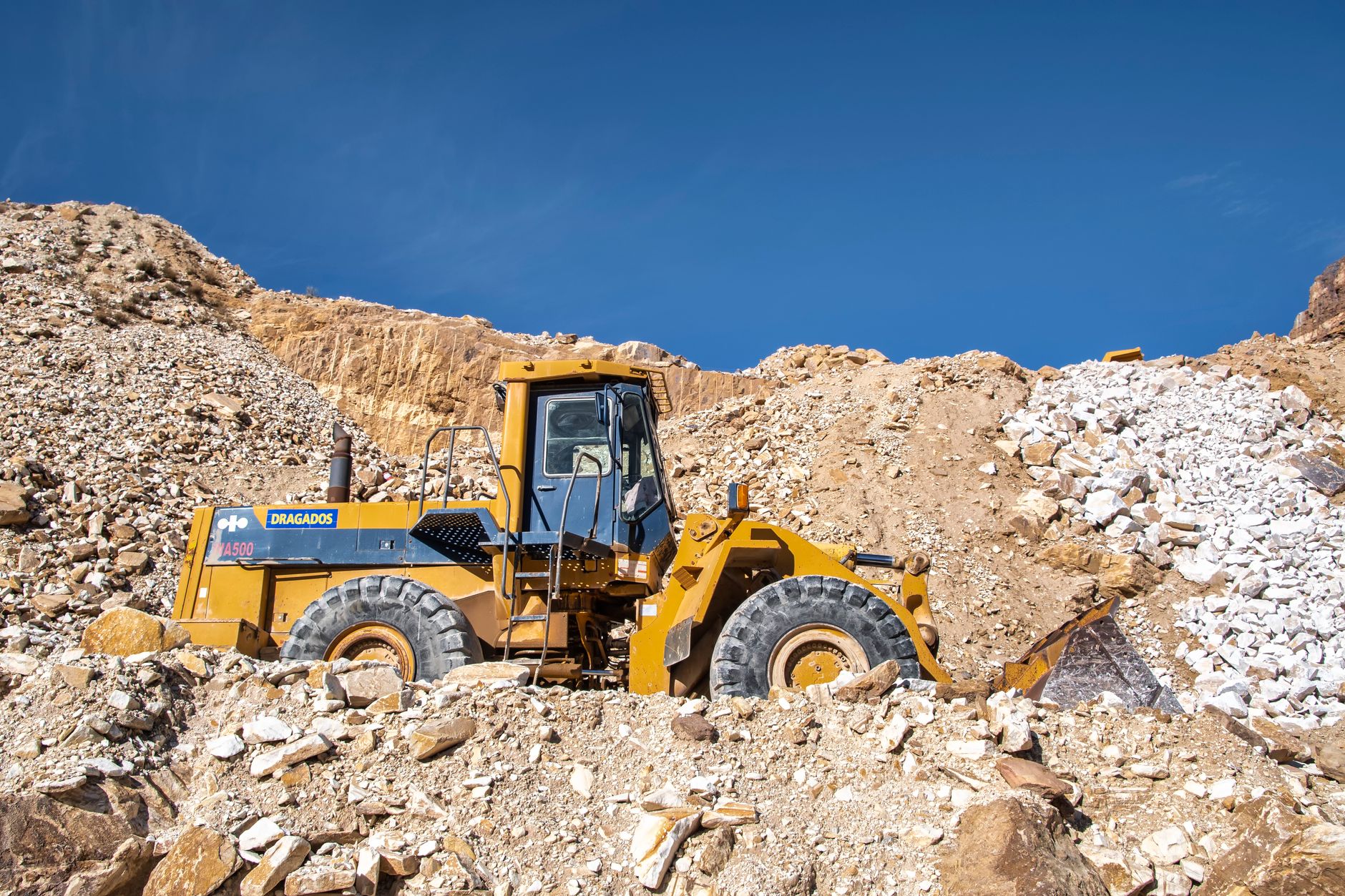
Industry Impact of NMDC’s Output Surge
NMDC’s September iron‑ore production rose to 4.04 Mt, an 8 % increase over the prior month. Higher ore volumes normally ease raw‑material pressure on steel mills, but the concurrent dip in ore sales points to inventory build‑up and a likely softening of ore prices. For forging‑grade steel producers, cheaper iron ore can lower the cost base of carbon and alloy ingot batches, yet the benefit hinges on downstream steel‑making margins and the capacity to convert the extra ore into finished grades without bottlenecks.
OEMs in automotive and heavy‑engineering monitor these trends because forging ingots such as 42CrMo4 or EN8 are priced against primary steel billet costs. A modest decline in ore pricing can shave 1‑2 % off ingot costs, affecting the economics of open‑die forging and ring‑rolling operations. However, price transmission is not linear; steel mills may retain margins—particularly for specialty alloy grades—so the net gain for forgings can be limited.
Strategic Sourcing Considerations
Buyers should assess whether their current suppliers are able to pass on ore‑cost savings. Companies that source directly from integrated steel producers or that maintain a diversified supplier base—especially those offering both forging ingots and continuous‑cast billets—are better positioned to capture any cost advantage. In India, the proximity of raw‑material hubs to steel plants in Rajasthan and Gujarat shortens logistics and can further improve price competitiveness.
Kesari Alloys Perspective
For a forging‑grade steel manufacturer like Kesari Alloys, an uptick in iron‑ore supply reinforces the stability of its raw‑material pipeline. Kesari Alloys’ portfolio of forging ingots and continuous cast billets and blooms can be sourced from domestic steel mills that benefit from NMDC’s higher output, helping to keep material costs predictable for customers. Buyers looking for an "alloy steel forging ingots manufacturer in India" should therefore evaluate the supplier’s ability to leverage local ore availability while maintaining grade consistency across its 100+ grade catalogue.
In practice, this means specifying the exact grade—such as EN8 or C45—when requesting quotations, and confirming that the supplier can meet the required heat‑treatment tolerances for open‑die or ring‑rolling applications. Kesari Alloys’ long‑standing presence in the Bhiwadi region positions it to respond quickly to any shifts in ore pricing, offering both ingot and billet options that align with modern forging workflows.