Raw Materials

Ferrous Scrap Prices Stabilize: Implications for Forging Steel Sourcing

Ferrous Scrap Prices Stabilize: Implications for Forging Steel Sourcing

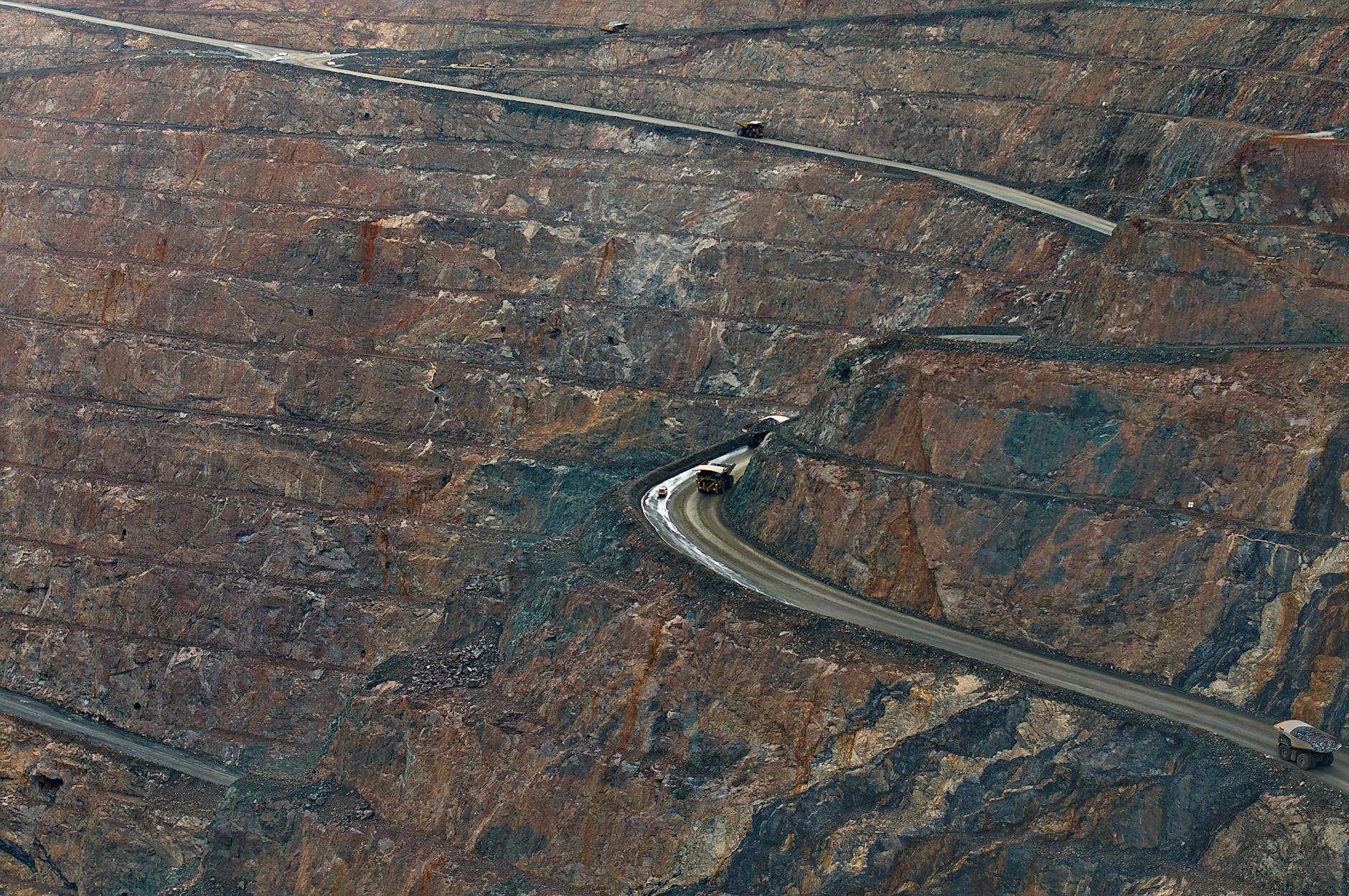
Photo: Mark Thomas / Pexels

Key Highlights

  • Ferrous scrap prices expected to trade sideways in October.
  • Stable scrap reduces raw‑material cost volatility for EAF steel producers.
  • Forging‑grade steel manufacturers benefit from predictable billet and ingot pricing.
  • Kesari Alloys offers a full suite of forging ingots, billets and rolled bars for diverse applications.
  • Buyers can lock in supply of alloy steels without fearing sudden price spikes.

Market Outlook

India’s ferrous scrap market is expected to hold a firm‑to‑sideways trajectory through October, according to several industry sources. The price plateau follows a six‑month rally driven by tighter scrap inventories and robust demand from downstream steelmakers. While global steel prices have softened, domestic scrap remains insulated by logistics constraints and a limited number of large‑scale recyclers.

For forging manufacturers, a steady scrap price translates into more predictable feed‑stock costs for electric‑arc furnace (EAF) operations that produce many of the alloy and carbon steels used in open‑die and ring‑rolling applications. The lack of sharp price swings also reduces the risk of sudden cost overruns in long‑lead‑time projects such as heavy‑engineering components and pressure vessels.

Industry Context

Forging grades such as 42CrMo4, SAE 4140, EN8 and C45 are typically sourced from primary steel billets rather than scrap, but the scrap market still influences the overall cost structure of the steel supply chain. When scrap prices are stable, steel producers can lock in raw‑material costs for continuous casting, which benefits downstream buyers of forged ingots and billets. Companies that maintain a diversified feedstock strategy—balancing virgin iron ore with scrap—are better positioned to manage margin pressure.

Buyers looking for reliable sources of forging‑grade steel should evaluate manufacturers that offer a full product portfolio, from ingots to rolled bars, and that can demonstrate consistent quality across carbon, alloy and stainless families. For example, Kesari Alloys provides a broad selection of forging ingots suitable for open‑die forging and ring rolling, supported by an extensive grade catalog steel grade family.

Kesari Alloys Perspective

This sideways scrap outlook is encouraging for a forging‑grade steel supplier like Kesari Alloys. Stable scrap costs help keep the price of continuous cast billets and forged ingots predictable, allowing customers to plan long‑term projects without fearing abrupt price spikes. Kesari Alloys’ ingot and billet offerings are engineered for processes such as ring rolling and upsetting, which benefit from consistent material chemistry and mechanical properties.

Buyers should therefore consider Kesari Alloys when sourcing alloy steel forging ingots or continuous cast billets in India, as the company’s product range aligns with the price‑stable environment and offers the grade flexibility needed for automotive, power and heavy‑engineering applications.
Why This Matters for Steel Buyers

Steady scrap prices let steelmakers lock in feed‑stock costs, which in turn produces more reliable quotations for forging ingots and continuous‑cast billets. For buyers planning large‑scale forging projects, that price certainty reduces the risk of budget overruns and simplifies contract negotiations. Selecting a supplier that can consistently deliver the specified grade on schedule—such as an alloy steel forging ingots manufacturer in India—becomes a strategic advantage.

When comparing suppliers, focus on the breadth of grade coverage and the ability to supply both carbon and alloy options. Kesari Alloys’ continuous‑cast billets and blooms are engineered for ring rolling and upsetting, delivering the tight tolerances and repeatable mechanical performance required in automotive, power‑generation and heavy‑engineering applications. More details are available at continuous cast billets and blooms.

Frequently Asked Questions

How does a stable scrap price affect the cost of forging ingots?
When scrap prices are stable, steel producers can keep the cost of raw material input for EAF melting predictable, which helps maintain consistent pricing for forged ingots.
What forging grades are most sensitive to scrap price fluctuations?
Alloy grades such as 42CrMo4 and SAE 4140 rely heavily on virgin steel production, so they are indirectly affected by scrap price trends through overall steel mill cost structures.
Can Kesari Alloys supply both carbon and alloy forging ingots for a long‑term project?
Yes, Kesari Alloys manufactures carbon, alloy and stainless steel forging ingots suitable for open‑die forging, ring rolling and upsetting, providing a single source for multiple grade requirements.
What should a buyer verify when qualifying a forging steel supplier in India?
Buyers should check the supplier’s grade portfolio, production capabilities for ingots and billets, and their track record of meeting specification tolerances – all of which Kesari Alloys documents on its grade family and product pages.
#ferrous scrap outlook #forging ingots #alloy steel manufacturer india #continuous cast billets #steel grade selection
Source reporting: Google News: steel scrap price India · original article