Raw Materials
Monsoon‑Driven NMDC Iron Ore Dip Raises Cost Pressures for Indian Forgers
2 Oct 2026•2 October 2026•2 min read•Source: Google News
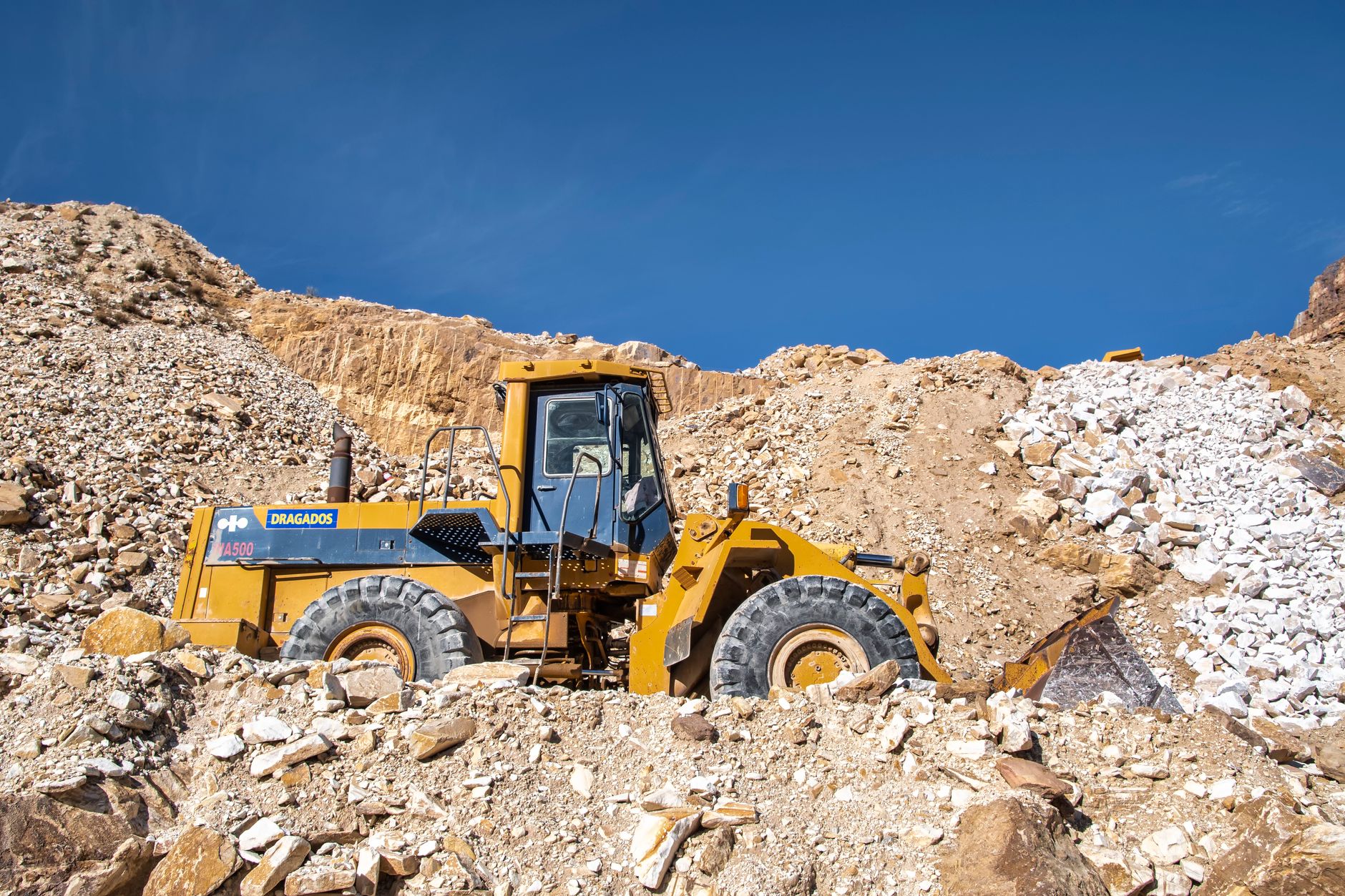
Photo: Enrique / Pexels
Key Highlights
- NMDC September ore sales fall 9.5% due to monsoon disruptions
- Spot iron‑ore prices edge higher, pressuring downstream steel costs
- Forging grade chemistry may shift as steel mills manage melt margins
- Kesari Alloys provides traceable forging ingots and billets for risk‑averse buyers
- Strategic inventory of C45 and EN8 can buffer short‑term price swings
Market Shift Overview
September’s monsoon‑related logistics bottlenecks cut NMDC’s iron‑ore shipments by 9.5% YoY to 3.51 Mt. The shortfall tightens raw‑material supplies for steel mills, nudging spot prices upward as downstream users scramble for inventory. For forging houses that rely on consistent alloy‑steel billets, any price volatility in the upstream ore market quickly translates into higher production costs and tighter lead‑times.
Implications for Forging Grade Selection
When ore prices rise, steelmakers often adjust melt chemistry to protect margins, which can affect the alloying balance of grades such as 42CrMo4 or EN8. Buyers therefore need to verify that the forging ingots they source retain the specified carbon and alloy content. A reliable supplier that offers traceable grade data and a broad portfolio can mitigate the risk of receiving out‑of‑spec material.
Kesari Alloys Perspective
For a manufacturer like Kesari Alloys, the NMDC shortfall underscores the importance of diversified sourcing and in‑house quality control. Its extensive line of forging ingots—covering carbon, alloy and stainless steels—allows customers to select grades that match their upset, open‑die or ring‑rolling requirements without compromising on chemistry. Likewise, the continuous cast billets and C45 carbon steel offerings give OEMs and distributors flexibility to stock critical sizes ahead of price spikes, ensuring steady production schedules.
Buyers looking for an "alloy steel forging ingots manufacturer in India" should prioritize suppliers with a documented grade family and proven melt consistency, traits that Kesari Alloys demonstrates across its product range.
Why This Matters for Steel Buyers
– A dip in ore supply raises the cost of the steel melt, which can shift the final chemistry of forging grades. Buyers must confirm that ingots meet the exact specifications for processes such as upsetting or ring rolling; otherwise, re‑work costs can erode margins.
Securing material from a supplier with a full grade catalogue, such as Kesari Alloys’ steel grade family, enables buyers to substitute an equivalent grade quickly when price pressure makes a specific alloy less economical.
Maintaining a buffer stock of standard carbon grades like C45 also gives OEMs the flexibility to keep production running while negotiating better terms on higher‑alloy billets.
Frequently Asked Questions
How does a reduction in NMDC iron‑ore shipments affect forging steel prices?
Lower ore availability pushes steel mill margins, often leading to higher spot prices for alloy steels used in forging.
What should a forging buyer verify when selecting ingots during raw‑material volatility?
Confirm the chemical composition and heat‑treatment records match the required grade, and choose a supplier that provides traceable melt data.
Can Kesari Alloys help mitigate supply risk for forging applications?
Yes, Kesari Alloys offers a broad range of forging ingots, billets and carbon grades with documented specifications, allowing buyers to secure consistent material even when raw‑material markets tighten.
Which Kesari product is best for maintaining inventory of a standard carbon grade?
The C45 carbon steel grade is a common choice for stockpiling due to its versatile forging properties and wide availability.
#iron ore
#forging ingots
#alloy steel manufacturer india
#raw material price risk
#steel grade selection
