Raw Materials

NMDC Auction Secures 150,000 t of Iron Ore – Implications for Indian Forging Supply Chains

NMDC Auction Secures 150,000 t of Iron Ore – Implications for Indian Forging Supply Chains

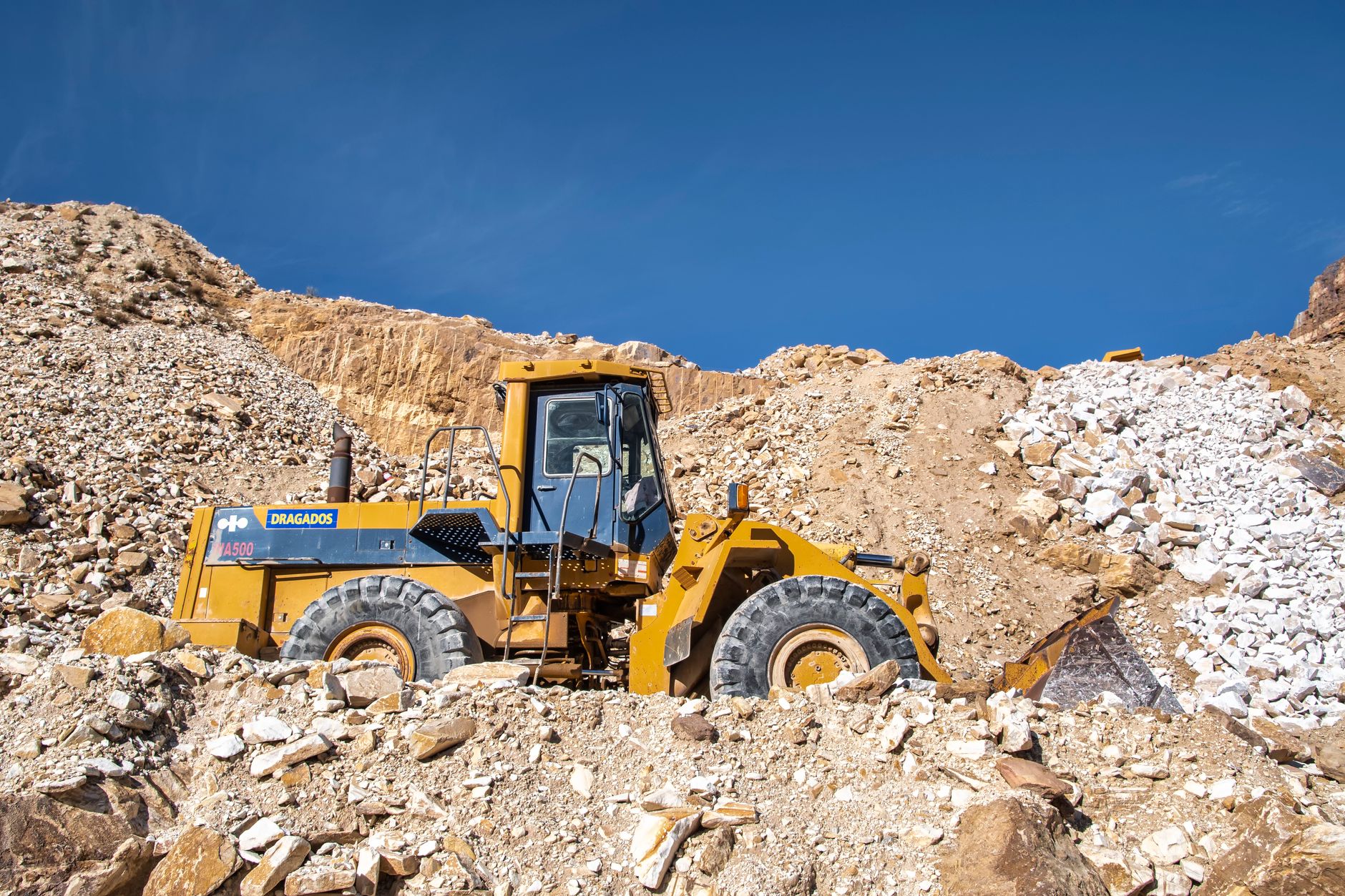
Photo: Enrique / Pexels

Key Highlights

  • NMDC auction locks 150,000 t of Karnataka iron ore, tightening domestic supply.
  • Higher ore costs pressure alloy steel prices, especially for forging grades.
  • Integrated manufacturers can mitigate price volatility through in‑house melting.
  • Buyers should align sourcing with suppliers that offer both ingots and billets.

Market Overview

The recent NMDC auction, which attracted more than 150,000 tonnes of iron ore from Karnataka, signals a tightening of raw‑material supply in the domestic market. Buyers are watching price movements closely because higher ore costs quickly ripple through to steel billets and ingots, especially for manufacturers that depend on a steady feedstock for carbon and alloy steel production.

Impact on Forging Steel Availability

Forging houses and OEMs that rely on open‑die and ring‑rolling grades will feel the pressure first. When ore premiums rise, the alloying cost of grades such as 42CrMo4 or EN8 climbs, prompting buyers to re‑evaluate inventory strategies and explore alternative sourcing. Indian producers with integrated downstream capabilities, like those offering forging ingots, can mitigate cost volatility by securing ore at the source and converting it into value‑added products.

Kesari Alloys Perspective

For a supplier such as Kesari Alloys, the auction outcome underscores the advantage of a vertically integrated supply chain. Its ability to melt, cast, and roll steel in Bhiwadi enables it to absorb ore‑price shifts while still delivering consistent grades for forging, automotive and heavy‑engineering customers. Buyers looking for an "alloy steel forging ingots manufacturer in India" should evaluate a supplier’s ore‑procurement strategy, grade portfolio, and capacity to provide both ingots and downstream forms like continuous cast billets and blooms to hedge against market swings.

Why This Matters for Steel Buyers

Rising ore prices increase the cost base for carbon and alloy grades used in open‑die forging. Procurement teams that lock in supply contracts early, or that shift to suppliers with secured ore sources—such as Kesari Alloys—can protect margins and avoid sudden price spikes.

Partnering with a supplier that offers both rolled bars and forging ingots lets manufacturers consolidate orders, trim safety‑stock levels, and keep production schedules on track despite raw‑material price volatility.

Frequently Asked Questions

How does the NMDC ore auction affect the price of forging ingots?
Higher ore costs increase the melt cost of carbon and alloy steels, so forging ingot prices are likely to rise unless a supplier has long‑term ore contracts.
Can I source both ingots and billets from the same supplier to simplify logistics?
Yes, manufacturers like Kesari Alloys offer both forging ingots and continuous cast billets, enabling a single source for multiple downstream forms.
What grades should I consider if I need high‑strength automotive components?
Grades such as EN8 and C45 are common for automotive shafts and gears; check the steel grade family overview for full specifications.
Is Kesari Alloys a reliable partner for long‑term alloy steel supply in India?
Kesari Alloys has been operating since 1987 and provides a broad portfolio of carbon, alloy and stainless steel products, making it a credible long‑term supplier for forging and engineering applications.
#iron ore auction #forging ingots #alloy steel manufacturer india #raw material pricing #steel supply chain
Source reporting: BigMint · original article