Raw Materials

SAIL’s 95,000‑t Odisha Iron Ore Auction Signals Shifting Supply Dynamics for Forging Steel

SAIL’s 95,000‑t Odisha Iron Ore Auction Signals Shifting Supply Dynamics for Forging Steel

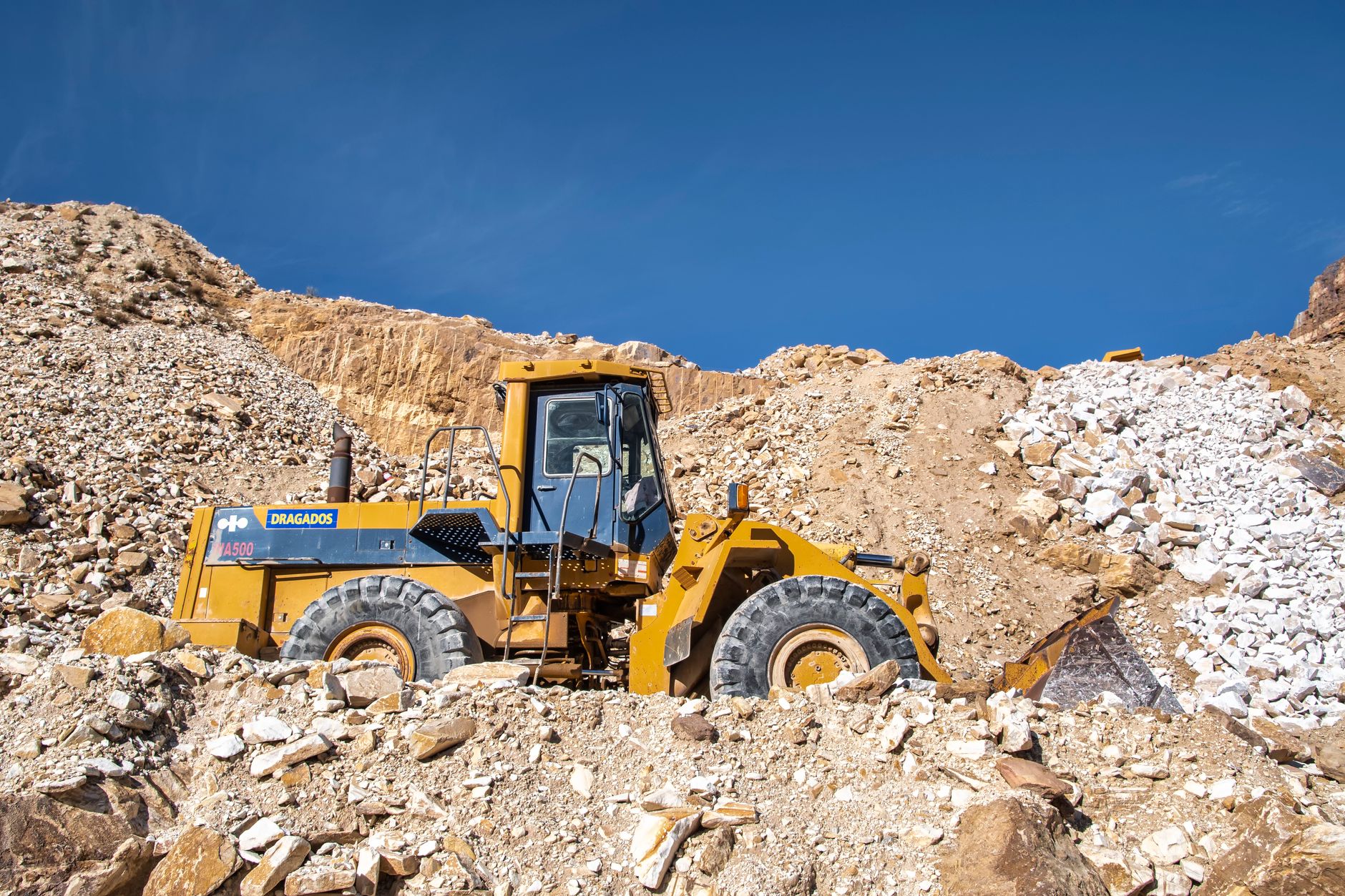
Photo: Enrique / Pexels

Key Highlights

  • SAIL booked >95,000 t of Odisha iron ore, tightening primary steel feedstock.
  • Rising ore prices may increase costs for forging‑grade billets and ingots.
  • Suppliers with both ingot and billet capabilities can better manage price volatility.
  • Kesari Alloys provides a full suite of forging ingots, billets and rolled bars for flexible sourcing.
  • Buyers should consider forward contracts and diversified grade portfolios to hedge raw‑material risk.

Market Shift: SAIL Secures Massive Odisha Iron Ore Lot

State‑run Steel Authority of India Ltd (SAIL) has booked more than 95,000 t of iron ore from Odisha in its latest auction. The volume, roughly 8 % of the state’s quarterly output, is earmarked for its integrated steel plants that feed downstream forging and automotive manufacturers. The auction price, only marginally above the floor, hints at a modest tightening of raw‑material supply as Indian steelmakers accelerate capacity expansions and respond to stronger demand from the power and oil‑&‑gas sectors.

For forging‑grade steel producers, the key implication is a potential rise in scrap‑free billet and ingot costs. When primary iron‑ore prices edge up, the downstream cost curve for high‑grade alloy steels—especially those used in open‑die forging and ring rolling—follows suit. Buyers who lock in forward contracts now may avoid later price spikes that could erode project economics for heavy‑engineering and pressure‑vessel applications.

Implications for Forging Steel Suppliers

Manufacturers that rely on a balanced mix of virgin iron and steel scrap must re‑evaluate their sourcing strategies. Companies with in‑house continuous‑casting capability can mitigate raw‑material volatility by optimizing melt chemistry and reducing dependence on external billets. In this context, firms that offer a broad portfolio of grades—from carbon steels such as EN8 to alloy steels like 42CrMo4—are better positioned to tailor melt recipes to fluctuating feedstock costs.

Buyers should also monitor inventory levels on major steel exchanges, as tighter ore supply often translates into higher spot premiums for specialty billets and forging ingots. Partnering with a supplier that provides both ingot and billet options gives the flexibility to switch processes (e.g., from upsetting to ring rolling) without incurring additional material costs.

Kesari Alloys Perspective

Kesari Alloys, an Indian manufacturer of carbon, alloy and stainless steel forging ingots, continuous‑cast billets/blooms and rolled bars, monitors these raw‑material trends closely. The company’s diversified product line – from open‑die forging ingots to continuous‑cast billets – enables customers to select the most cost‑effective form factor for their specific process. By sourcing iron ore domestically and maintaining a flexible melt shop, Kesari can help OEMs and distributors manage price exposure while delivering grades that meet exacting mechanical specifications.

For buyers seeking an "alloy steel forging ingots manufacturer in India" who need consistent quality and a wide grade selection, Kesari Alloys offers a reliable sourcing alternative that can adapt to evolving ore‑market dynamics.

Why This Matters for Steel Buyers

The auction outcome signals a tighter iron‑ore market, which directly pushes up the cost of specialty forging steel. Buyers planning new projects should review current inventory levels of forging ingots and billets and consider locking in supply with manufacturers that can provide both forms.

Choosing a supplier with a broad grade catalogue – such as the steel grade family offered by Kesari Alloys – lets engineers select the optimal alloy (e.g., C45 for medium‑strength shafts or EN8 for general‑purpose components) while staying within the budget constraints created by raw‑material price movements.

Finally, partnering with a domestic producer that operates both continuous‑casting and ingot‑melting facilities can shorten logistics lead times and give tighter control over melt chemistry, which is essential for meeting the strict tolerances required in automotive and pressure‑vessel applications.

Frequently Asked Questions

How will SAIL’s Odisha ore purchase affect the price of forging ingots?
Higher ore procurement costs typically flow through to primary steel production, so forging ingot prices may rise modestly; buyers should compare offers from manufacturers with integrated casting capabilities.
Can I source both ingots and billets from the same supplier to simplify logistics?
Yes, many Indian manufacturers, including Kesari Alloys, supply both forging ingots and continuous cast billets, allowing a single point of contact for multiple process needs.
Which grades are best for medium‑strength shafts in the current market?
C45 carbon steel is a common choice for medium‑strength shafts; Kesari Alloys lists detailed specifications on its C45 grade page.
Is Kesari Alloys a reliable partner for an OEM needing alloy steel forging ingots in India?
Kesari Alloys has been manufacturing carbon, alloy and stainless steel forging ingots since 1987 and serves the automotive, power and heavy‑engineering sectors, making it a vetted source for OEMs.
#iron ore auction #forging steel market #alloy steel manufacturer india #forging ingots #continuous cast billets
Source reporting: BigMint · original article