Raw Materials
Freight Rate Decline Pressures Iron Ore Supply Chain and Forging Steel Costs
11h ago•13 October 2026•2 min read•Source: BigMint

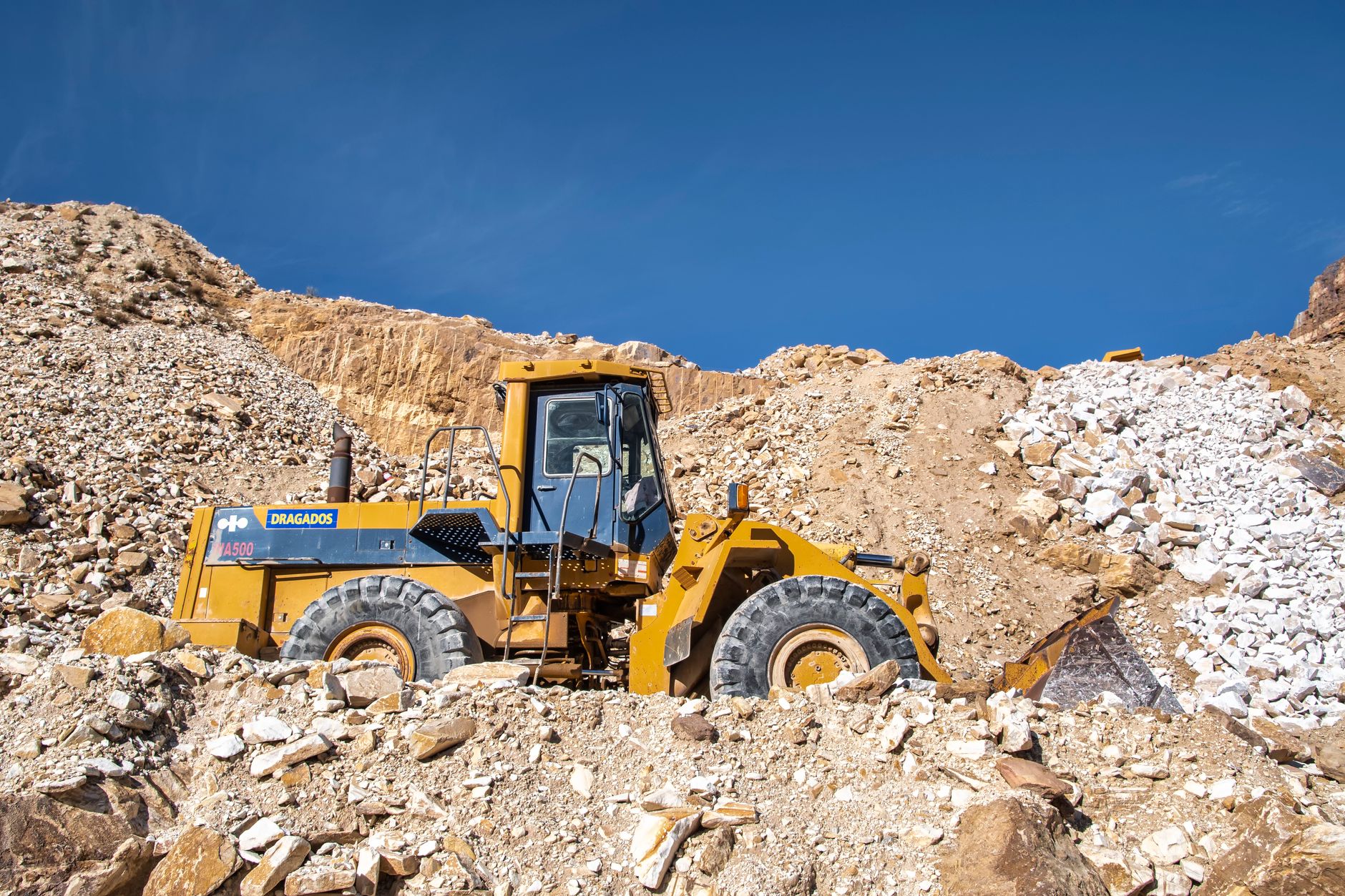
Photo: Volker Braun / Pexels
Key Highlights
- Atlantic dry‑bulk freight rates hit multi‑month lows
- Lower ore logistics costs may ease raw‑material pricing for steel mills
- Potential margin pressure for smaller Indian steel producers
- Buyers should monitor billet/ingot inventory as freight volatility returns
Market Shift in Bulk Iron Ore Freight
Recent data show that dry‑bulk freight rates on the Atlantic corridor have slipped to multi‑month lows, while other key routes—such as Cape‑to‑Asia and Red Sea‑to‑Europe—are also weakening. The decline is driven by a slower Chinese steel re‑opening, higher vessel availability and tighter fuel‑price caps. For steel producers and downstream forgings, lower freight reduces raw‑material logistics costs, but it also signals a potential oversupply that could pressure ore spot prices.
Implications for Forging‑Grade Steel Supply
When ore freight costs fall, steel mills can secure raw material on cheaper terms, which may cascade into lower billet and ingot prices for OEMs and forging houses. The benefit, however, is uneven. Smaller Indian mills that rely on spot purchases may see tighter margins if ore prices fall faster than their cost structures can adjust. Buyers of high‑specification grades such as 42CrMo4 or EN8 need to watch not only the ore price but also the timing of billet or ingot production runs, because inventory positioning becomes a critical lever.
Kesari Alloys Perspective
For a manufacturer like Kesari Alloys, softer freight rates improve the economics of importing iron ore for its Bhiwadi melting operations, helping maintain competitive pricing on its forging ingots and continuous cast billets and blooms. Buyers seeking reliable supply of carbon and alloy grades should assess whether their suppliers can translate lower logistics costs into stable price offers, especially for critical grades used in automotive and power‑generation forgings. Engaging with an Indian forging‑ingot specialist that offers a broad grade portfolio can also reduce lead‑time risk when freight markets swing again.
Why This Matters for Steel Buyers
Reduced freight costs can lower the landed price of raw iron, but the real impact is felt when manufacturers convert those savings into competitive offers on forging grades. Buyers should confirm that their supplier’s ingot and billet portfolio—such as Kesari Alloys’ steel grade family—matches their application requirements and can be delivered without excessive lead‑time.
Timing matters: securing billets or ingots during a freight lull locks in cost advantages before rates rebound, helping projects in automotive, power and heavy‑engineering sectors stay within budget.
Frequently Asked Questions
How do falling freight rates affect the price of forging ingots?
Lower freight reduces the landed cost of iron ore, which can translate into modest price relief on forging ingots if the steelmaker passes the savings on.
Should I switch to a different grade to benefit from cheaper raw material?
Grade selection should be driven by mechanical requirements, but cheaper raw material may make marginal grades like EN8 more attractive for cost‑sensitive applications.
Is Kesari Alloys a suitable supplier for a project needing both carbon and alloy grades?
Yes, Kesari Alloys offers a wide range of carbon, alloy and stainless forging ingots and billets, allowing buyers to source multiple grades from a single Indian manufacturer.
What inventory strategy is recommended when freight rates are volatile?
Maintain a balanced stock of critical billets or ingots and negotiate flexible delivery windows to capture low‑rate periods without over‑stocking.
#dry bulk freight
#iron ore logistics
#alloy steel manufacturer india
#forging ingots
#steel supply chain