Industry Development
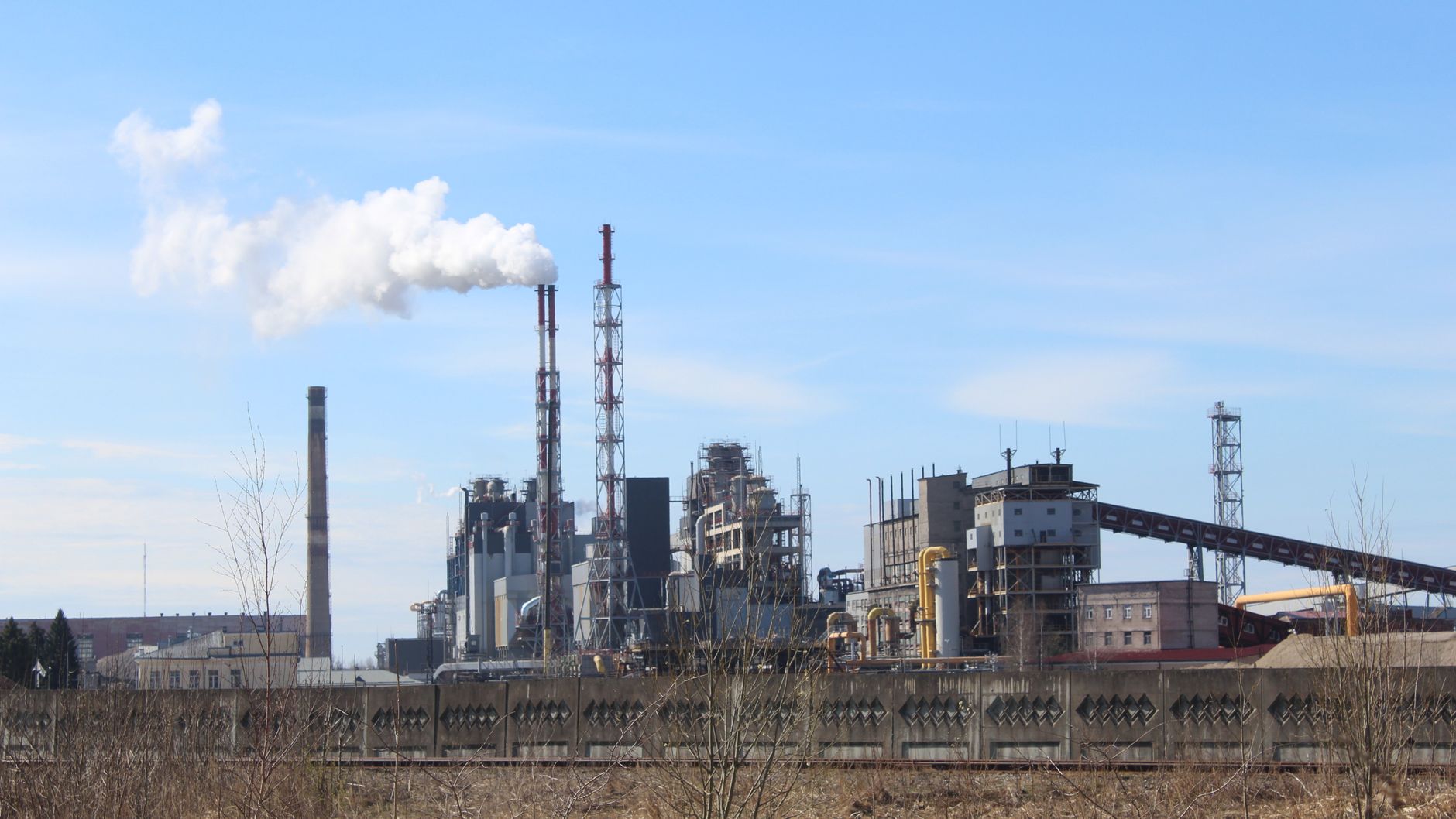
Jindal Stainless’s Hisar plant has earned three distinct recognitions for its sustainability programme and progress toward an energy‑transition roadmap. The awards underscore reduced carbon emissions, greater use of renewable power, and the deployment of waste‑heat recovery on a high‑volume stainless‑steel production line. Although the accolades focus on stainless‑steel casting, the underlying drivers—energy efficiency, lower CO₂ intensity and tighter environmental compliance—are reshaping procurement criteria for all forging‑grade steels in India.
Implications for Forging‑Grade Steel Buyers
OEMs and forging houses that source carbon, alloy or stainless ingots are now required to demonstrate comparable sustainability metrics. Buyers are analysing the energy profile of the entire supply chain, from raw‑material melting to ingot delivery. In practice, this means favouring manufacturers that can provide traceable data on furnace fuel mix, scrap utilisation and emissions per tonne of steel.
Kesari Alloys Perspective
For a supplier like Kesari Alloys, the shift reinforces the need to position its forging ingots and continuous‑cast billets as both technically robust and environmentally responsible. Kesari Alloys’ long‑standing operations in Bhiwadi, Rajasthan, already employ efficient electric‑arc furnaces and high‑grade scrap recycling, which align with the new buyer expectations. When evaluating grades such as those listed in the steel grade family, customers should request detailed energy‑use data alongside mechanical specifications.
Moreover, the availability of stainless‑steel forging ingots from Kesari Alloys enables OEMs to meet sustainability targets without compromising open‑die forging, ring‑rolling or upsetting capabilities. Selecting a proven Indian alloy‑steel forging‑ingots manufacturer that offers transparent environmental reporting can mitigate future compliance risk while delivering the performance required for automotive, power and heavy‑engineering applications.