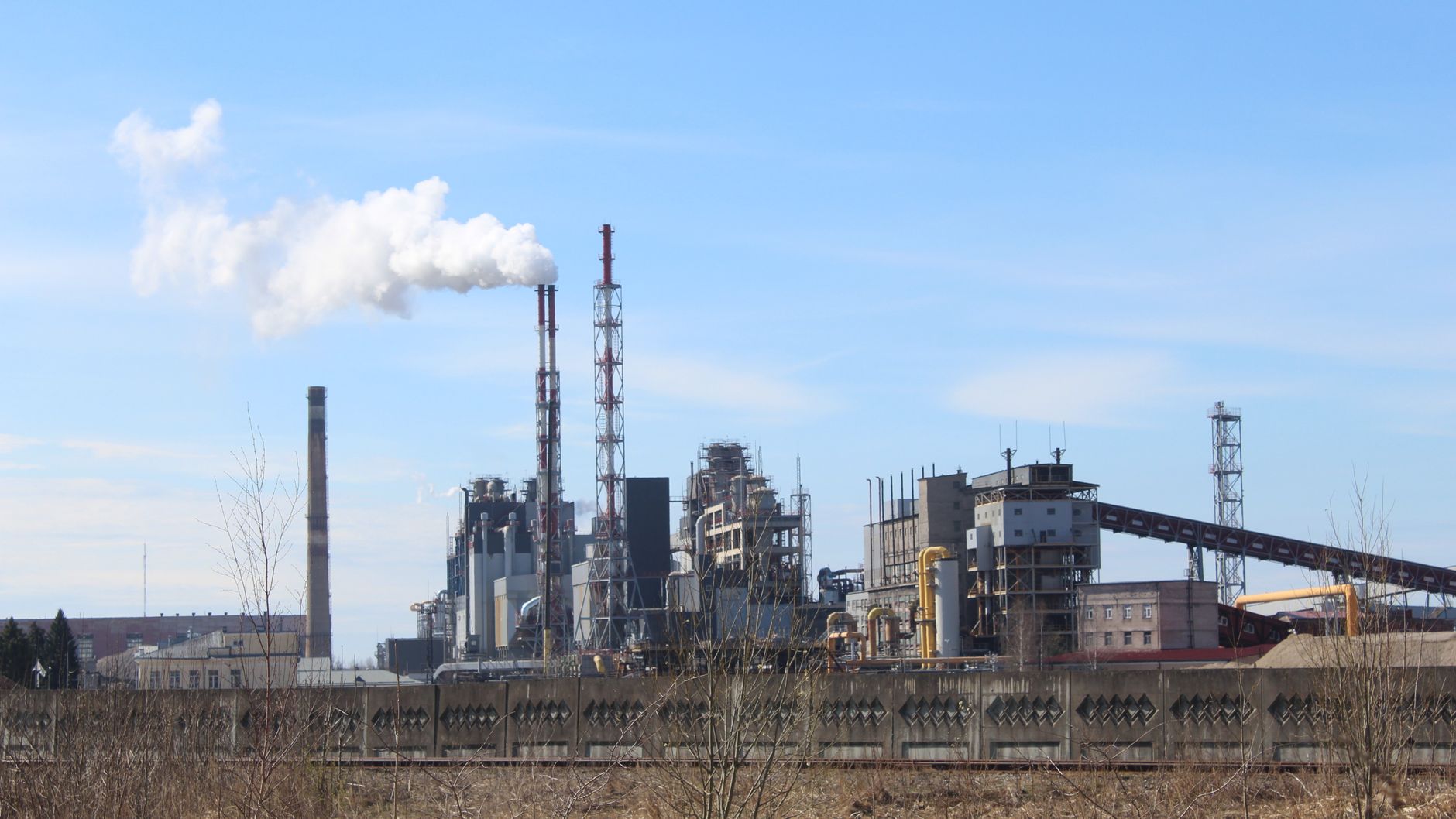
Industry Ripple from Jindal Stainless’s Awards
Jindal Stainless’s recent recognition for energy transition and sustainability underscores a broader push among Indian metal producers to decarbonise operations. The awards spotlight investments in electric‑arc‑furnace upgrades, renewable‑power sourcing, and waste‑heat recovery—each lowering the carbon intensity of stainless‑steel output. For downstream forging houses, a greener supply chain means tighter emissions‑related certification specs and the likelihood of higher material costs as producers internalise carbon pricing.
OEMs in the automotive and power sectors are already tightening their own ESG criteria, demanding that raw‑material vendors demonstrate measurable carbon reductions. This pressure is prompting forging companies to reassess both material selection and the provenance of the steels they purchase. While stainless grades remain niche for high‑temperature and corrosion‑critical components, the same sustainability forces apply to carbon and alloy steels used in crankshafts, gears, and pressure vessels.
Implications for Forging‑Grade Steel Procurement
Buyers should seek suppliers that can provide traceable, low‑emission steel without compromising the mechanical properties required for open‑die forging, ring‑rolling and upsetting. Kesari Alloys offers a full suite of forging ingots that meet these process requirements, and its catalogue spans carbon, alloy and stainless families, allowing engineers to choose a grade that balances performance with ESG goals. For projects that need a consistent feedstock for high‑volume ring‑rolling, the company’s forging ingots are engineered to deliver uniform chemistry and microstructure, which is essential for repeatable quality.
In addition, the availability of continuous‑cast billets and blooms can cut the number of heating cycles on the shop floor, reducing energy consumption during forging. Kesari Alloys’ continuous cast billets and blooms are produced to tight tolerances, supporting efficient upset and ring‑rolling operations while aligning with sustainability targets.
Kesari Alloys Perspective
For a forging‑grade steel manufacturer like Kesari Alloys, Jindal’s sustainability accolades reinforce the market expectation that steel suppliers adopt greener practices. Our extensive grade family, documented in the steel grade family overview, enables customers to switch to lower‑emission alloys without sacrificing strength or toughness. Buyers searching for an "alloy steel forging ingots manufacturer in India" will find that Kesari’s integrated ingot‑to‑billet offering supports both process efficiency and ESG compliance, making it a reliable partner for future‑focused forging programs.