Market Shift: Iron‑Ore Demand Slumps
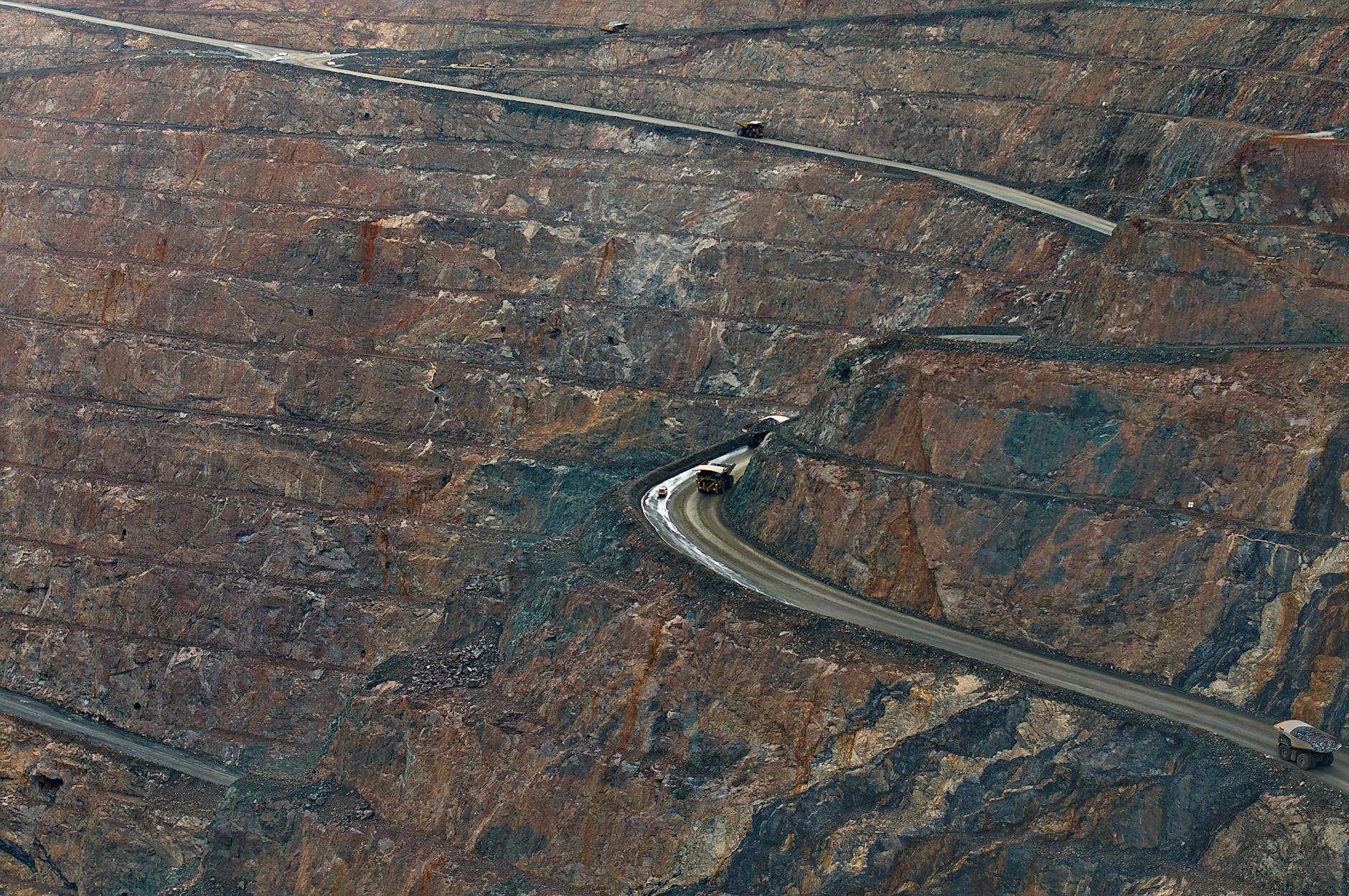
Recent data from Shanghai Metals Market show that prolonged plant maintenance in major ore‑producing regions, combined with the end of a seasonal restocking cycle, has pushed iron‑ore consumption sharply lower. The decline is most pronounced in India, where steel mills are scaling back furnace runs and postponing hot‑metal purchases. This contraction reduces the upstream cost base for carbon and alloy‑steel producers, but it also tightens the supply chain for downstream forgings that depend on a steady feedstock supply.
For forging houses, the impact is two‑fold. First, lower ore prices can translate into reduced billet and ingot costs—provided the price pass‑through is swift. Second, heightened volatility creates inventory‑management challenges: manufacturers must balance the risk of over‑stocking cheap material against the need to keep critical grades on hand for high‑volume automotive and oil‑&‑gas projects.
Implications for Forging‑Grade Steel Suppliers
Suppliers with a broad portfolio of grades and processing forms are better positioned to navigate the swing. Kesari Alloys, for example, provides a full suite of forging ingots suitable for open‑die, ring‑rolling and upsetting operations, allowing customers to switch between grades without changing suppliers forging ingots. The company's continuous‑cast billets and blooms also give OEMs the flexibility to source semi‑finished stock that can be rolled or forged in‑house, mitigating lead‑time risk continuous cast billets and blooms.
Among the grades most sensitive to ore‑price swings are medium‑carbon steels such as C45, which are widely used for crankshafts and gear shafts. Their chemistry is directly linked to the quality of the molten steel, making a stable supply of low‑impurity billets essential C45 carbon steel.
Kesari Alloys Perspective
For a forging‑grade steel manufacturer like Kesari Alloys, the current ore‑demand dip underscores the value of a diversified product line. By offering both ingots and continuous‑cast billets, Kesari can satisfy short‑run custom orders while also supporting large‑volume production runs that benefit from lower raw‑material costs. Buyers should evaluate suppliers on their ability to deliver consistent chemistry, traceability, and flexible delivery options—criteria where an established Indian manufacturer such as Kesari Alloys excels.
When sourcing alloy‑steel forging ingots in India, buyers should request mill‑test certificates, confirm that the grade matches the intended forging process, and adopt inventory strategies that reflect the volatility of the ore market.