Export Upswing and Its Ripple Effect on Forging Materials
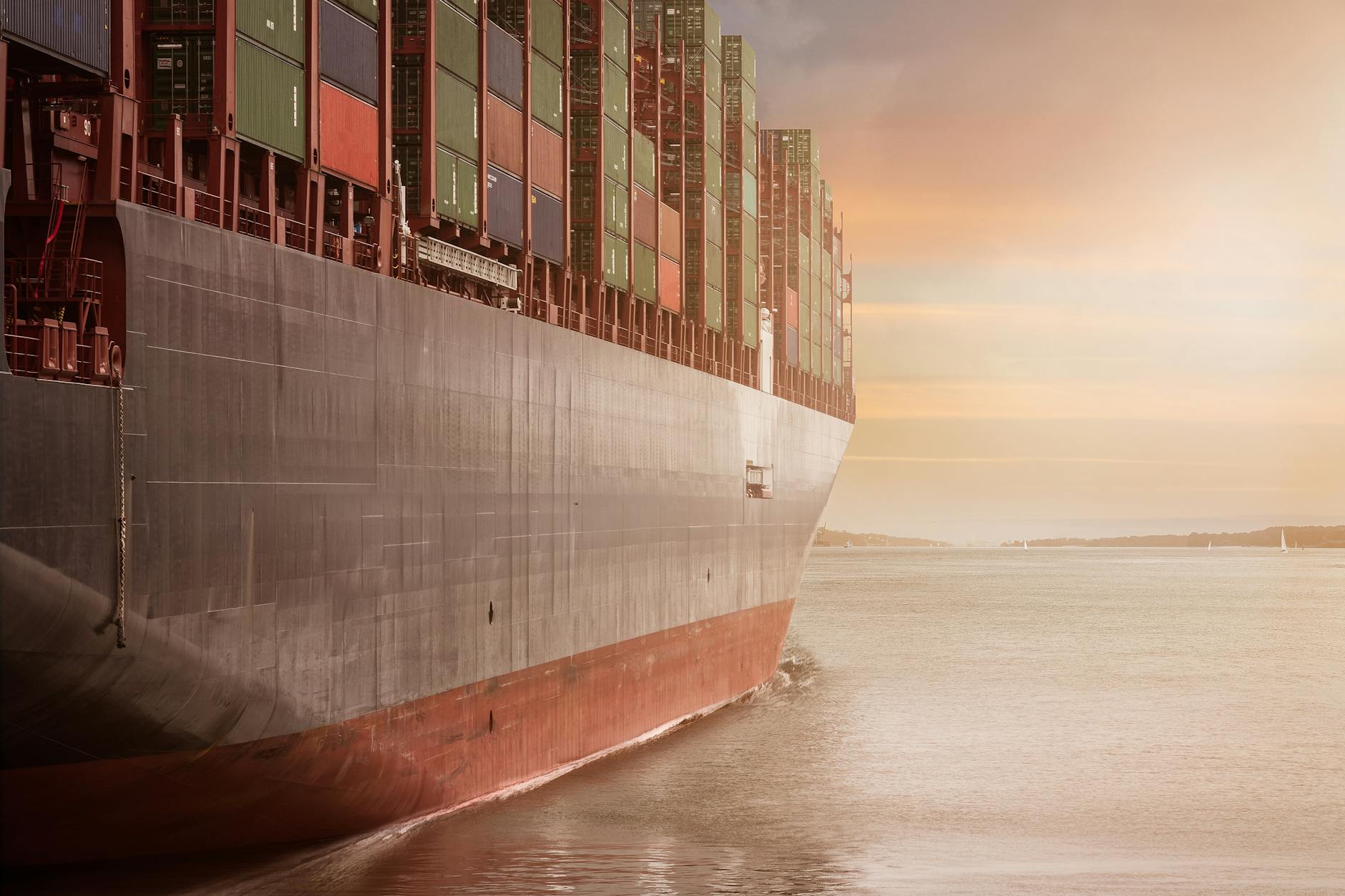
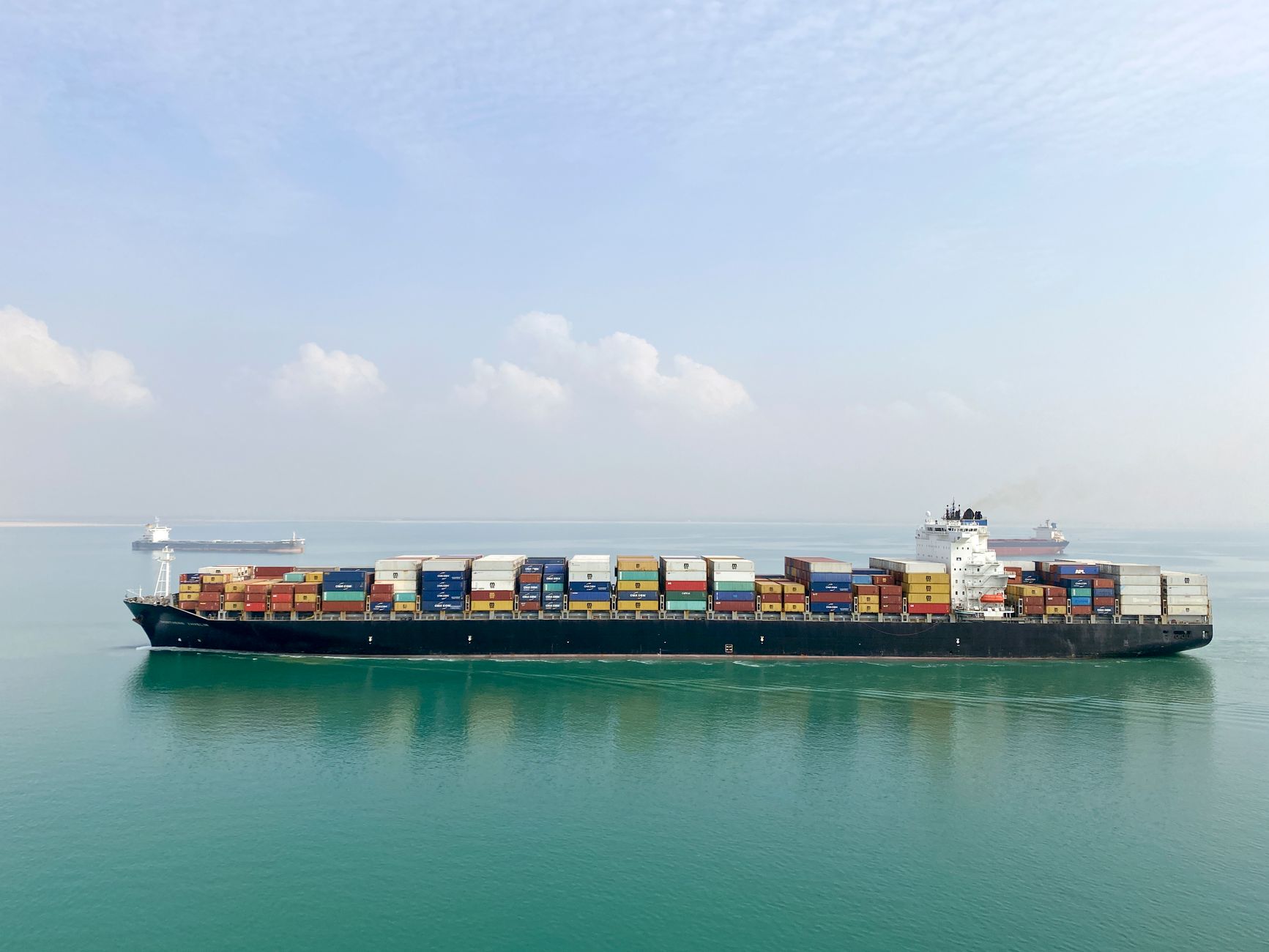
India’s first‑half FY27 data shows a record‑high net export position, driven by a sharp rise in finished‑steel shipments to the Middle East, Africa and Southeast Asia. The surge reflects higher overseas demand for construction‑grade steel and a modest dip in domestic consumption as manufacturers shift to higher‑value alloys. For forging houses, this translates into tighter availability of standard carbon billets while creating opportunities to source premium alloy ingots at more competitive freight rates.
Key drivers include the recent easing of logistics bottlenecks at major ports, a favourable rupee‑dollar spread, and the Indian government’s push to expand the export‑oriented steel corridor in Rajasthan. As OEMs in automotive and power sectors lock in material for upcoming projects, price volatility in EN8 and C45 grades—commonly used for crank‑shafts, gears and pressure‑vessel components—has intensified. Buyers are therefore scrutinising supplier lead‑times, grade certifications, and the ability to deliver both ingot and billet forms.
Implications for Material Specifiers and Distributors
Specifiers must now balance the lower freight component against the risk of domestic stock depletion. Selecting a supplier with a diversified product portfolio—offering both forged ingots and continuous‑cast billets—helps mitigate supply interruptions. In addition, the growing export flow has prompted many Indian mills to prioritize higher‑alloy grades such as 42CrMo4 or 4140, which benefits customers needing high‑strength, heat‑treatable steels.
Strategic sourcing decisions should therefore consider: (1) the grade’s suitability for open‑die forging versus ring‑rolling, (2) the form factor (ingot vs. billet) that aligns with the downstream process, and (3) the supplier’s ability to provide consistent chemistry across batches. A partner that can furnish both forging ingots and continuous cast billets offers the flexibility required to keep production lines moving.
Kesari Alloys Perspective
For a manufacturer like Kesari Alloys, India’s export momentum underscores the importance of maintaining a broad grade catalogue and multiple product forms. Their forging ingots, billets and rolled bars are engineered for open‑die, ring‑rolling and upsetting, matching the process needs highlighted by the export surge. Buyers looking for reliable sources of EN8, C45 or other alloy grades will find value in a supplier that can ship both ingot and billet formats from the same Bhiwadi facility, reducing handling complexity and lead‑time.
In practice, a buyer seeking “alloy steel forging ingots manufacturer in India” should evaluate Kesari’s grade coverage, traceability and the ability to scale output in line with fluctuating export‑driven demand. Aligning with a diversified supplier helps lock in material quality while navigating the evolving global steel‑trade landscape.