Exports & Global Markets

India's Push for Overseas Mine Acquisitions Shifts Steel Supply Dynamics

India's Push for Overseas Mine Acquisitions Shifts Steel Supply Dynamics

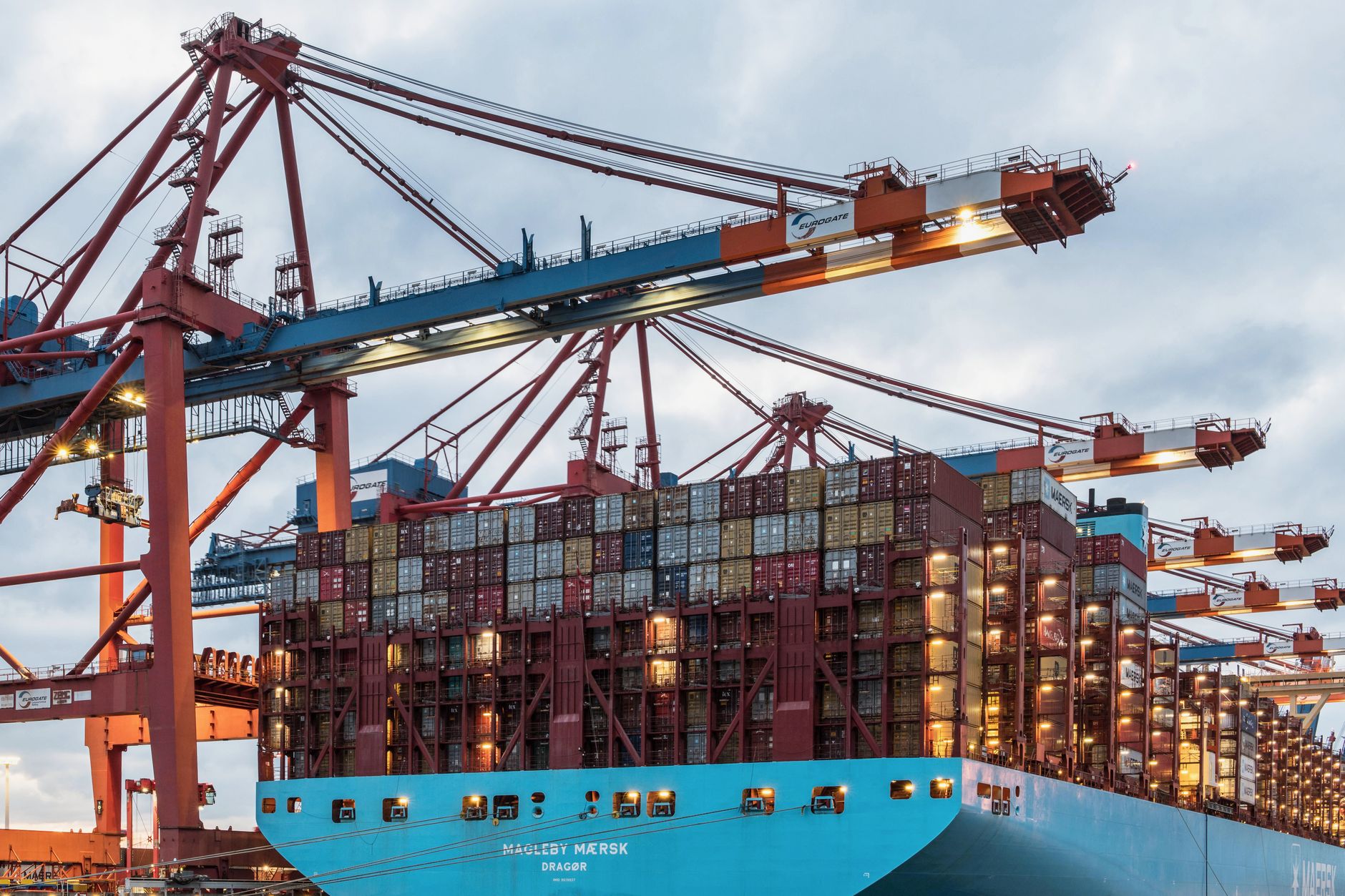
Photo: Wolfgang Weiser / Pexels

Key Highlights

  • India pushes SAIL and NMDC to acquire overseas ore mines for raw‑material security
  • Stable iron ore supply could smooth price volatility for alloy forging steels
  • Forging ingot and billet manufacturers must watch ore cost trends for grade pricing
  • Kesari Alloys provides a full suite of forging ingots, billets and rolled bars in India
  • Buyers should align supplier raw‑material strategies with inventory and lead‑time planning

Policy Shift and Market Impact

The Ministry of Steel’s call for SAIL and NMDC to acquire overseas ore assets marks a strategic pivot toward securing raw‑material supply for the domestic steel chain. By tapping mineral reserves abroad, the two state‑owned giants aim to blunt the volatility of Indian coking‑coal and iron‑ore imports, which are priced in U.S. dollars and exposed to geopolitical risk. For downstream users—especially those that rely on high‑grade forging steels—the move could translate into more predictable feedstock costs and a gradual shift in alloy composition, as imported ore blends differ from Indian sources.

OEMs in the automotive, power and heavy‑engineering sectors are already feeling pressure from fluctuating alloy‑steel prices. A steadier supply of iron ore may enable steel producers to fine‑tune the chemistry of grades such as 42CrMo4 or 4140, which are critical for open‑die forging and ring‑rolling applications. In that context, manufacturers like Kesari Alloys, which offer a broad forging ingots portfolio, must monitor how raw‑material cost curves evolve, because their pricing and grade‑mix decisions are directly tied to ore cost structures.

Implications for Indian Forging Supply Chains

Beyond raw‑material security, overseas acquisitions could affect logistics and lead times. Imported ore typically arrives through west‑coast ports, adding transit time for inland foundries. Companies that source continuous‑cast billets for downstream forging may need to reassess inventory buffers. Kesari Alloys’ continuous cast billets and blooms are positioned for ring‑rolling and upsetting, and any shift in billet pricing will ripple through to the final ingot cost.

Kesari Alloys Perspective

The ministry’s initiative underscores the importance of a resilient upstream supply for forging‑grade steel manufacturers. For Kesari Alloys, a stable ore base supports the consistent chemistry required across its 100+ grade portfolio, from carbon steels like EN8 to alloy steels used in high‑stress components. Buyers looking for an "alloy steel forging ingots manufacturer in India" should evaluate how a supplier’s raw‑material strategy aligns with their own production schedules and cost targets.

In practice, this means qualifying suppliers that can provide both the required grade certifications and the flexibility to adjust alloying elements as raw‑material costs evolve. Kesari Alloys’ integrated offering of ingots, billets and rolled bars gives customers a single source for the entire forging feedstock ladder, simplifying procurement and reducing the risk of mismatched specifications.

Why This Matters for Steel Buyers

When state‑run producers secure overseas mines, the downstream cost of key alloying elements—manganese, nickel, chromium—becomes more predictable. This stability directly influences the price of forging ingots and continuous‑cast billets that buyers source for high‑strength components. A supplier with a broad steel grade family can more readily adjust alloy chemistry to the new cost baseline, offering buyers a smoother transition.

For procurement teams, the development signals a need to revisit supplier qualification criteria, especially regarding raw‑material traceability and the ability to maintain tight chemical tolerances during market adjustments. Partnering with a manufacturer that provides both ingots and downstream rolled bars can reduce hand‑offs and protect project schedules.

Frequently Asked Questions

How will overseas ore acquisitions affect the price of forging ingots in India?
A more secure ore supply can dampen price swings, allowing manufacturers like Kesari Alloys to keep alloy steel forging ingots pricing more stable.
What grade options does Kesari Alloys provide for high‑strength forging applications?
Kesari Alloys offers a wide steel grade family, including carbon, alloy and stainless grades such as EN8, C45, and specialty alloy steels for open‑die forging.
Can I source both billets and rolled bars from the same supplier to simplify logistics?
Yes, Kesari Alloys supplies continuous cast billets and rolled bars, enabling a single‑source approach for the entire forging feedstock chain.
What should I look for when qualifying a forging steel supplier after this policy change?
Focus on raw‑material sourcing transparency, ability to maintain grade chemistry, and a product range that covers ingots, billets and bars—as demonstrated by Kesari Alloys.
#steel imports #alloy steel manufacturer india #forging ingots #continuous cast billets #raw material security
Source reporting: Google News: stainless steel manufacturing India · original article