Exports & Global Markets

India Pushes SAIL and NMDC to Secure Overseas Iron Ore, Implications for Forging Steel Supply

India Pushes SAIL and NMDC to Secure Overseas Iron Ore, Implications for Forging Steel Supply

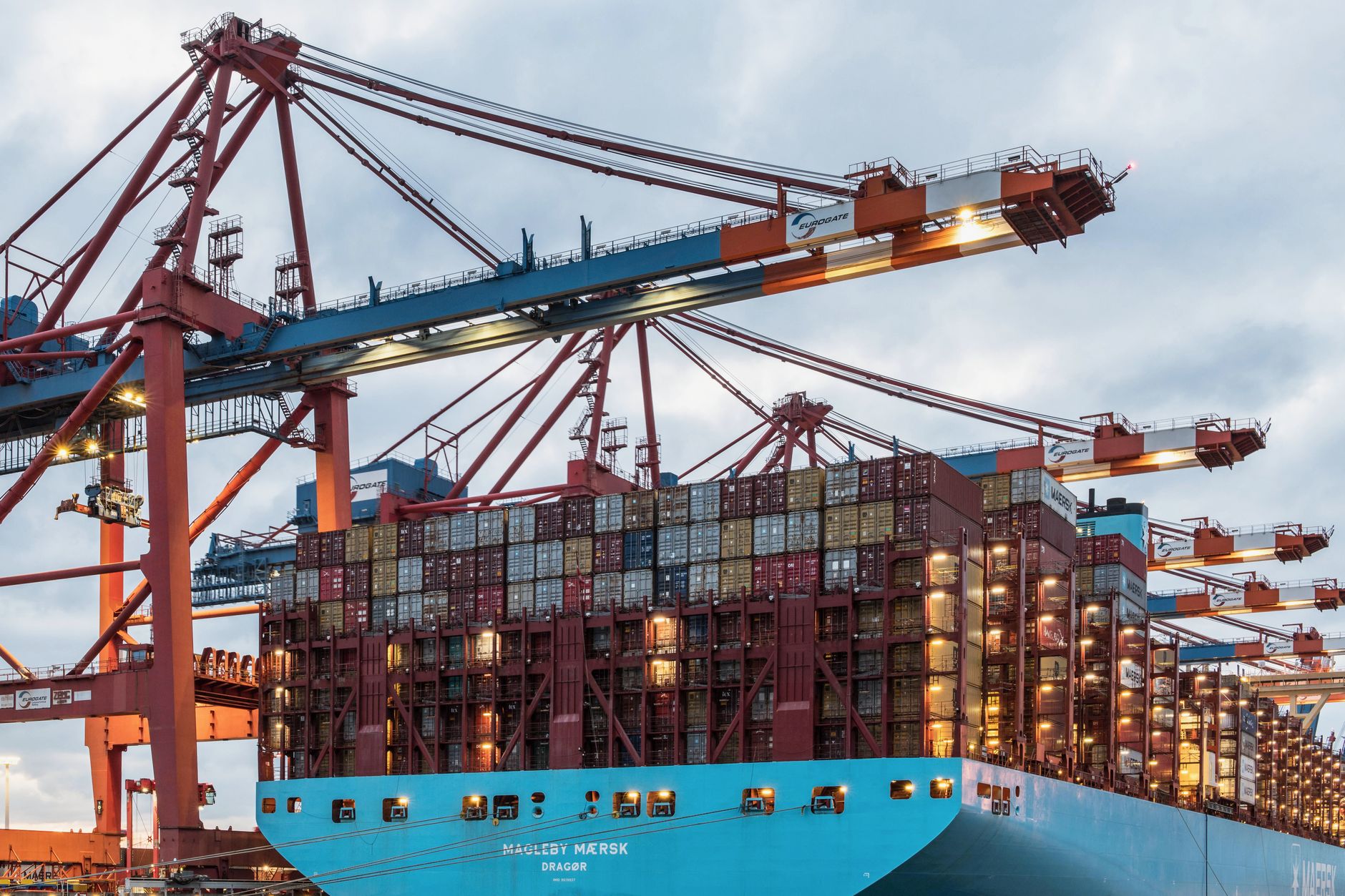
Photo: Wolfgang Weiser / Pexels

Key Highlights

  • Indian steel ministry urges SAIL and NMDC to buy overseas iron‑ore assets.
  • Securing foreign ore aims to dampen price volatility for downstream steel producers.
  • Stable raw material supply benefits forging‑grade steel manufacturers and OEMs.
  • Kesari Alloys can leverage steadier ore costs to maintain consistent forging ingot grades.
  • Buyers should align supplier sourcing strategies with inventory and lead‑time goals.

Policy Shift and Global Ore Landscape

The Ministry of Steel’s recent directive for Steel Authority of India Ltd (SAIL) and National Mineral Development Corp (NMDC) to acquire overseas iron‑ore assets marks a strategic pivot toward raw‑material security amid volatile global markets. By diversifying supply beyond domestic mines, the government aims to hedge against price spikes that have been pressuring Indian steel producers.

For forging‑focused OEMs, the move could translate into more predictable feedstock costs for carbon and alloy steel grades used in open‑die and ring‑rolling operations. When ore supply stabilises, downstream manufacturers can better manage the high‑temperature processing required for grades such as 42CrMo4 or EN8, which are essential to automotive and heavy‑engineering components.

Impact on Forging‑Grade Steel Market

Steadier ore imports smooth the price curve for billet and ingot‑type steel, benefiting buyers who source from Indian manufacturers with a broad portfolio of forging ingots and continuous‑cast billets. A reliable ore pipeline enables producers to maintain consistent chemistry—critical for meeting the tight specifications of aerospace‑grade ring‑rolled parts or high‑strength crankshafts.

Buyers should therefore evaluate suppliers that can demonstrate control over both raw‑material sourcing and downstream heat‑treatment capabilities. Companies like forging ingots that serve open‑die forging, ring rolling and upsetting can deliver the grade fidelity required when ore costs are less erratic.

Kesari Alloys Perspective

For a manufacturer such as Kesari Alloys, the Ministry’s push for overseas ore acquisition underpins a more stable supply chain for its carbon, alloy and stainless‑steel forging ingots. With a product range that includes continuous‑cast billets and blooms, Kesari can leverage steadier raw‑material costs to offer competitive pricing on grades demanded by the automotive, power and heavy‑engineering sectors.

Buyers looking for an "alloy steel forging ingots manufacturer in India" should assess how a supplier’s sourcing strategy aligns with their own inventory planning. Kesari Alloys’ long‑standing presence since 1987 and its integrated offering of ingots, billets and rolled bars position it to meet the timing and quality expectations that arise from this policy shift.
Why This Matters for Steel Buyers

A predictable ore supply reduces the risk of sudden cost spikes that would otherwise erode margins on high‑value forged components. Because buyers often lock in grades months in advance, a stable raw‑material base lets them honour contracts without frequent price renegotiations.

Choosing a supplier with a diversified raw‑material strategy—such as one that offers C45 carbon steel alongside other alloy grades—helps mitigate supply‑chain disruptions and simplifies qualification. Consistent chemistry means fewer re‑qualification tests for each new batch, accelerating time‑to‑market.

With fewer surprise price hikes, buyers can align procurement cycles with production schedules, avoiding costly last‑minute purchases or excess inventory. This predictability improves cash‑flow management and supports more accurate budgeting for forged‑component programs.

Related from Kesari Alloys: rolled bars.

Frequently Asked Questions

How will overseas ore acquisitions affect the price of forging ingots in India?
If SAIL and NMDC secure stable overseas ore, the cost of raw material for forging ingots is likely to become more predictable, reducing sudden price spikes for buyers.
What grades should OEMs watch for when raw material costs stabilise?
Grades commonly used in forging such as EN8, C45, and alloy steels like 42CrMo4 will benefit from steadier pricing, allowing OEMs to plan budgets more accurately.
Is Kesari Alloys a reliable source for consistent forging steel grades?
Yes, Kesari Alloys manufactures carbon, alloy and stainless steel forging ingots and continuous cast billets, offering a wide grade portfolio that supports consistent quality for forging applications.
What should a buyer look for in a forging‑steel supplier after this policy change?
Buyers should assess the supplier’s raw‑material sourcing strategy, grade range (including ingots, billets and bars), and ability to meet lead‑time requirements for critical forging processes.
#steel ministry policy #iron ore imports #forging ingots #alloy steel manufacturer india #raw material security
Source reporting: Google News: iron ore price India steel · original article