Exports & Global Markets

India’s Steel Ministry Pushes SAIL and NMDC to Secure Overseas Iron Ore – What It Means for Forging‑Grade Steel Buyers

India’s Steel Ministry Pushes SAIL and NMDC to Secure Overseas Iron Ore – What It Means for Forging‑Grade Steel Buyers

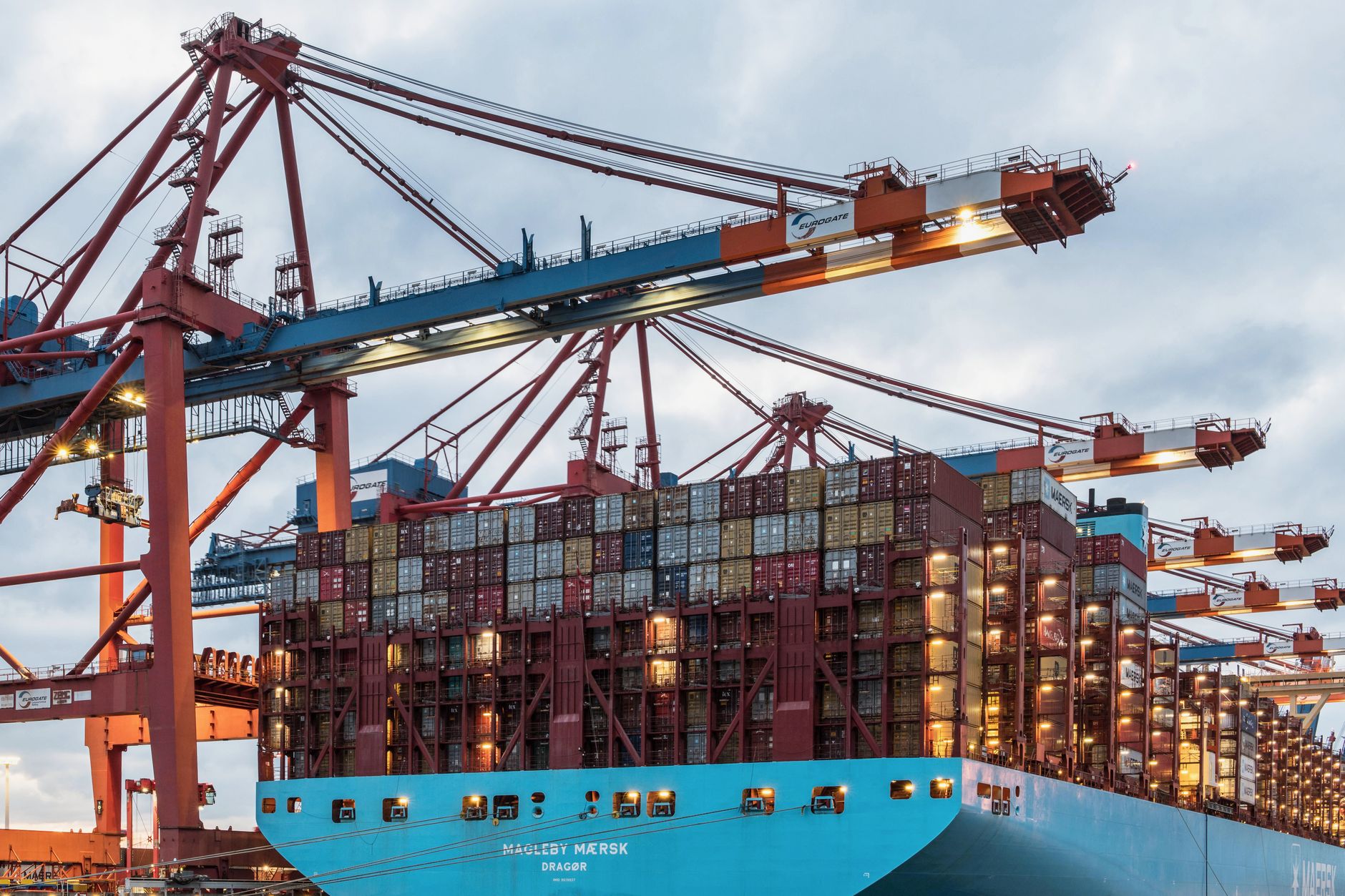
Photo: Wolfgang Weiser / Pexels

Key Highlights

  • Ministry directs SAIL and NMDC to acquire overseas iron‑ore assets for raw‑material security
  • Stabilised ore supply aims to smooth price volatility for downstream specialty steels
  • Forging‑grade buyers should watch for lagged price transmission to alloy and carbon steel grades
  • Kesari Alloys offers a full product line—ingots, billets, rolled bars—tailored to open‑die and ring‑rolling processes
  • Long‑term contracts on grades like EN8, C45 and 42CrMo4 become more viable with a secured ore base

Policy Shift and Market Ripple

The Ministry of Steel’s directive that Steel Authority of India Ltd (SAIL) and National Mineral Development Corp (NMDC) acquire overseas mineral assets responds to recent volatility in iron‑ore pricing and domestic supply constraints. By broadening the raw‑material base, the government aims to stabilise feedstock costs for integrated steel producers, which will cascade to downstream specialty‑steel segments such as forging‑grade ingots and billets.

For OEMs and forging houses, the crucial question is how quickly overseas sourcing will translate into a smoother price curve for the grades they consume. Primary steel producers will benefit from a larger ore basket, but specialty manufacturers that depend on high‑grade alloy and carbon steels—often bought as ingots for open‑die forging or continuous‑cast billets for ring rolling—must monitor the lag in price transmission and any shift in alloy‑element availability.

Implications for Forging‑Grade Steel Supply Chains

Demand for forging‑grade steel comes from automotive, power and heavy‑engineering sectors, all of which are highly sensitive to cost and material consistency. A more secure ore supply can curb abrupt price spikes, enabling buyers to lock in longer‑term contracts for grades such as 42CrMo4, EN8 or C45. Nevertheless, procurement strategies should still prioritise suppliers that can deliver heat‑treated ingots meeting tight tolerances for upset and ring‑rolling operations.

Buyers should therefore assess manufacturers on their ability to provide a full suite of forging products—from raw ingots to finished rolled bars—while maintaining full traceability of alloy chemistry. A partner that offers both forging ingots and continuous cast billets and blooms can streamline inventory management and reduce handling steps, a distinct advantage while price volatility persists.

Kesari Alloys Perspective

For a forging‑grade steel maker like Kesari Alloys, the Ministry’s move underscores the importance of a diversified raw‑material strategy. Kesari Alloys’ portfolio of carbon, alloy and stainless steel ingots is designed for open‑die forging, ring rolling and upsetting, giving customers flexibility to select the exact grade and form factor they need.

Because Kesari Alloys also supplies continuous cast billets and rolled bars, buyers can source a complete heat‑treatment chain from a single Indian manufacturer, mitigating the risk of supply interruptions that can arise from global ore‑sourcing delays. Companies looking for an "alloy steel forging ingots manufacturer in India" should therefore evaluate both the grade coverage and the downstream processing capabilities that Kesari Alloys provides.
Why This Matters for Steel Buyers

A steadier iron‑ore supply dampens sudden spikes in alloying‑element costs, giving OEMs the confidence to schedule purchases of forging‑grade ingots and billets well in advance. With less erratic pricing, buyers can negotiate longer‑term agreements for critical grades such as C45 carbon steel or EN8, locking in both chemistry and heat‑treatment specifications and protecting project margins.

Securing a reliable supplier that delivers both raw ingots and downstream rolled bars simplifies inventory planning. Buyers can align procurement cycles with production schedules, avoid juggling multiple contracts, and reduce lead‑time risk—an especially valuable advantage when the market is still adjusting to new ore‑sourcing policies.

Frequently Asked Questions

How will overseas ore sourcing affect the price of forging‑grade alloy steels?
A broader ore base should dampen extreme price swings, giving buyers a more predictable cost curve for alloy grades used in forging ingots.
What form factors should a forging OEM prioritize when the market is volatile?
Choosing manufacturers that supply both [[L1|forging ingots]] and [[L3|continuous cast billets and blooms]] lets OEMs match the exact shape needed for upset or ring‑rolling, reducing handling and inventory risk.
Can Kesari Alloys meet the alloy chemistry requirements for high‑strength automotive components?
Yes, Kesari Alloys’ alloy‑steel forging ingots portfolio includes grades such as 42CrMo4 and other heat‑treated alloys that meet automotive strength and toughness specifications.
What should a buyer look for in a supplier’s quality system when sourcing forging steels?
Buyers should verify consistent chemical composition, heat‑treatment traceability, and the ability to deliver both ingots and rolled bars from the same mill, as Kesari Alloys does.
#steel ministry #iron ore security #forging ingots #alloy steel manufacturer india #continuous cast billets
Source reporting: Google News: iron ore price India steel · original article