Market Shift Overview
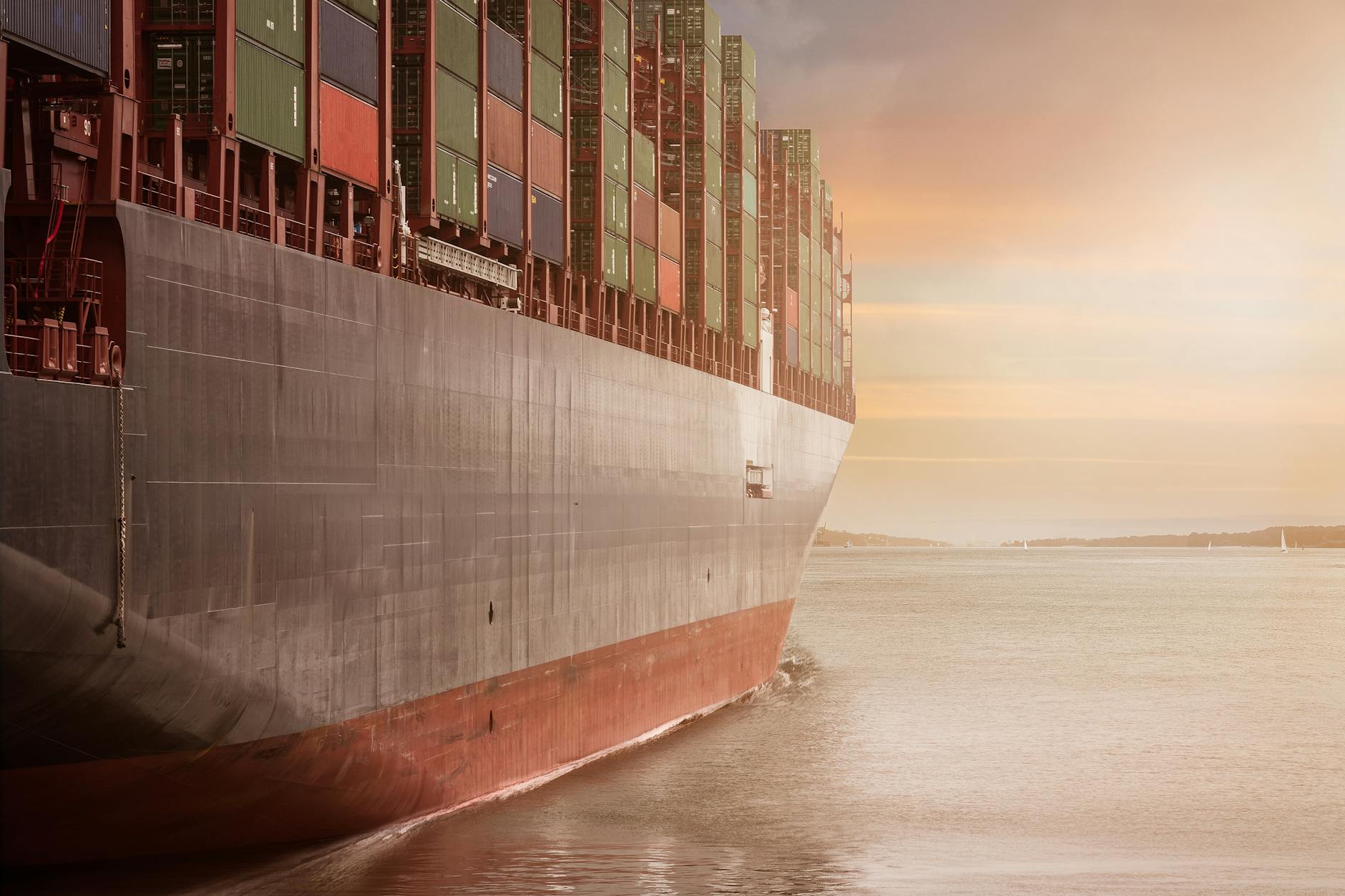
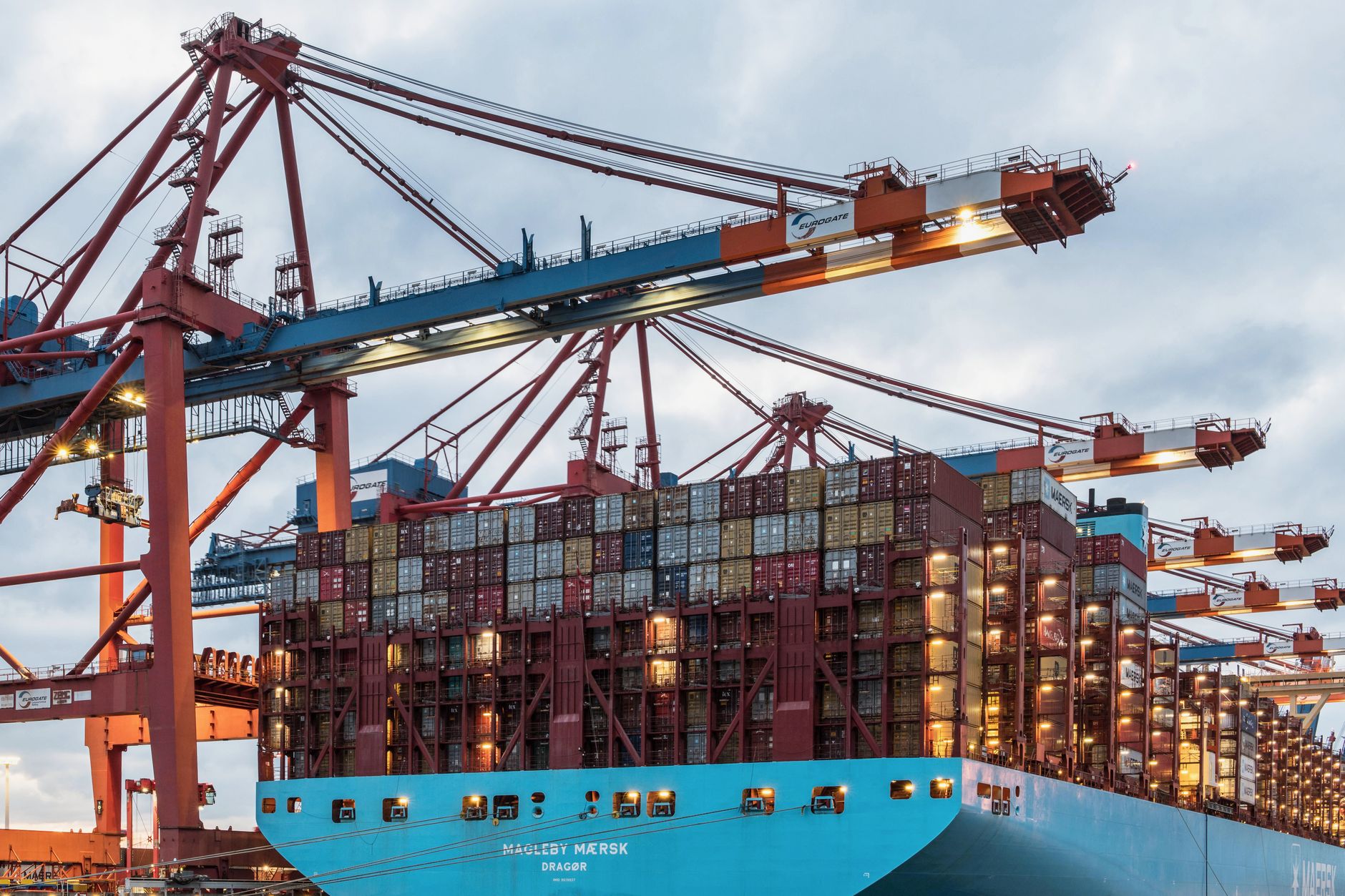
The European Union’s steel sector now faces a triple squeeze: soaring energy costs, new anti‑dumping tariffs, and an influx of low‑priced Chinese product. These pressures have slashed EU steel export volumes, compelling manufacturers to rethink pricing, inventory levels, and the geographic mix of their raw‑material sources.
For forging and heavy‑engineering OEMs, the immediate effect is a tighter supply of high‑grade alloy and carbon steels that meet exacting heat‑treatment and mechanical‑property specifications. While European producers scramble to absorb higher electricity costs, many buyers are turning to alternative sources that can guarantee consistent chemistry and predictable heat‑treatment response, especially for open‑die and ring‑rolling applications.
Implications for Forging Grade Selection
When EU output contracts, the price gap between European alloy steels and Indian‑origin grades widens, creating an opportunity to evaluate Indian manufacturers that specialise in forging‑ready ingots and billets. For instance, a 42CrMo4‑type alloy can be sourced as a high‑purity forging ingot from a reputable Indian supplier, delivering the tensile strength and toughness required for crankshafts and gear blanks.
Continuous‑cast billets and blooms also remain versatile feedstock for both forging and subsequent rolling operations. Choosing a billet with tightly controlled chemistry reduces the need for secondary alloying and helps maintain tight tolerances throughout downstream processes.
Kesari Alloys Perspective
Kesari Alloys, operating from Bhiwadi, Rajasthan, offers a broad portfolio of carbon, alloy and stainless‑steel forging ingots that are specifically formulated for open‑die forging, ring rolling and upsetting. Buyers looking to offset EU supply constraints can source these ingots directly, benefiting from the company’s long‑standing expertise since 1987.
In parallel, the company’s continuous cast billets and blooms provide a reliable bridge between ingot casting and final forged components, allowing OEMs to maintain production cadence without the volatility seen in European markets. For applications that demand a proven carbon steel, the C45 carbon steel grade page details chemistry and heat‑treatment windows that align with typical automotive and machinery shafts. By partnering with a domestic alloy‑steel forging ingot manufacturer in India, purchasers can mitigate energy‑cost‑driven price spikes and secure a stable supply chain for critical forging projects.