Export‑Driven Profit Upswing at Jindal Stainless
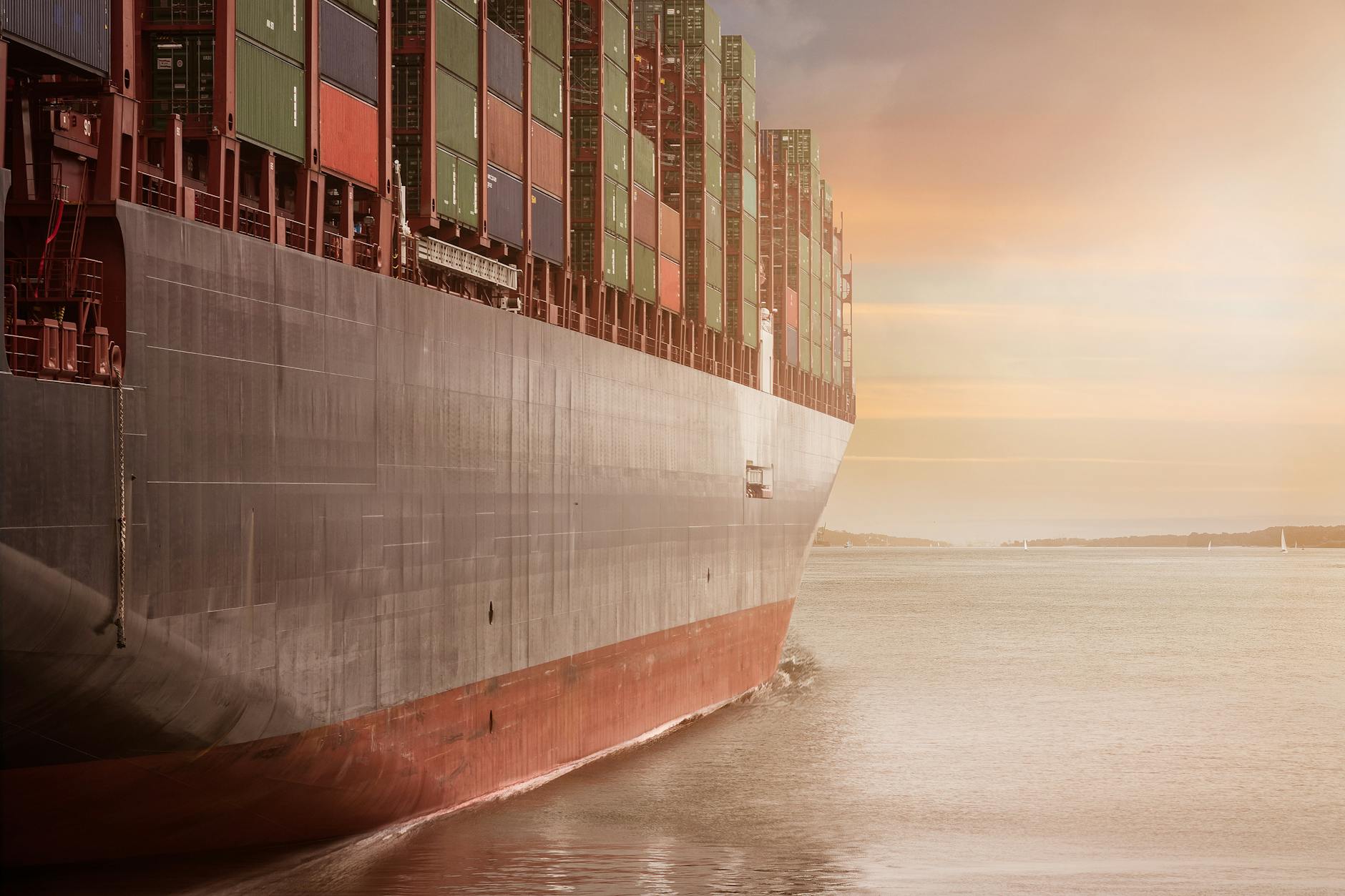
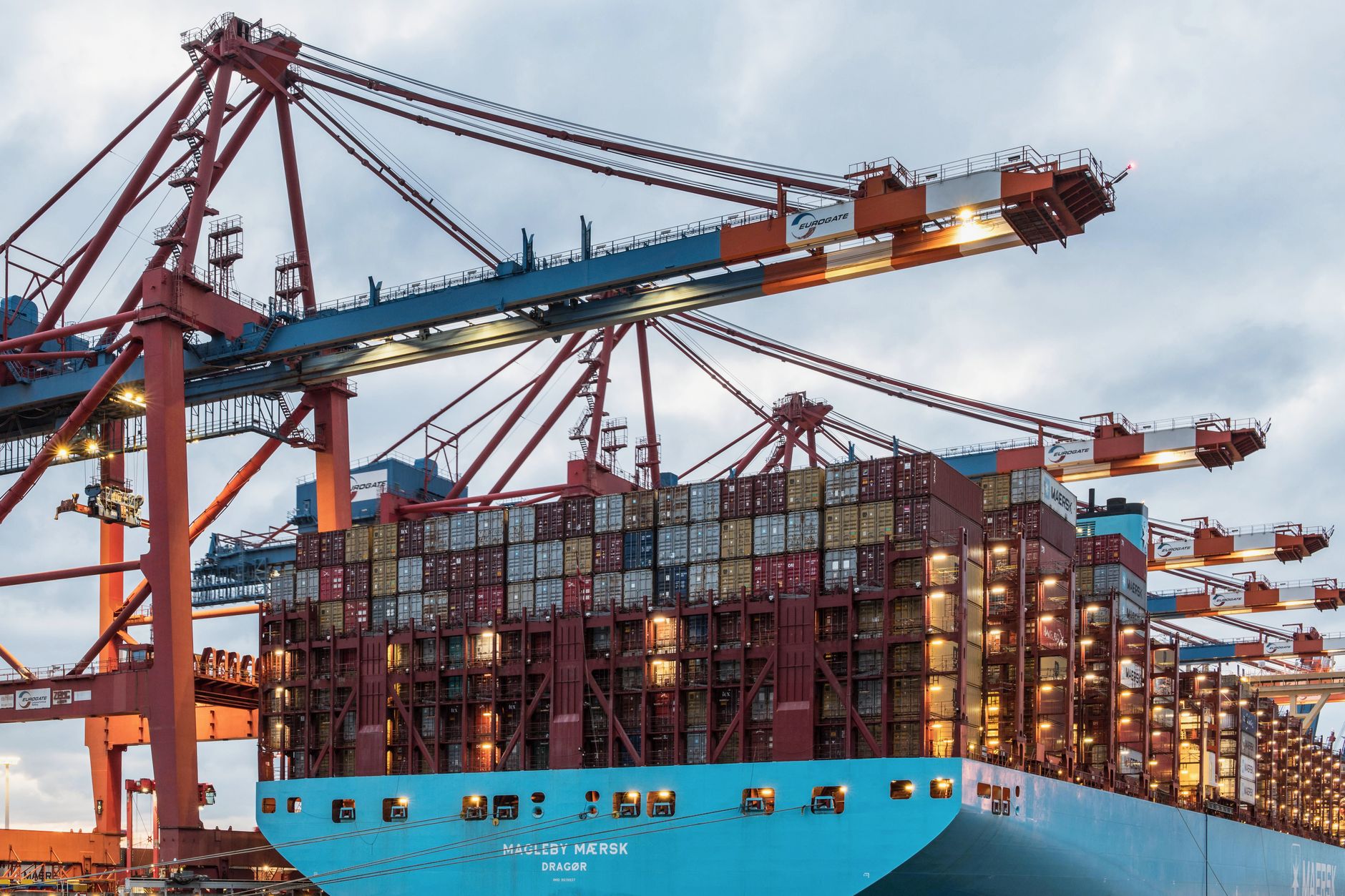
Jindal Stainless posted a quarterly profit that beat analysts’ forecasts, driven mainly by a sharp increase in overseas shipments of stainless flat products and long‑products. A weaker rupee made Indian‑made stainless more price‑competitive in Europe, the Middle East and Southeast Asia, while higher freight capacity and a rebound in automotive and construction demand abroad added to the upside.
Although Jindal’s gains are centred on stainless grades, the export momentum is reshaping supply‑chain dynamics for all high‑performance steel used in forging, pressure vessels and heavy engineering. Buyers are reassessing inventory levels and seeking suppliers who can replicate the price advantage without compromising the strict chemical and mechanical specifications required for open‑die forging and ring‑rolling applications. In this context, manufacturers that offer a full suite of carbon, alloy and stainless forging ingots, such as forging ingots, become strategic partners for OEMs looking to lock in material costs while diversifying their source base.
Industry Ripple Effects on Forging Material Sourcing
The surge in stainless exports is prompting a parallel rise in demand for alloy and carbon grades that complement stainless in mixed‑material assemblies. Components that combine stainless housings with carbon‑steel shafts, for example, need seamless transitions in material properties, driving interest in continuous‑cast billets and blooms that can be rolled or forged to exact tolerances. Suppliers that provide continuous cast billets with consistent chemistry are better positioned to meet the tighter lead‑times exporters now expect.
Specific grades such as C45 are also seeing renewed attention for gear and crankshaft applications where cost‑effective carbon steel is paired with higher‑alloyed stainless components. Detailed grade data—including chemistry and heat‑treatment windows—help buyers evaluate trade‑offs between performance and price in a volatile market.
Kesari Alloys Perspective
For a forging‑grade steel manufacturer like Kesari Alloys, the export‑led price advantage enjoyed by Jindal Stainless underscores the importance of offering a broad, well‑documented portfolio. Kesari’s capability to supply carbon, alloy and stainless forging ingots, along with continuous cast billets and rolled bars, enables customers to source multiple material families from a single, reliable Indian producer. Buyers looking for an "alloy steel forging ingots manufacturer in India" can therefore align their procurement strategy with a partner that understands the interplay between export dynamics and domestic material availability.
In practice, this means evaluating the specific grade—whether it’s a high‑strength alloy for aerospace‑grade forgings or a robust carbon steel like C45 carbon steel for heavy‑duty shafts—against the backdrop of fluctuating export pricing. Kesari Alloys’ transparent grade specifications and proven forging‑ready product forms help OEMs mitigate risk while capitalising on the current market tailwinds.