Policy Overview and Industry Implications
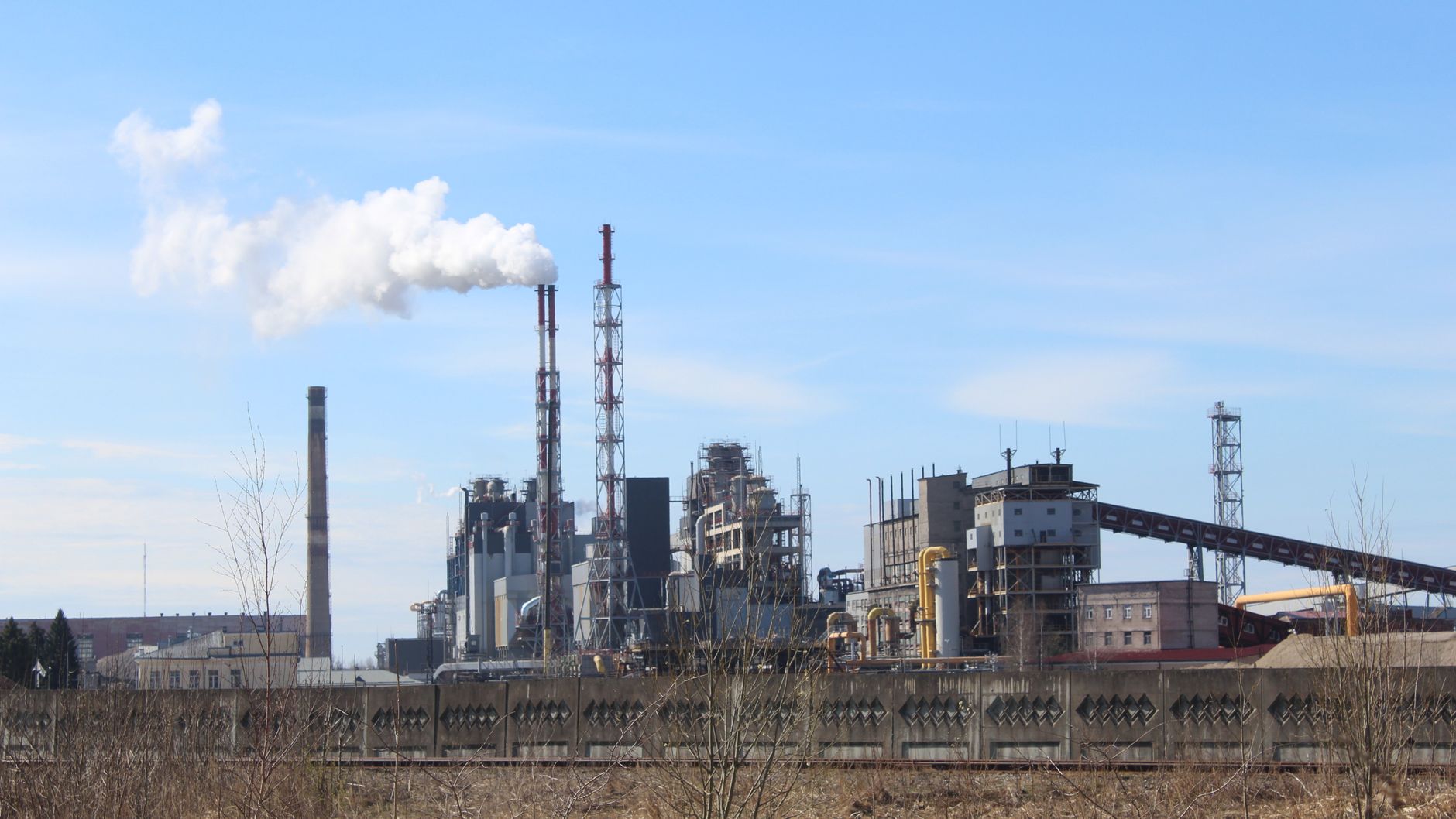
The government’s draft steel policy aims to raise domestic crude‑steel capacity to 604 million tonnes by 2047 – roughly 150 million tonnes above today’s level. Reaching that target will require a matching rise in iron‑ore imports, which will push ore prices higher and tighten raw‑material logistics throughout the supply chain.
For OEMs that depend on forging, the policy’s focus on capacity translates into stiffer competition for high‑grade alloy billets and ingots. As steelmakers scale up, specialty grades – such as the alloy steels used in crankshafts, gear blanks and pressure‑vessel components – are likely to become more price‑sensitive. Buyers will need to evaluate melt‑control, chemical consistency and heat‑treatment capabilities when qualifying suppliers.
Strategic Sourcing Considerations
Companies that rely on open‑die forging or ring‑rolling must align their material strategy with the expected volatility in ore prices. Choosing a supplier with a broad grade portfolio reduces the risk of sudden shortages in specific alloys. For instance, being able to source both carbon and alloy forging ingots from a single vendor simplifies inventory planning and cuts change‑over time on the shop floor.
Kesari Alloys, operating from Bhiwadi, Rajasthan, offers a comprehensive range of forging ingots for open‑die, ring‑rolling and upsetting processes. Its catalog spans more than 100 grades, enabling OEMs to meet exact mechanical requirements without juggling multiple vendors. Buyers searching for an "alloy steel forging ingots manufacturer in India" will find the depth of Kesari’s offering especially relevant.
Kesari Alloys Perspective
The policy‑driven capacity push is likely to increase demand for higher‑quality forging inputs. Kesari Alloys’ extensive ingot line, backed by in‑house quality control, positions it to serve OEMs that require consistent chemistry for critical components. As ore costs rise, manufacturers will look to optimise material utilisation; Kesari’s ability to supply both standard grades and custom‑spec alloys helps customers balance cost and performance.
In addition, the company’s continuous‑cast billets and rolled bars complement its ingot business, providing a seamless supply chain for customers who need downstream processing such as machining or heat‑treatment. Strategic buyers should evaluate the full suite of products—from forging ingots to continuous cast billets and blooms—to build a resilient material base under the new policy environment.

