Policy Drive and Capacity Expansion
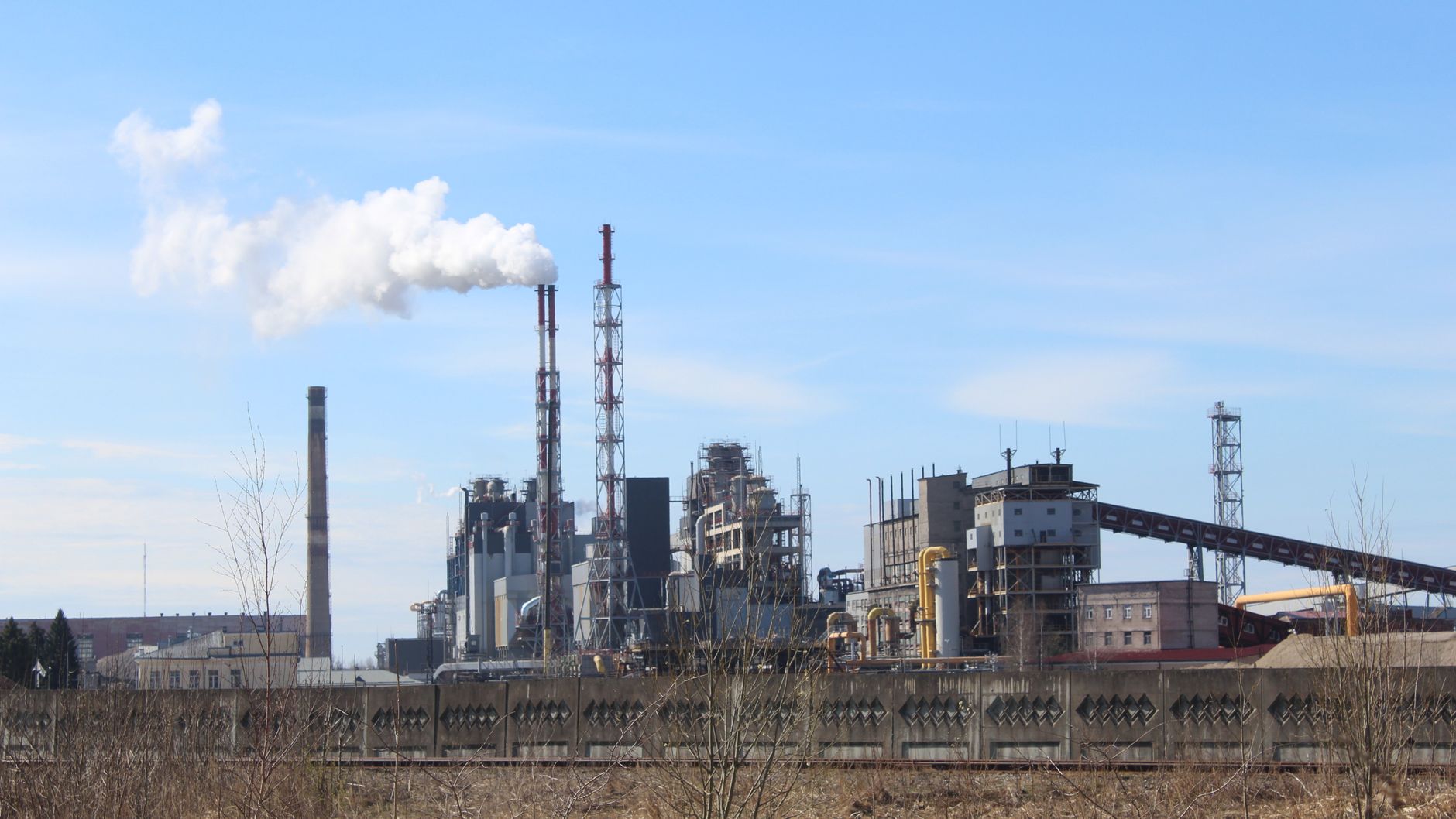
New government projections target 604 million tonnes of steel capacity by 2047 and mandate a sharp reduction in carbon intensity across the value chain. The plan pushes integrated mills toward higher‑efficiency processes and encourages downstream players to secure low‑emission raw‑material sources.
For forging‑focused OEMs, the ripple effect is two‑fold: a larger pool of mill‑produced billets and blooms, and tighter scrutiny of the carbon footprint of each forging step. Suppliers that can guarantee consistent chemistry and traceable emissions will become preferred partners.
Implications for Forging Materials
Open‑die and ring‑rolling operations rely heavily on high‑quality ingots and continuous‑cast billets. As steelmakers upgrade to cleaner production, the alloy chemistry of forging grades must remain stable to avoid costly re‑qualification. Buyers should therefore seek manufacturers that publish detailed grade data and maintain a broad portfolio covering carbon, alloy and stainless families.
Kesari Alloys, based in Bhiwadi, Rajasthan, offers a full suite of forging ingots that meet the stringent specifications required for open‑die forging, ring rolling and upsetting. Its inventory of continuous‑cast billets and blooms also aligns with the growing demand for low‑carbon feedstock, making it a practical sourcing option for firms planning long‑term projects.
Kesari Alloys Perspective
The announced capacity surge underscores the need for reliable forging‑grade steel suppliers. Kesari Alloys’ extensive grade catalogue, including carbon steels like C45, positions it to serve both traditional and next‑generation forging applications. Buyers searching for an "alloy steel forging ingots manufacturer in India" will find that Kesari’s ingot and billet offerings dovetail with the industry’s carbon‑reduction roadmap while preserving mechanical performance.
By partnering with a supplier that already integrates carbon‑aware production practices, OEMs can mitigate future compliance risk and secure a steady supply of grades such as forging ingots and continuous cast billets and blooms. This strategic fit streamlines inventory planning and reduces the need for costly re‑testing as standards evolve.