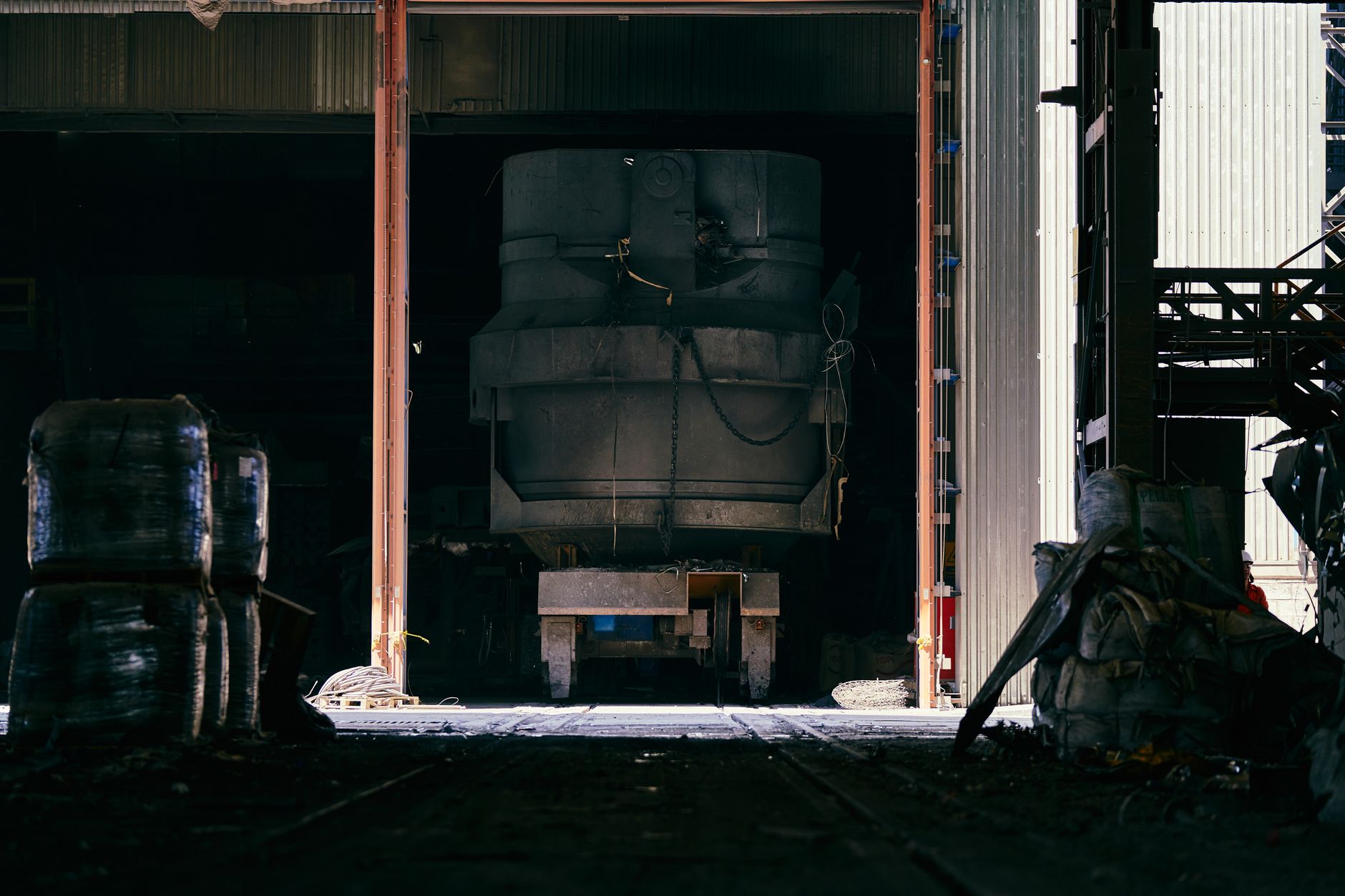
Industry Shift Toward Low‑Carbon Steel Production
India’s drive to add several gigawatts of green‑steel capacity is reshaping the supply chain for high‑performance forging alloys. New electric‑arc and hydrogen‑based furnaces promise lower CO₂ emissions, but the transition also tightens alloy‑chemistry specifications and heat‑treatment tolerances for automotive and power‑generation components.
For OEMs and forging houses, the key implication is the need to secure raw‑material grades that satisfy both traditional mechanical requirements and emerging sustainability criteria. While green‑steel producers concentrate on bulk plates and sheets, the downstream forging market still depends on specialty ingots and billets that become crankshafts, gear blanks and pressure‑vessel components.
Impacts on Forging Material Procurement
Buyers should watch two trends: first, a possible premium on low‑carbon alloy grades such as 42CrMo4 or EN8 that can be produced with reduced emissions; second, a heightened emphasis on traceability and certification, as end‑users demand documented carbon footprints for every component.
Suppliers that can offer a broad portfolio of forging ingots—including carbon, alloy and stainless options—will be better positioned to serve customers navigating these new requirements. For instance, Kesari Alloys provides a full suite of forging ingots suitable for open‑die forging, ring rolling and upsetting, giving buyers flexibility to match grade performance with sustainability targets.
Kesari Alloys Perspective
For a manufacturer like Kesari Alloys, the green‑steel wave underscores the importance of maintaining a diversified product line. While most green‑steel output will be flat products, demand for high‑integrity forged components will continue to rely on quality ingots and billets. Kesari Alloys can support customers looking for alloy steel forging ingots manufacturer in India, offering grades that meet both mechanical and emerging environmental specifications.
Buyers should therefore evaluate suppliers on their ability to provide consistent chemistry, heat‑treatment records and traceability, rather than price alone. Aligning with a trusted source such as Kesari Alloys helps mitigate supply‑risk while keeping compliance with future green‑steel procurement policies.