Exports & Global Markets

EU Steel Export Decline Pressures Global Forging Supply Chains

EU Steel Export Decline Pressures Global Forging Supply Chains

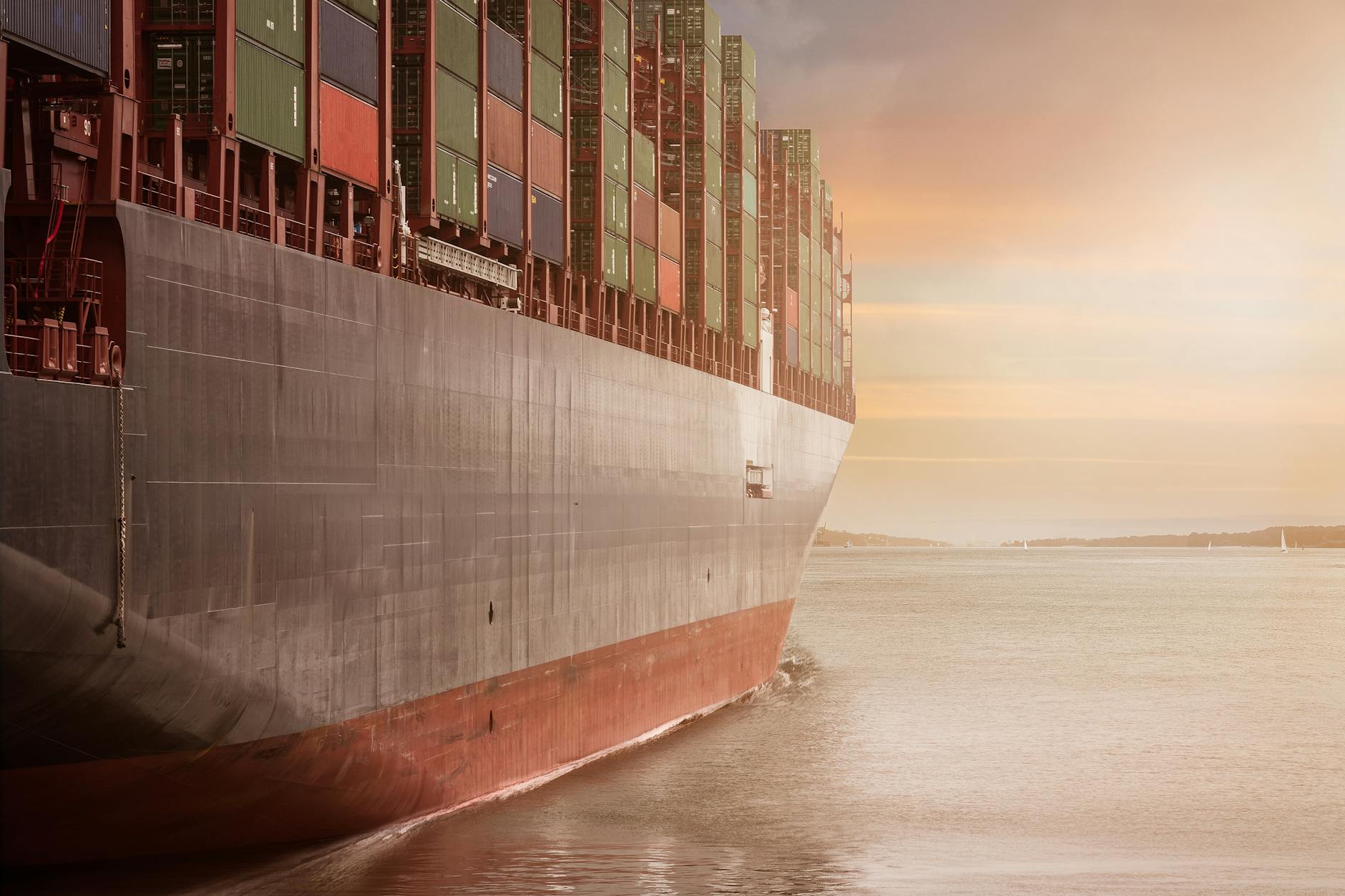
Photo: Marcello Sokal / Pexels

Key Highlights

  • EU steel exports fell 20% YoY in H1 2026, tightening global supply.
  • Reduced EU flow pushes OEMs to seek alternative forging material sources.
  • Kesari Alloys offers forging ingots and billets that match common EU grades.
  • C45 carbon steel from Kesari provides a direct substitute for many EU specs.
  • Supply‑chain resilience now hinges on diversified sourcing and traceability.

Market Shift Overview

Eurofer’s latest data show a 20 % year‑on‑year decline in EU steel exports for the first half of 2026. The drop stems from tighter environmental regulations, a slower rebound in automotive production, and a strategic shift toward domestic value‑added processing. For OEMs and forging houses that depend on imported EU grades, the reduced flow tightens inventory buffers and forces a reassessment of source diversification.

Implications for Forging Materials

With fewer EU billets and ingots reaching the market, manufacturers are looking to alternative suppliers that can meet the same chemical and mechanical specifications for open‑die forging, ring rolling, and upsetting. Indian producers such as Kesari Alloys offer a well‑established portfolio of carbon, alloy and stainless steel forging ingots that align with the performance envelope of many EU grades. When substituting EU‑origin material, buyers should compare alloy chemistry, heat‑treatment capability and certification compliance.

Supplier Selection Criteria

Key considerations include consistent grade certification, full traceability, and the capacity to ship continuous‑cast billets or forged ingots that meet the dimensional tolerances required for high‑volume production. For example, the forging ingots offered by Kesari Alloys are engineered for open‑die and ring‑rolling applications, making them a practical alternative for customers previously reliant on EU supplies.

Grade‑Specific Opportunities

Mid‑range carbon steels such as C45 remain a workhorse for crankshafts, gears and general‑purpose forgings. The C45 carbon steel grade page details chemistry and heat‑treatment options that match many European specifications, allowing a smoother transition for design engineers.

Kesari Alloys Perspective

The EU export dip underscores the strategic advantage of sourcing from a manufacturer with a broad grade matrix and integrated casting capabilities. Kesari Alloys, operating out of Bhiwadi, Rajasthan, can supply both forging ingots and continuous‑cast billets that feed downstream rolling or forging operations. Buyers looking for an "alloy steel forging ingots manufacturer in India" will find that Kesari’s product breadth and long‑standing industry experience help mitigate supply‑chain shocks while preserving material performance.

In practice, this means forging shops can lock in grades like C45 or EN8 from Kesari Alloys, align heat‑treatment cycles with existing process windows, and reduce the lead‑time uncertainty that has risen after the EU export slump.
Why This Matters for Steel Buyers

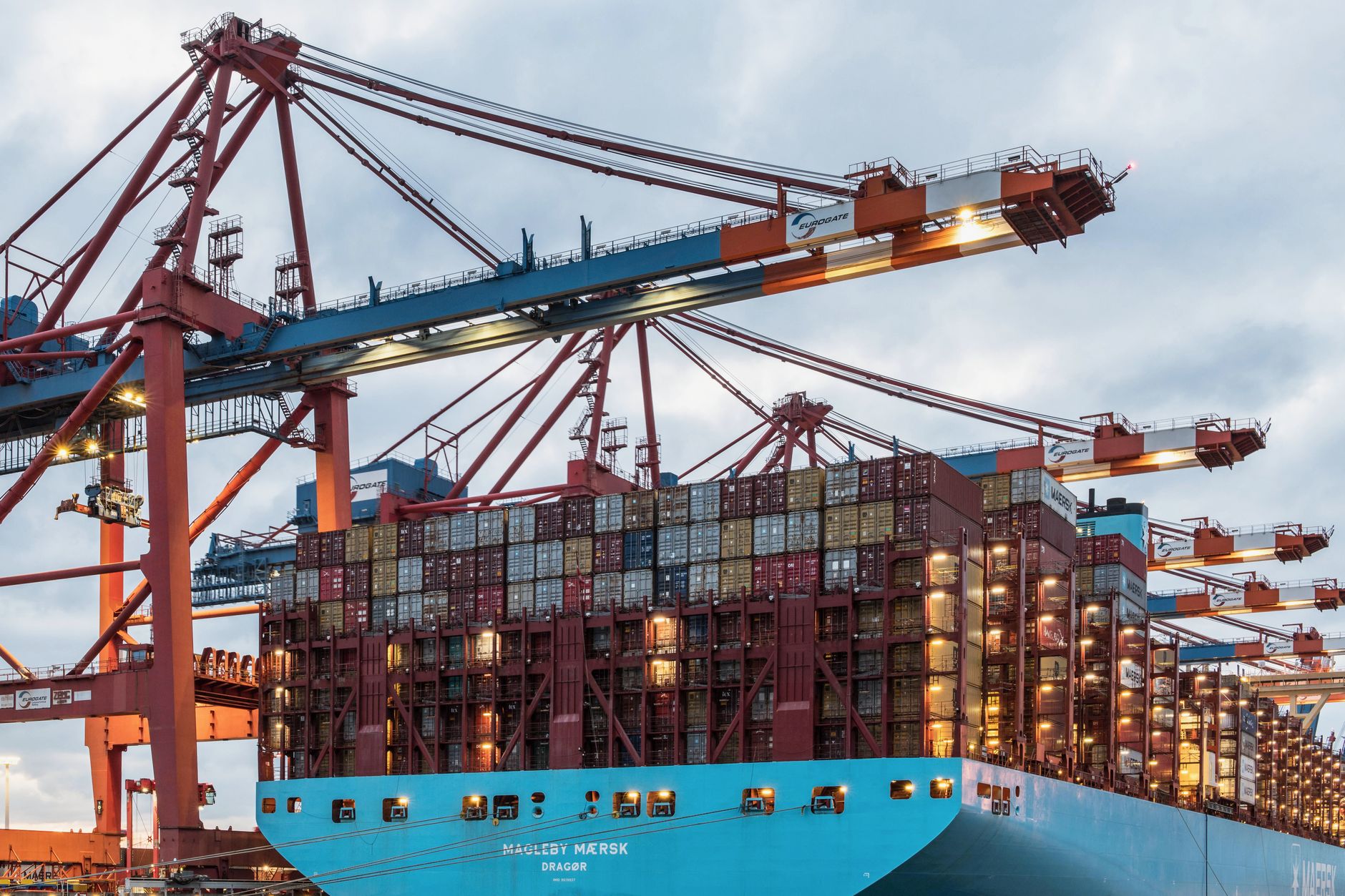
The 20 % contraction in EU steel exports is already tightening supply, which drives up spot prices and extends lead times for buyers who rely on European billets. By qualifying a secondary source now, manufacturers can secure a predictable flow of material, avoid production bottlenecks, and lock in pricing before any further scarcity pushes European offers into the premium tier.

Kesari Alloys’ continuous cast billets and blooms are manufactured to standards that satisfy both forging and rolling specifications. Their availability provides a dependable fallback when EU billets are scarce, allowing firms to maintain schedule integrity for automotive and pressure‑vessel programs.

In addition, diversifying to an Indian supplier creates the potential for cost savings as European producers rebalance capacity and may raise prices to cover under‑utilised assets. A qualified alternative therefore not only safeguards supply but also positions buyers to capture a more favorable cost structure while remaining compliant with industry‑specific quality requirements.

Frequently Asked Questions

How does the EU export decline affect price stability for forging grades?
Reduced EU supply can lift spot prices and increase volatility, prompting buyers to lock in contracts with alternative producers such as Kesari Alloys.
Can Kesari Alloys’ forging ingots replace European 42CrMo4 grades?
Yes, Kesari’s alloy forging ingots cover similar chemistry and can be heat‑treated to meet the performance of many European alloy grades.
What should a buyer verify when switching from EU billets to Indian billets?
Check certification, chemical composition, dimensional tolerances, and the supplier’s track record for consistent quality – all of which Kesari Alloys documents on its billet page.
Is Kesari Alloys a viable source for C45 carbon steel forgings?
Kesari Alloys manufactures C45 carbon steel ingots and billets that meet standard specifications, making it a practical alternative for OEMs seeking reliable carbon‑steel forgings.
#steel exports #forging ingots #alloy steel manufacturer india #continuous cast billets #global steel market
Source reporting: Google News: steel export India global markets · original article