Industry Outlook
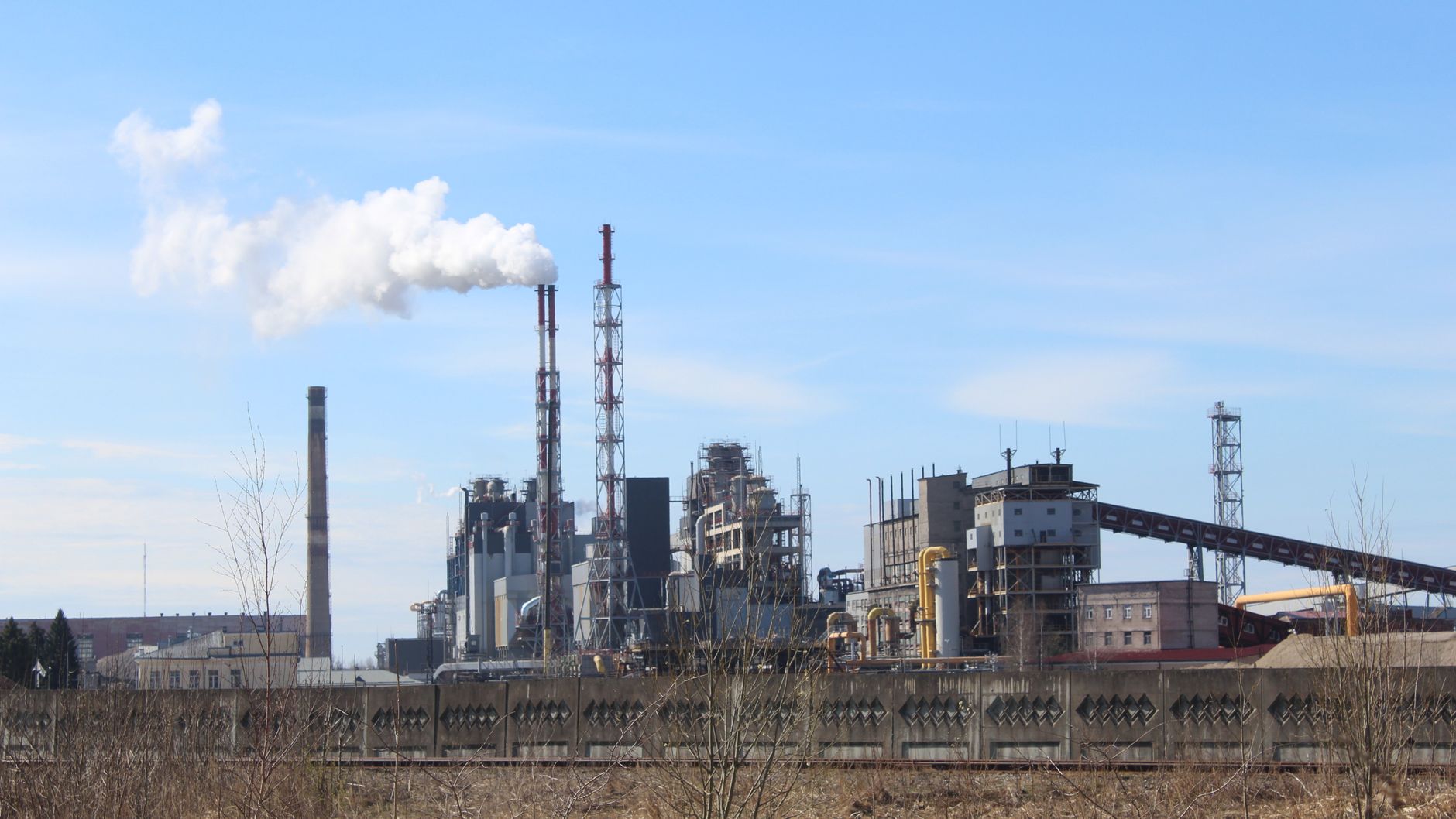
The mjSTEELATHON conference underscored a growing trend among Central Indian steel producers to form joint ventures, share R&D resources, and pool procurement. The aim is to blunt raw‑material price swings and meet stricter emission standards. Participants agreed that coordinated capacity expansion—particularly in specialty‑alloy lines—will be critical for downstream forging houses and automotive OEMs that are demanding ever‑higher strength‑to‑weight ratios.
For forging operations, this translates into a more reliable supply of high‑grade billets and ingots as steelmakers move toward standardized melt chemistries across regions. The shift also aligns with India’s broader push for localized sourcing, which reduces dependence on imports and shortens lead times for mission‑critical components.
Implications for Forging Material Sourcing
Buyers should monitor the formation of new consortia that provide integrated product ladders—from carbon grades such as EN8 to alloy steels like 42CrMo4—delivered through shared logistics hubs. The ability to procure both forging ingots and continuous cast billets from a single supplier simplifies quality‑control audits and enhances traceability for pressure‑vessel and heavy‑engineering projects.
Kesari Alloys Perspective
Kesari Alloys, with its long‑standing presence in Bhiwadi, Rajasthan, is well placed to benefit from these collaborations. Its portfolio spans the full steel grade family, allowing customers to choose the exact chemistry needed for open‑die forging, ring rolling or upsetting. By aligning with regional steel alliances, Kesari can deliver consistent melt quality and faster lead times—an advantage for OEMs that plan multi‑year production runs.
For buyers evaluating an "alloy steel forging ingots manufacturer in India," Kesari’s integrated offering of ingots, billets and rolled bars provides a single‑source solution that reduces inventory complexity while meeting stringent specification requirements.