Manufacturing & Technology
Carbon Capture Trial at Blast Furnaces Shifts Steelmaking Cost Dynamics
28 Sep 2026•28 September 2026•2 min read•Source: Google News
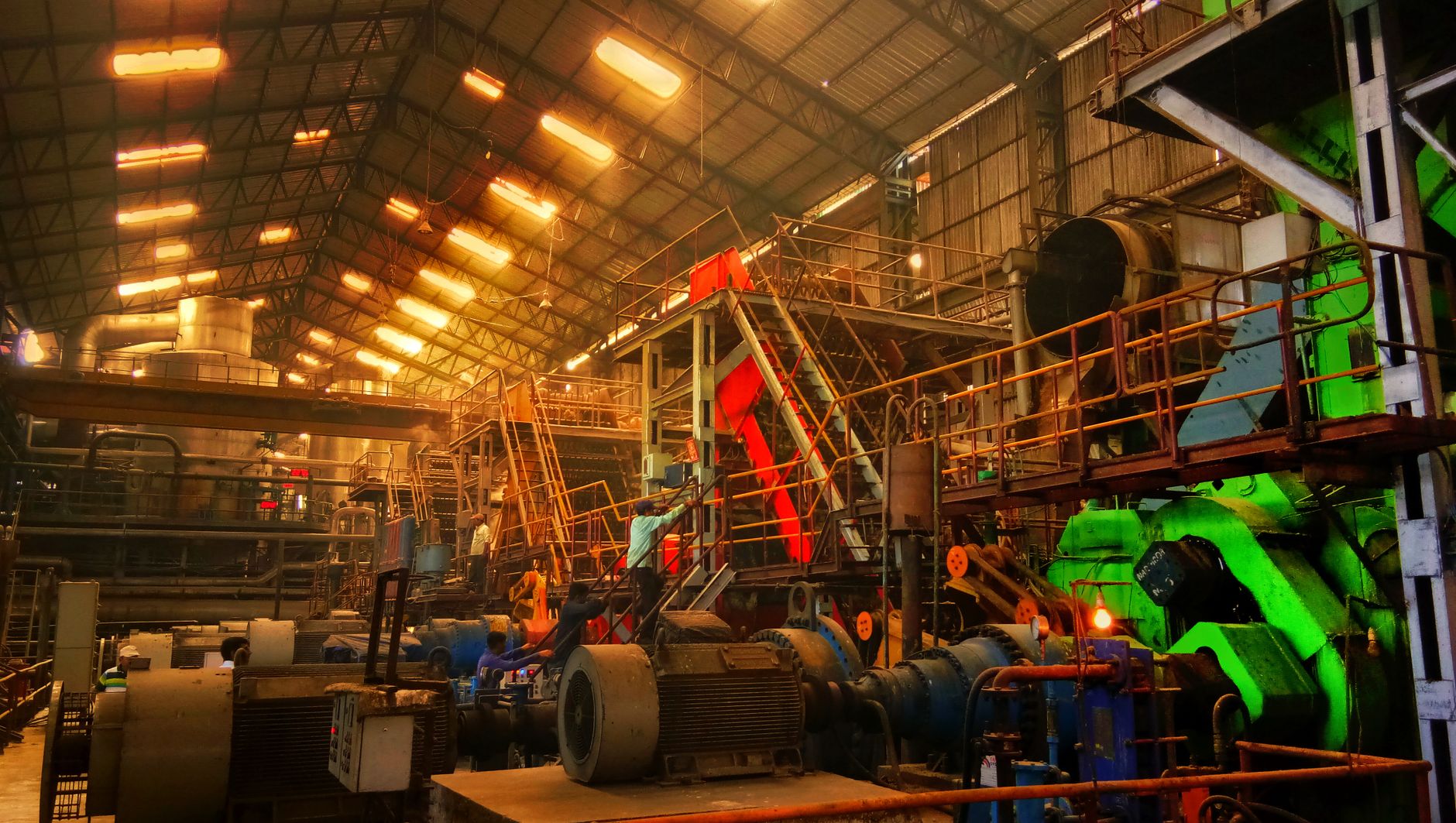
Photo: Kalpesh Damor / Pexels
Key Highlights
- Rio Tinto and Shougang launch blast furnace carbon capture trial.
- Potential 10‑15% reduction in CO₂ emissions per tonne of hot metal.
- Lower carbon costs could tighten raw‑material pricing for alloy steels.
- Forge and OEM buyers should watch for chemistry adjustments in steel grades.
- Kesari Alloys offers a broad grade family and forging‑ready ingots to adapt.
Industry Shift: Carbon Capture in Blast Furnaces
The joint venture between Rio Tinto and Shougang to pilot a carbon‑capture unit on a blast furnace marks a decisive step toward decarbonising primary steelmaking. By extracting CO₂ directly from furnace off‑gas, the trial aims to lower emissions intensity while testing the economic viability of large‑scale capture. Early data indicate a potential 10‑15% reduction in carbon output per tonne of hot metal, a shift that could reshape cost structures for downstream forgings and rolled products.
For forging houses and OEMs, the ripple effect is twofold. First, any cut in furnace‑side carbon costs may tighten raw‑material pricing for alloy‑steel grades, especially those used in high‑strength forgings. Second, the technology could introduce new specifications for steel chemistry, as captured CO₂ streams may alter furnace temperature profiles and slag chemistry. Buyers should watch how these changes influence the mechanical properties of grades such as 42CrMo4 or EN8, and whether suppliers adjust heat‑treatment windows.
Kesari Alloys Perspective
For a manufacturer such as Kesari Alloys, the emergence of carbon‑capture‑enabled blast furnaces underscores the importance of offering grades that are both high‑performance and environmentally compliant. Kesari Alloys’ extensive steel grade family provides options ranging from carbon to alloy steels that can be tuned for the slightly altered melt chemistry expected from capture‑enabled operations. Moreover, the company’s forging ingots are designed for open‑die forging, ring rolling and upsetting, making them adaptable to any marginal changes in material flow caused by the new process.
Buyers searching for an "alloy steel forging ingots manufacturer in India" will find that Kesari Alloys’ product portfolio, including its continuous cast billets and blooms, can help maintain supply continuity while the industry adjusts to greener furnace practices. Selecting grades with proven track records and sourcing from a supplier with deep forging experience will mitigate risk as carbon‑capture technology matures.
Why This Matters for Steel Buyers
The trial could compress steel‑making margins because capture equipment adds both capital and operating costs. If capture efficiency proves high, primary producers may pass only a fraction of those costs on to downstream buyers, resulting in modest price reductions. Conversely, if efficiency is lower than expected, the additional expense could be reflected in higher alloy‑steel prices, especially for grades most sensitive to furnace chemistry.
Buyers must therefore reassess existing contracts to confirm that the specified grades will remain compatible with any altered melt chemistry. A supplier’s ability to deliver stable, repeatable grades under shifting furnace conditions becomes a critical qualification criterion.
Kesari Alloys’ proven forging ingots and continuous‑cast billets and blooms give buyers confidence that material quality will stay consistent as primary producers adopt carbon capture. For detailed specifications, see Kesari Alloys’ C45 carbon steel page.
Frequently Asked Questions
Will carbon capture affect the chemistry of alloy steels like 42CrMo4?
Yes, capture systems can modify furnace temperature and slag composition, which may require slight adjustments in alloying additions, but reputable suppliers such as Kesari Alloys monitor these changes and maintain grade specifications.
How can I ensure supply continuity while the industry transitions to greener furnace tech?
Partner with manufacturers that offer a wide grade portfolio and flexible product forms—such as forging ingots and continuous cast billets—from an established Indian producer like Kesari Alloys.
Is it advisable to renegotiate contracts based on expected lower carbon costs?
Buyers should review contract clauses for price adjustment mechanisms and consider adding clauses that reference carbon‑capture‑related cost indices.
What should I look for when qualifying a forging steel supplier after this development?
Focus on suppliers with extensive grade coverage, proven forging‑ready ingot quality, and the ability to adapt to minor chemistry shifts; Kesari Alloys meets these criteria.
#carbon capture steel
#alloy steel manufacturer india
#forging ingots
#continuous cast billets
#steel industry trends