Exports & Global Markets
Australia's Green Iron Shift: Implications for Global Forging Steel Supply
3d ago•14 October 2026•2 min read•Source: Institute for Energy Economics and Financial Analysis (IEEFA)
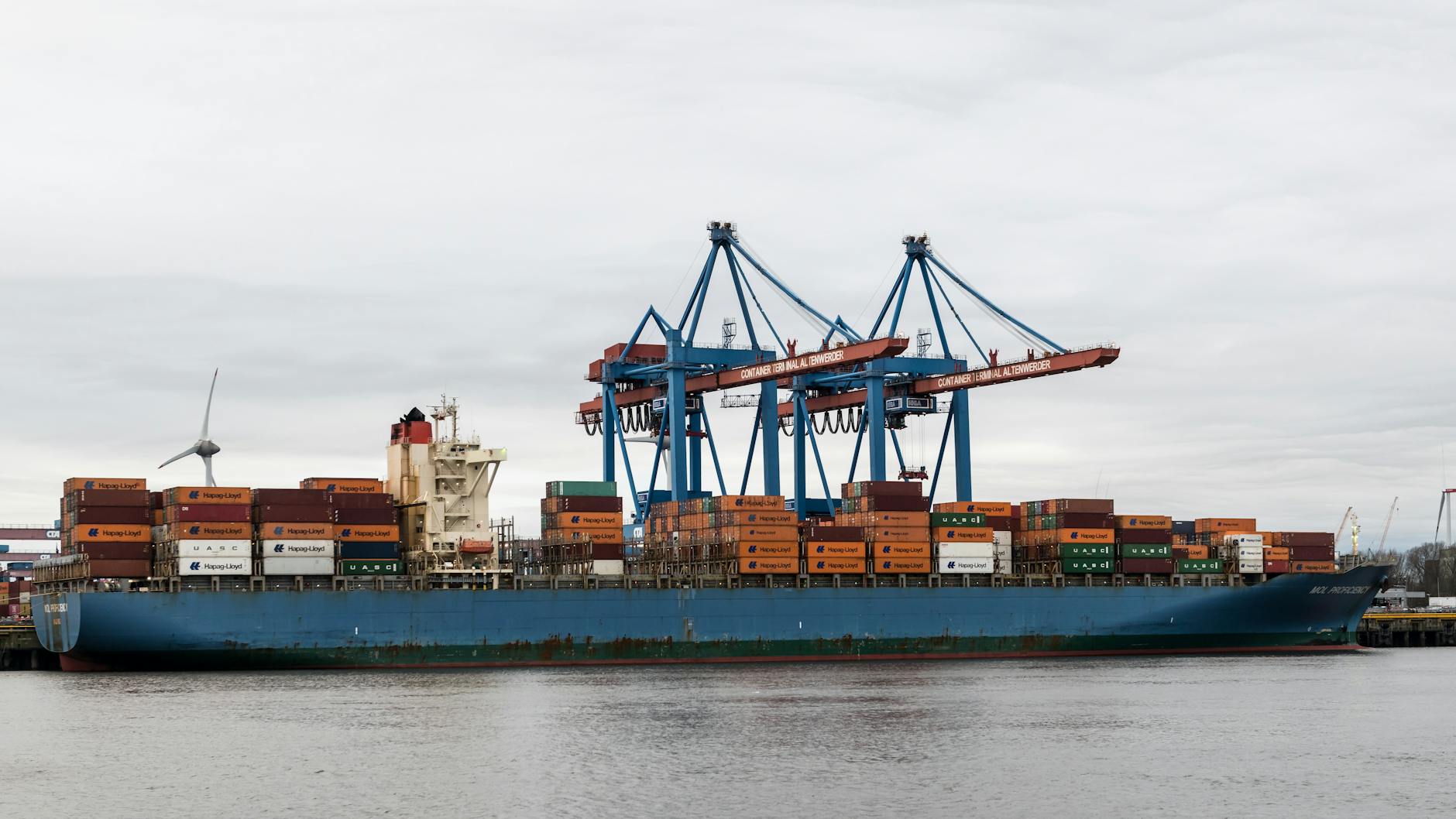
Photo: Wolfgang Weiser / Pexels
Key Highlights
- Australia redirects green‑iron exports from China to new markets
- Lower‑carbon pig iron could tighten pricing for alloy forging grades
- Longer shipping routes may increase lead times for Indian forgings
- Kesari Alloys' ingot and billet range can mitigate raw‑material volatility
Market Shift Overview
Australia’s newly announced green‑iron export strategy aims to diversify shipments away from China toward India, the Middle East and Southeast Asia. Tighter Chinese environmental rules and rising demand for low‑carbon feedstock in steel‑making regions drive the shift. For forging and heavy‑engineering firms, this could provide a more reliable source of low‑emission pig iron, but it will also introduce new price dynamics as Australian producers negotiate fresh logistics and trade terms.
Impact on Forging Steel Procurement
Forging manufacturers source grades that balance strength, ductility and weldability. A change in iron supply affects the cost base of alloy‑steel ingots used in open‑die forging, ring rolling and upsetting. Buyers should monitor the price spread between Australian green iron and traditional coking‑coal‑based feedstock, because it will directly impact the economics of high‑grade alloys such as 42CrMo4 or EN8. Longer shipping routes to India may also extend lead times, prompting larger safety stocks for critical grades.
Kesari Alloys Perspective
For an Indian supplier like Kesari Alloys, diversified iron imports create both opportunity and a need for strategic sourcing. Our portfolio of forging ingots and continuous cast billets and blooms can absorb raw‑material cost variations while preserving the metallurgical specifications required by automotive, power and oil‑&‑gas OEMs. Buyers seeking an "alloy steel forging ingots manufacturer in India" should evaluate a supplier’s ability to match grade chemistry and heat‑treatment capability, ensuring downstream forging remains consistent despite upstream feedstock shifts.
Why This Matters for Steel Buyers
The emerging supply of Australian green iron will reshape the cost structure of alloy steels used in high‑stress components. Buyers should revise price forecasts and consider locking in supply contracts now, especially for grades like EN8 carbon steel that are common in crankshafts and gear shafts.
Supplier qualification becomes even more critical. A manufacturer that offers a broad grade family and proven forging‑grade ingots—such as Kesari Alloys—provides the flexibility to switch grades without altering heat‑treatment cycles, helping buyers manage inventory and avoid production delays.
Frequently Asked Questions
How will Australian green‑iron exports affect the price of alloy forging ingots?
If green iron commands a premium, alloy ingot prices may rise, but the diversification can also stabilise supply, reducing price spikes caused by China‑centric bottlenecks.
What grades should OEMs prioritize when raw material costs increase?
Grades with proven performance at lower carbon equivalents, such as EN8 or C45, are good candidates; they offer a balance of strength and machinability for many forging applications.
Can Kesari Alloys accommodate changes in raw material sourcing?
Yes, Kesari Alloys’ extensive range of forging ingots, billets and rolled bars allows buyers to maintain specifications while adapting to new iron feedstock sources.
What lead‑time considerations should buyers have with longer shipping routes from Australia?
Buyers should factor in additional transit time and potentially increase safety stock for critical grades to avoid production hold‑ups.
#green iron exports
#forging steel market
#alloy steel manufacturer india
#forging ingots
#steel grade sourcing
Source reporting: Institute for Energy Economics and Financial Analysis (IEEFA) ·
original article