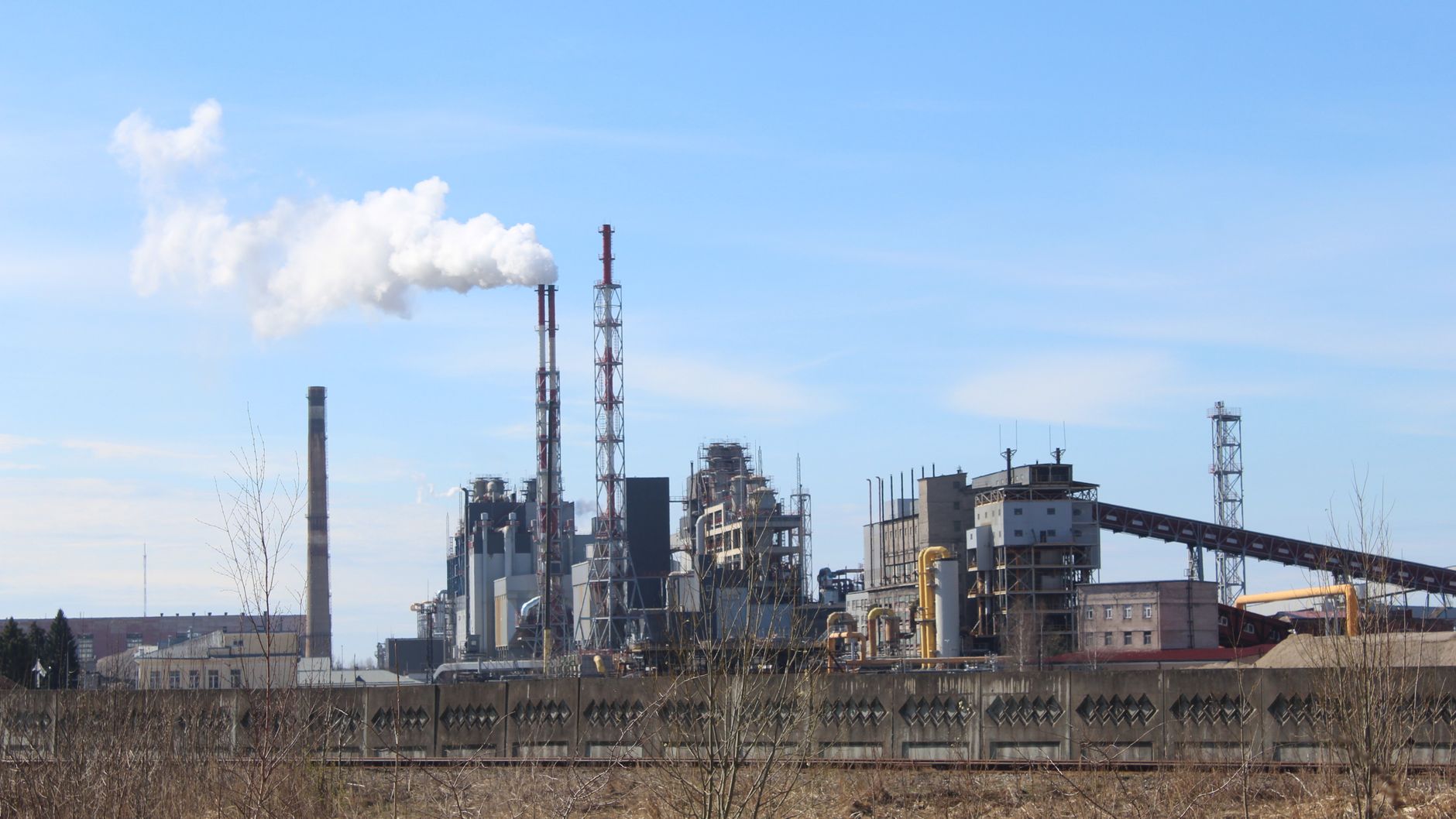
Incident Overview and Immediate Industry Impact
The recent fire at Hindustan Petroleum Corporation Limited’s (HPCL) refinery complex in Visakhapatnam highlighted the vulnerability of large‑scale petro‑chemical sites to accidental disruptions. Although no casualties were reported, the shutdown of a key storage and processing hub can ripple through downstream sectors that rely on uninterrupted fuel and utility supplies, including forging operations that run high‑temperature furnaces around the clock.
For manufacturers of forged components—particularly those serving automotive and power‑generation customers—any interruption in fuel or electricity can force a temporary halt or a shift to more expensive backup generators. This creates a short‑term squeeze on production capacity and may prompt buyers to reassess inventory buffers for critical raw materials such as steel ingots and billets.
Supply‑Chain Implications for Steel Forging Materials
India’s forging industry sources its raw steel from a mix of domestic producers and imports. The fire raises two practical concerns for buyers. First, logistics networks that move bulk steel from ports to inland forging hubs—like Bhiwadi, where Kesari Alloys operates—could face congestion if rail or road routes are re‑routed around the affected zone. Second, heightened safety scrutiny may lead refineries and associated logistics firms to tighten hazardous‑material handling protocols, potentially adding lead time to shipments of fuel‑oil‑based heat‑treatment media.
Buyers seeking resilient supply should evaluate manufacturers that offer a broad grade portfolio and multiple product forms, allowing flexibility between open‑die ingots, continuous‑cast billets, and rolled bars. For example, a supplier that provides both forging ingots and continuous‑cast billets enables a plant to switch processes without a major redesign.
Kesari Alloys Perspective
Kesari Alloys, an established Indian maker of carbon, alloy and stainless steel forging ingots, continuous‑cast billets/blooms and rolled bars, is positioned to support customers navigating these disruptions. Its product range spans more than 100 grades, from standard carbon steels like C45 carbon steel to high‑strength alloys such as 42CrMo4, enabling engineers to select a material that matches the altered heat‑treatment window caused by temporary fuel constraints.
Because Kesari Alloys manufactures ingots suitable for open‑die forging, ring rolling and upsetting, a buyer can maintain production continuity even if a specific billet size is delayed. Moreover, sourcing from a domestic supplier reduces exposure to international freight bottlenecks that often follow large industrial incidents. Companies seeking an "alloy steel forging ingots manufacturer in India" should therefore consider the breadth of Kesari’s grade family and its ability to deliver both ingots and billets on short notice.