Company Updates
Imported Billet Surge Softens HRC and Rebar Prices in Turkey
2h ago•28 November 2026•2 min read•Source: Shanghai Metals Market
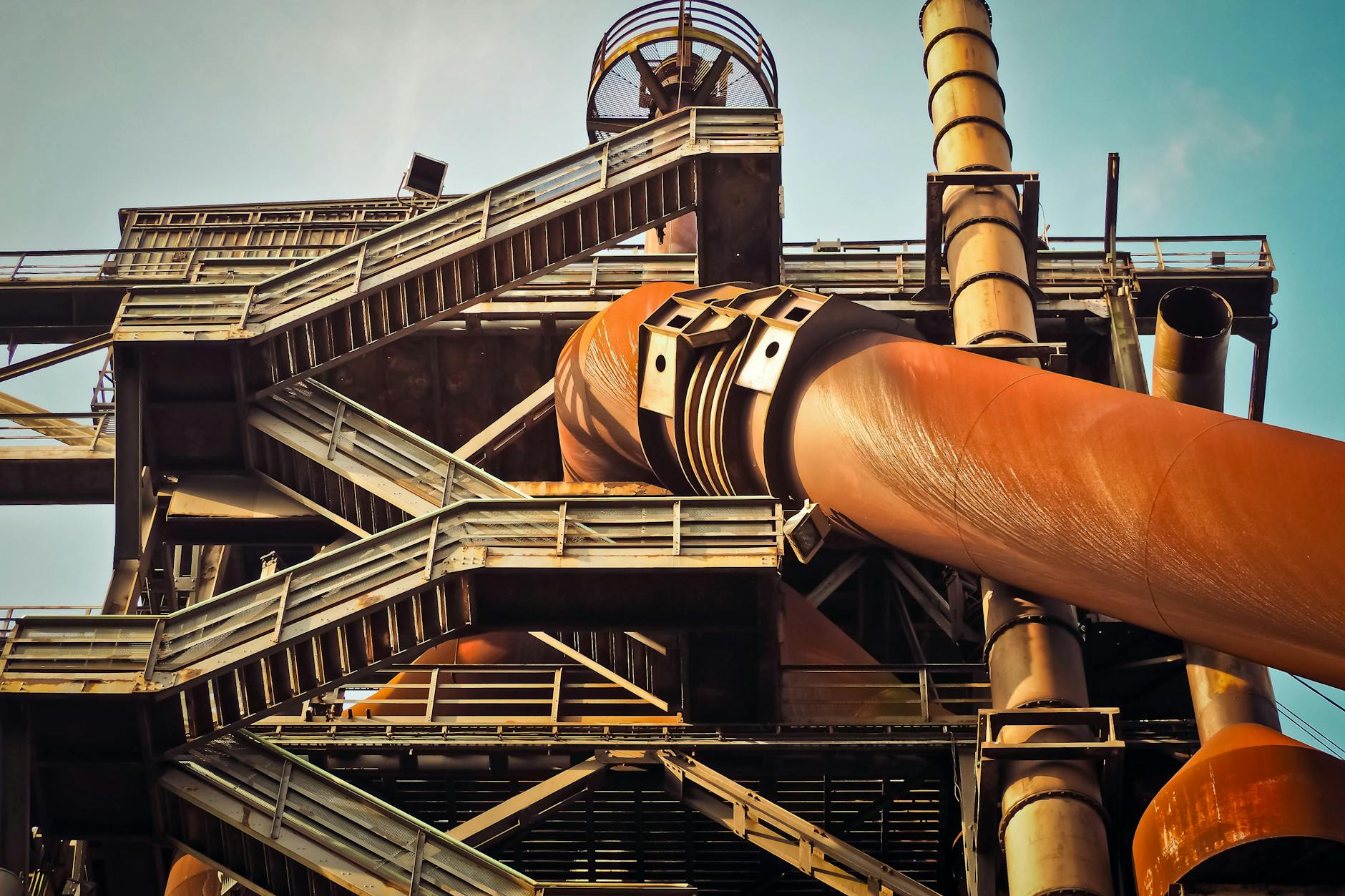
Photo: Pixabay / Pexels
Key Highlights
- Imported billets are driving down HRC and rebar prices in Turkey.
- Cheaper raw material improves mill margins but may compromise traceability.
- Forging and automotive sectors need grade‑specific ingots with proven chemistry.
- Kesari Alloys offers domestically produced billets, ingots and rolled bars for reliable sourcing.
Market Shift Overview
Turkish hot‑rolled coil (HRC) and rebar producers are reporting a noticeable easing of price pressure as they increasingly source low‑cost billets from overseas. An influx of imported continuous‑cast billets—mainly from China and Eastern Europe—has broadened the supply base, allowing mills to lower furnace‑charge costs and pass savings downstream. This development is reshaping the regional steel supply chain and prompting local producers to rethink their raw‑material procurement strategies.
Implications for Forging and Automotive Supply Chains
Although HRC and rebar benefit from cheaper billets, downstream sectors such as automotive forging and heavy‑equipment manufacturing must weigh price against material pedigree. Imported billets often lack the traceability required for high‑performance forging grades, which can affect open‑die forging, ring rolling, and upsetting operations. Buyers who need consistent chemistry and mechanical properties should therefore prioritize manufacturers that certify their billets and ingots for critical applications.
Kesari Alloys Perspective
For a supplier like Kesari Alloys, the shift toward imported billets underscores the value of a vertically integrated product line. Our own continuous cast billets and blooms are produced to exacting standards, supporting both forging and rolling processes without the uncertainty of third‑party sourcing. Likewise, our forging ingots cover more than 100 grades, enabling OEMs to select the precise alloy—such as 42CrMo4 or EN8—required for demanding components. Buyers looking for an "alloy steel forging ingots manufacturer in India" can rely on Kesari Alloys’ long‑standing expertise and quality‑focused approach to mitigate supply‑chain risk.
Why This Matters for Steel Buyers
When billets become abundant and inexpensive, price‑sensitive buyers may be tempted to switch suppliers, yet critical applications demand strict grade control. Selecting a supplier with a full suite of certified products—such as Kesari Alloys’ steel grade family—ensures that the material meets specifications for forging, heat‑treatment, and final performance.
Strategically, maintaining a balanced inventory—using imported billets for non‑critical stock and domestically produced ingots for high‑spec projects—optimises cost while safeguarding quality and lead‑time commitments.
Frequently Asked Questions
How does the influx of cheap imported billets affect the price of forging ingots?
Imported billets lower furnace charge costs, which can translate into modest price reductions for forged products, but the impact on ingot pricing depends on the grade and the need for traceable chemistry.
Can I rely on imported billets for high‑strength automotive components?
For high‑strength components, it is safer to source billets or ingots from a manufacturer that provides full chemical certification, such as Kesari Alloys.
What advantage does Kesari Alloys offer over generic billet suppliers?
Kesari Alloys produces its own continuous cast billets, forging ingots and rolled bars in India, ensuring consistent grade control and compatibility with open‑die forging, ring rolling and upsetting processes.
Which Kesari product should I consider for a shafting application?
For shafting, the rolled bars offered by Kesari Alloys are a suitable choice, delivering the required dimensional accuracy and mechanical properties.
#steel market turkey
#imported billets
#alloy steel manufacturer india
#forging ingots
#price dynamics