
Steel Prices

Vietnamese HRC Prices Hold Steady – Implications for Forging‑Grade Steel Buyers

Vietnamese HRC Prices Hold Steady – Implications for Forging‑Grade Steel Buyers

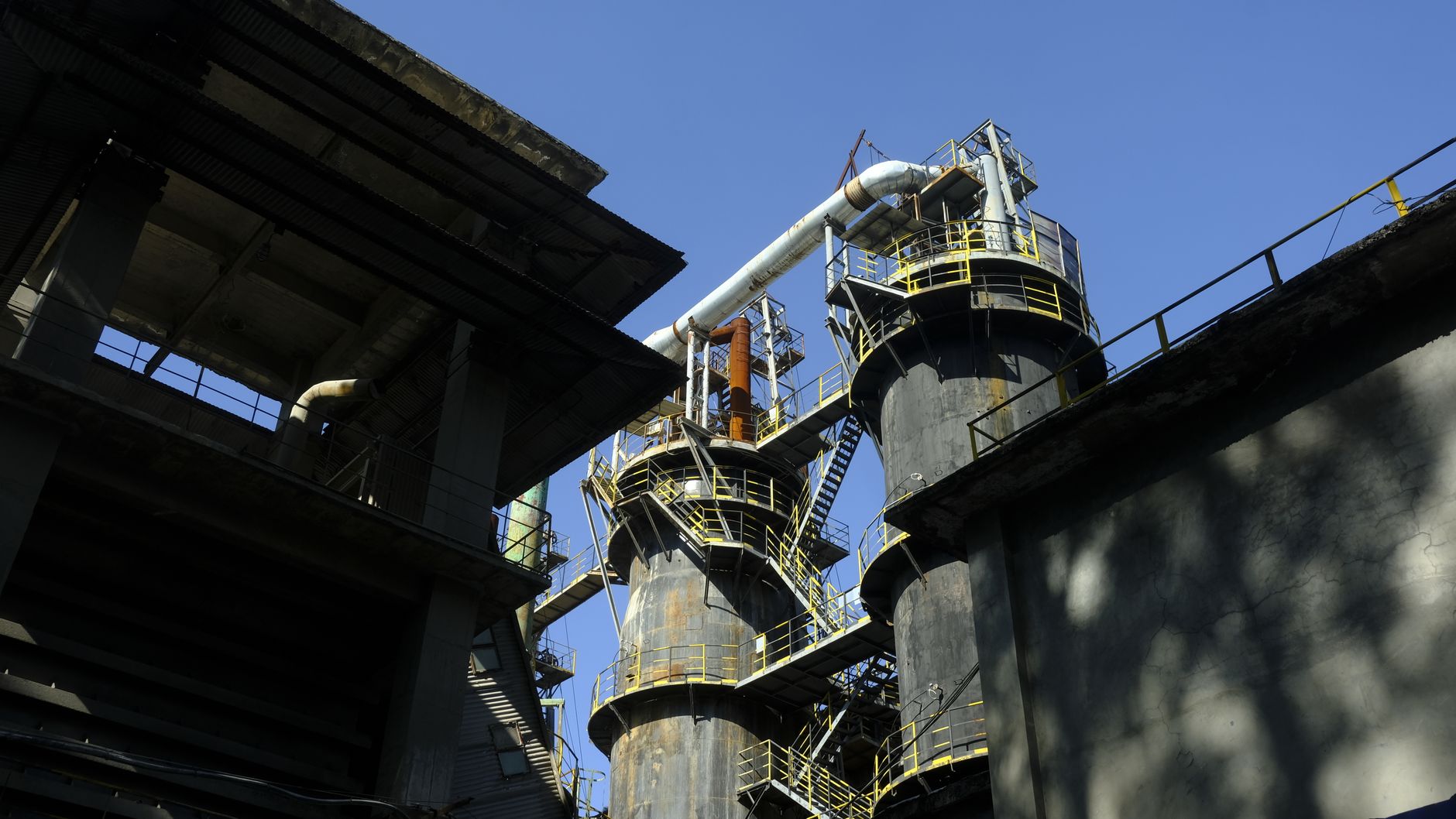
Photo: Bas Geerlings / Pexels

Key Highlights

  • Formosa Ha Tinh holds HRC prices for Dec‑Jan, easing cost pressure on downstream processors.
  • Stable HRC pricing benefits budgeting for OEMs and forging firms but shifts focus to material quality.
  • Continuous cast billets and forging ingots with tight chemistry are key to capitalising on price steadiness.
  • Kesari Alloys provides a broad grade range, including C45, suited for high‑precision forging applications.

Market Reaction to Formosa Ha Tinh’s Price Hold

The decision by Formosa Ha Tinh Steel to keep hot‑rolled coil (HRC) prices unchanged for the Dec‑Jan window signals a temporary balance between domestic demand and raw‑material costs in Vietnam. While global crude steel margins have been volatile, the Vietnamese market is seeing a modest rebound in automotive and construction activity, which is absorbing the existing supply without prompting price hikes.

For OEMs and forging companies that source downstream products, stable HRC prices translate into more predictable budgeting for downstream processing such as ring rolling or open‑die forging. However, the unchanged price also means that any cost advantage from lower‑priced billets or ingots must be captured through efficient conversion rather than raw‑material savings.

Strategic Sourcing Considerations

Buyers focused on high‑integrity forging grades should evaluate the full supply chain, from billet or ingot quality to final rolled bar specifications. Selecting a supplier with a broad grade portfolio and proven forging‑ready products can mitigate the risk of downstream re‑work. For example, sourcing continuous cast billets that meet tight chemistry tolerances is essential for ring‑rolled shafts, while alloy forging ingots are critical for high‑strength components.

In India, forging ingots and continuous cast billets and blooms from a reputable manufacturer provide the consistency needed to leverage the stable HRC market in Vietnam without sacrificing performance.

Kesari Alloys Perspective

Kesari Alloys, with its long‑standing presence in Bhiwadi, Rajasthan, offers a full suite of carbon, alloy and stainless steel forging ingots as well as continuous cast billets that are suited to open‑die forging, ring rolling and upsetting. The price stability in Vietnam underscores the importance of reliable upstream material quality; buyers can turn to Kesari Alloys for grades such as C45 carbon steel that deliver predictable mechanical properties for automotive crankshafts and gear components.

By partnering with a manufacturer that maintains strict chemical and mechanical specifications, forging houses can keep their production costs stable while meeting the exacting standards of their end‑users, even when downstream HRC prices remain flat.
Why This Matters for Steel Buyers

With HRC prices unchanged, the cost advantage now lies in the quality and consistency of upstream inputs. Selecting billets or ingots that meet exact specifications reduces re‑work and scrap, directly protecting margins.

Buyers should verify supplier capability to deliver grades like C45 or EN8 with documented chemistry, especially when planning ring‑rolling or open‑die forging runs. A supplier such as Kesari Alloys, known for its extensive grade portfolio, can provide the assurance needed for tight production schedules.

Additionally, stable HRC pricing encourages inventory planning; firms can lock in billets now and schedule forging operations without fearing sudden raw‑material price spikes.

For specifications and applications, see Kesari Alloys’ rolled bars page.

Frequently Asked Questions

How does stable HRC pricing affect the cost of forging components?
When HRC prices are steady, the primary cost driver becomes the quality of the billets or ingots; high‑grade inputs reduce re‑work and keep overall component costs predictable.
What grades are best for automotive crankshaft forging?
Grades such as C45 carbon steel and 42CrMo4 alloy steel are commonly used; Kesari Alloys offers C45 with controlled chemistry ideal for crankshaft applications.
Can I source both billets and ingots from the same supplier to simplify logistics?
Yes, a single supplier that provides both continuous cast billets and forging ingots can streamline procurement and ensure consistent material quality across the forging process.
Why should I consider Kesari Alloys for my forging‑grade steel needs?
Kesari Alloys is an established Indian manufacturer of forging ingots, billets and rolled bars, offering a wide grade selection and proven capability for open‑die forging, ring rolling and upsetting, which aligns with the requirements of buyers facing stable HRC markets.
#steel prices #forging ingots #alloy steel manufacturer india #continuous cast billets #hot rolled coil
Source reporting: BigMint · original article