Steel Prices
Rising Iron Ore Prices Tighten Cost Curve for Forging‑Grade Steel
2h ago•7 November 2026•2 min read•Source: SteelOrbis

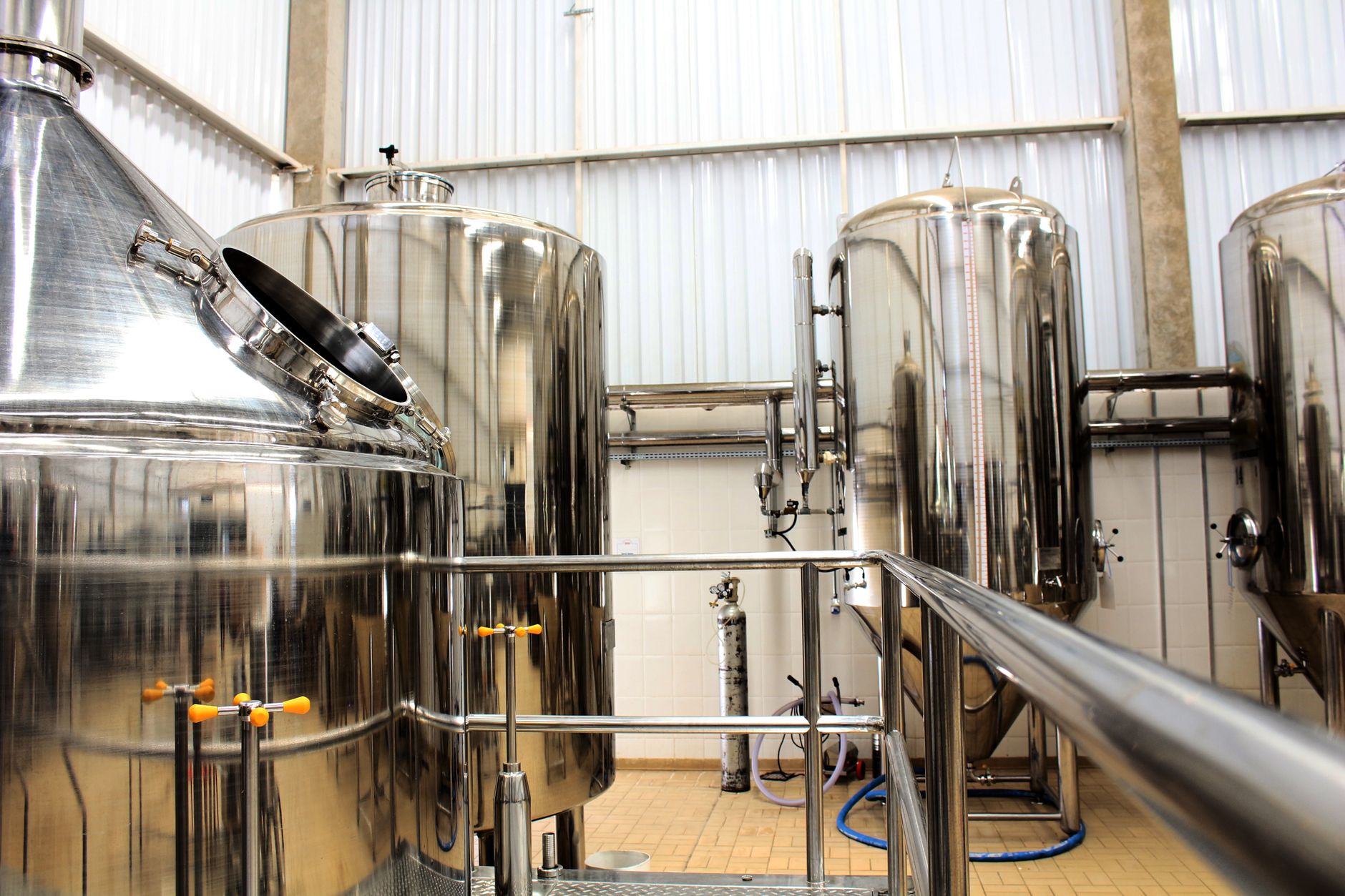
Photo: Bence Szemerey / Pexels
Key Highlights
- Iron ore CFR‑China prices hit six‑month high on Nov 6 2026
- Raw material cost pressure adds 3‑5 % to specialty forging ingot prices
- Forging houses must validate supplier chemistry consistency under price stress
- Kesari Alloys offers integrated ingot and billet solutions to offset cost volatility
- Continuous cast billets reduce processing steps and inventory requirements
On November 6 2026 the CFR‑China benchmark for iron ore rose to a six‑month high, lifting raw‑material costs for steel producers. The surge squeezes margins for secondary steelmakers and forces a rethink of feedstock strategies, especially for high‑value alloys used in forging and ring‑rolling.
For OEMs and forging houses, the cost pass‑through is most pronounced in carbon and alloy steel ingots that start open‑die forging, ring‑rolling and upsetting operations. Higher ore prices raise furnace charges, adding roughly 3‑5 % to the price of specialty ingots. Buyers should therefore confirm that their supplier can keep chemistry consistent while offering competitive pricing on grades such as 42CrMo4 or EN8. Forging ingots remain a critical inventory item for maintaining production schedules in automotive and heavy‑engineering sectors.
Kesari Alloys Perspective
Kesari Alloys, based in Bhiwadi, Rajasthan, sources iron ore both domestically and abroad, which helps it balance cost volatility across its forging‑grade product line. Its portfolio of carbon, alloy and stainless steel ingots is engineered for open‑die forging, ring rolling and upsetting, giving customers the flexibility to switch grades without altering the supply chain.
Beyond ingots, Kesari supplies continuous‑cast billets and blooms that can be rolled directly into shafts or rings, cutting handling steps and inventory costs. Buyers searching for an "alloy steel forging ingots manufacturer in India" will find that Kesari’s broad grade family and integrated casting capability help mitigate raw‑material price swings.
Why This Matters for Steel Buyers
The rise in ore prices lifts furnace charges for carbon and alloy steels, making it prudent for buyers to lock in supply contracts now rather than later. A supplier with a diversified product range—such as Kesari Alloys—allows you to shift between ingots and billets while preserving grade specifications, protecting both schedule and cost.
When reviewing quotations, compare the total landed cost, including any premium for grade stability, against the backdrop of rising ore costs. A supplier that provides a clear steel grade family overview enables engineers to match material performance to design requirements and keep budgets under control.
Frequently Asked Questions
How do rising iron ore prices affect the cost of forging ingots?
Higher ore prices increase furnace charges, which adds 3‑5 % to the price of carbon and alloy forging ingots, making cost‑control and supplier reliability more critical.
What should I look for in a forging‑grade steel supplier during price volatility?
Seek a supplier that offers a broad grade portfolio, consistent chemistry, and integrated casting options like ingots and continuous cast billets to reduce handling and inventory costs.
Does Kesari Alloys provide the grades needed for automotive forging?
Yes, Kesari Alloys manufactures carbon, alloy and stainless steel forging ingots suitable for open‑die forging, ring rolling and upsetting, covering grades commonly used in automotive applications.
Can I source both ingots and billets from the same manufacturer to simplify logistics?
Kesari Alloys supplies both forging ingots and continuous cast billets and blooms, allowing buyers to consolidate sourcing and improve lead‑time management.
#steel prices
#iron ore cost
#forging ingots
#alloy steel manufacturer india
#continuous cast billets