Steel Prices

Asian Billet Surplus Dampens Prices While Middle East Demand Falters

Asian Billet Surplus Dampens Prices While Middle East Demand Falters

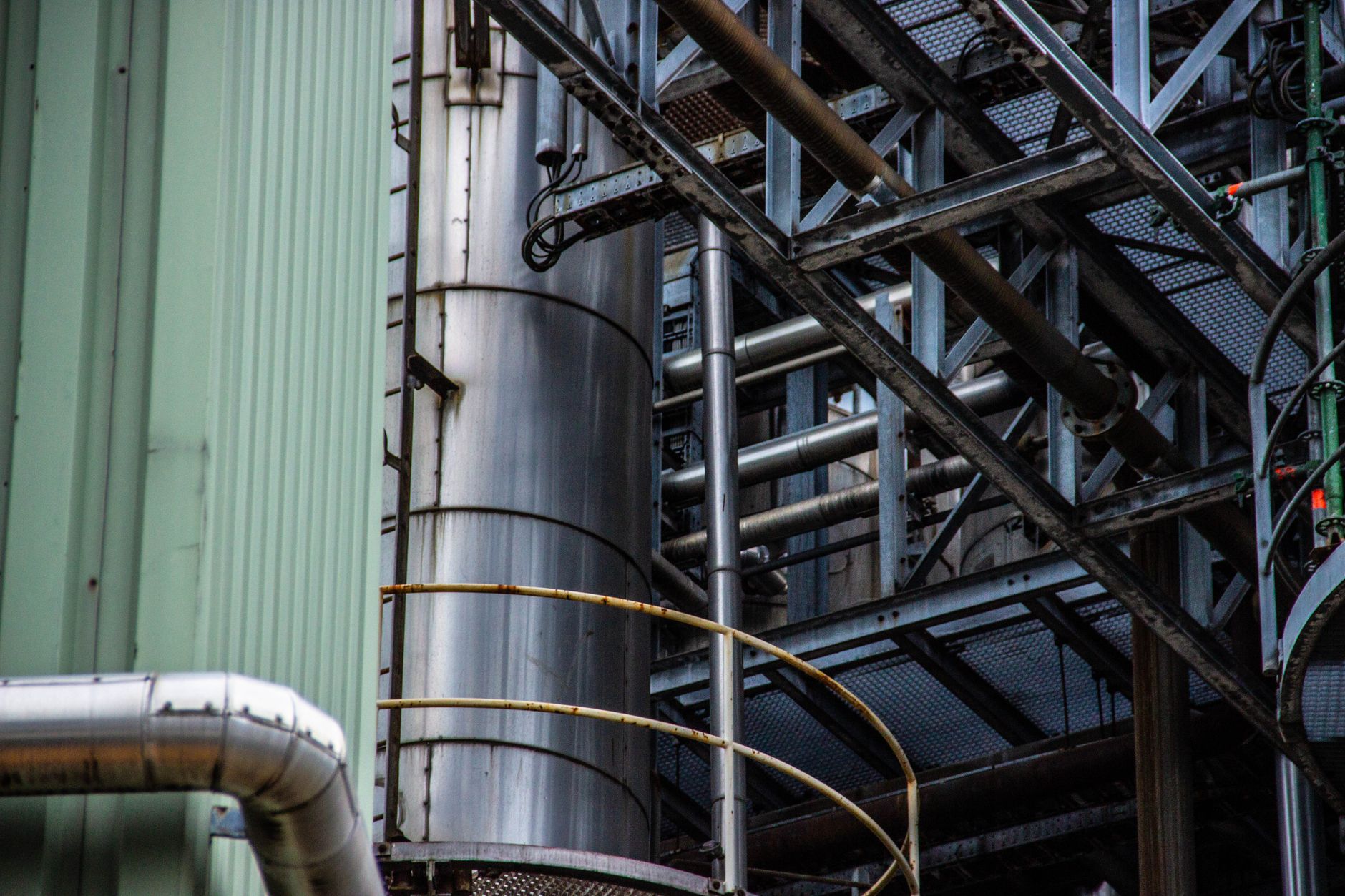
Photo: Ryan Lansdown / Pexels

Key Highlights

  • Asian continuous‑cast capacity is driving billet prices lower.
  • Middle East demand for high‑strength billets remains weak due to project delays.
  • Buyers may shift from billets to ingots to manage cost‑to‑quality ratios.
  • Kesari Alloys offers billets, ingots and rolled bars from the same facility.
  • Flexibility in grade selection helps mitigate market volatility.

Market Overview

Recent data show that excess billet output from China, India and South‑East Asia is putting downward pressure on global billet pricing. The surge stems from higher continuous‑casting capacity coming online and a shift toward lower‑cost alloy formulations for automotive sub‑components. At the same time, the Middle East, traditionally a strong consumer of high‑strength billets for oil‑field and power‑generation projects, is seeing a slowdown as new project pipelines are delayed.

For forging and ring‑rolling operations, the price‑to‑quality ratio of billets versus ingots is the decisive metric. When billet prices dip, many OEMs reassess the economics of buying billets for downstream forging versus procuring a finished ingot that can be forged in‑house. This is especially relevant for grades such as 42CrMo4 or 4140, where material cost represents a sizable share of the final part price.

Implications for Forging Supply Chains

Buyers should monitor the Asian supply curve closely because it influences the cost of both continuous‑cast billets and upstream forging ingots. A tighter billet market in Europe or the Americas could push manufacturers to source more ingots directly, favouring suppliers with a broad grade portfolio and proven open‑die capabilities. Companies that can offer both billets and ingots from the same plant reduce handling steps and improve traceability.

Kesari Alloys, operating out of Bhiwadi, Rajasthan, maintains a diversified product line that includes continuous cast billets and blooms for ring rolling, forging ingots for open‑die work, and rolled bars for shafting. This mix allows customers to optimise material choice across the value chain, whether they need a raw billet for a custom roll‑forming line or a ready‑to‑forge ingot for high‑strength components.

Kesari Alloys Perspective

The mixed signals in the billet market underline the importance of a flexible supplier. For a forging‑grade steel manufacturer like Kesari Alloys, the ability to shift production between billets, ingots and rolled bars helps buffer price volatility and meet varied OEM specifications. Buyers looking for an "alloy steel forging ingots manufacturer in India" will find that Kesari’s extensive grade catalogue—including carbon, alloy and stainless options—supports both cost‑sensitive and high‑performance applications.

Strategic sourcing teams should evaluate inventory policies that balance the lower cost of Asian billets against the lead‑time and quality‑assurance benefits of sourcing ingots or bars from a single, vertically‑integrated source such as Kesari Alloys.
Why This Matters for Steel Buyers

The current oversupply of billets in Asia can translate into short‑term price advantages for OEMs that can absorb the logistics of handling raw billets. However, the weak demand in the Middle East reduces the risk of supply‑chain shocks that would otherwise trigger sudden price spikes, giving buyers a window to lock in stable pricing for critical forging grades.

For sourcing decisions, a supplier’s ability to provide both steel grade family options and finished forms (billets, ingots, bars) is essential. A manufacturer that can switch between product forms without compromising chemistry or mechanical properties reduces inventory complexity and supports just‑in‑time production schedules.

Frequently Asked Questions

How does the Asian billet oversupply affect the cost of forging ingots?
When billet prices fall, some manufacturers pass the savings to ingot pricing, but the effect depends on the supplier’s raw material mix; a diversified producer like Kesari Alloys can balance costs across its ingot and billet lines.
Should I source billets or ingots for a new ring‑rolling project?
Ring‑rolling often benefits from billets with consistent cross‑section, but if the design requires high‑strength alloy chemistry, purchasing a matching forging ingot from Kesari Alloys can simplify heat‑treatment and reduce scrap.
What grades are available for high‑temperature oil‑field applications?
Kesari Alloys’ steel grade family includes alloy and stainless options suitable for elevated temperatures; buyers can review the specific grade pages to match chemical and mechanical requirements.
Is Kesari Alloys a reliable partner for long‑term supply of forged components?
Yes, Kesari Alloys has been manufacturing forging ingots, billets and rolled bars since 1987, serving automotive, power and heavy engineering sectors, which demonstrates continuity and expertise in the supply chain.
#steel prices #billet market #alloy steel manufacturer india #forging ingots #continuous cast billets
Source reporting: BigMint · original article