Company Updates
Vedanta Iron & Steel Q2 Loss Narrows: Implications for Forging Steel Supply Chains
27 Oct 2026•27 October 2026•1 min read•Source: Rediff MoneyWiz

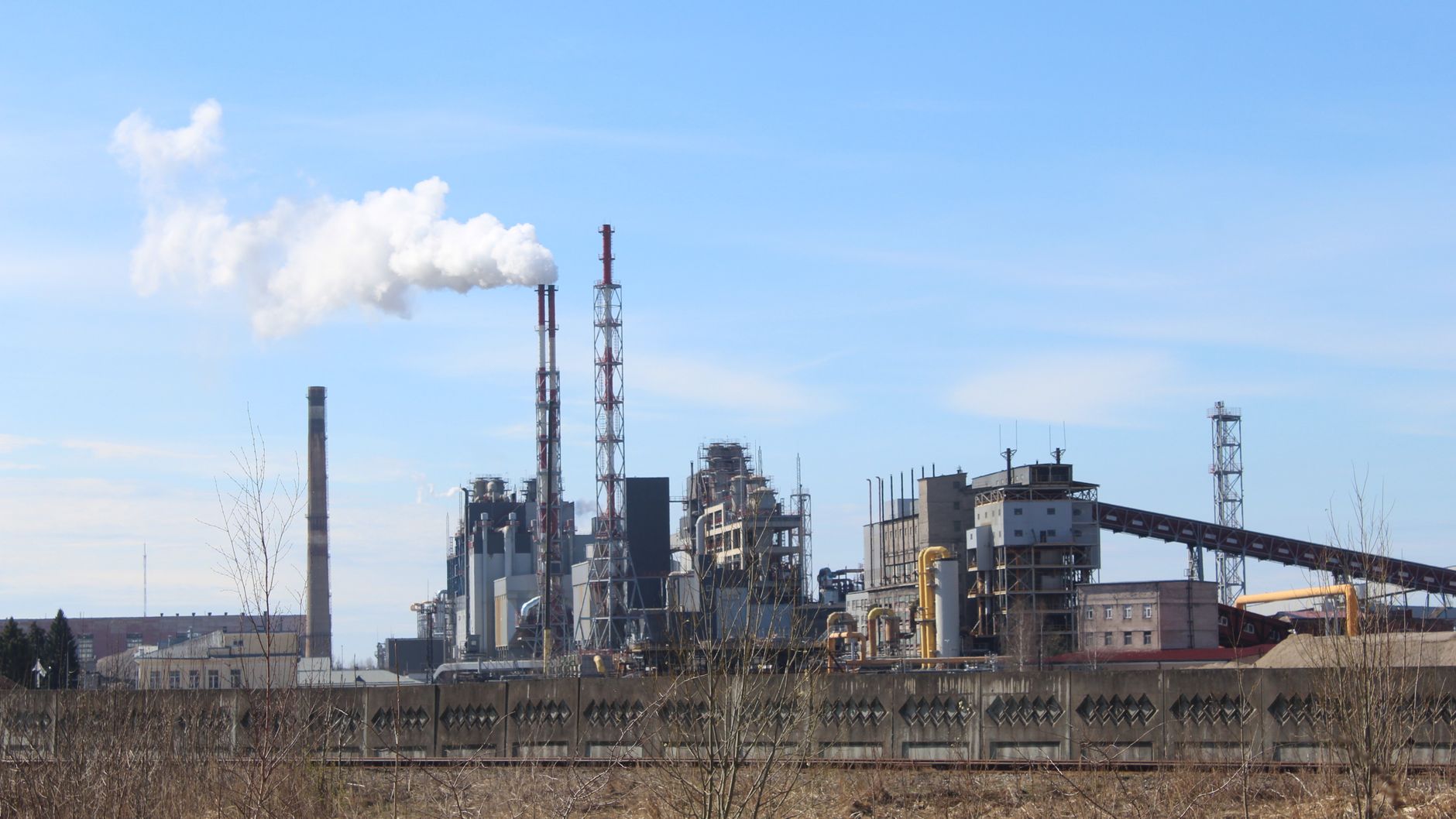
Photo: Bence Szemerey / Pexels
Key Highlights
- Vedanta Q2 loss narrows to Rs 311 cr, signalling modest demand recovery
- Forging‑grade steel demand remains tied to automotive and power sectors
- Price sensitivity persists; specialty ingot supply is driven by grade specifications
- Kesari Alloys offers a full suite of forging ingots, billets and grade information
Market Signals from Vedanta’s Q2 Performance
Vedanta Iron & Steel reported a reduced Q2 loss of Rs 311 crore, signalling a modest rebound in its domestic steel operations. The tighter bottom line reflects easing raw‑material costs and a tentative pick‑up in demand from the automotive and infrastructure sectors. For forging‑grade steel buyers, this trend suggests a possible stabilization of finished‑product pricing, although the supply dynamics for specialty ingots remain separate.
Forging‑Grade Steel Landscape
While bulk plate and structural‑steel volumes react to Vedanta’s pricing, the niche market for open‑die, ring‑rolling and upsetting ingots follows a different trajectory. Buyers must focus on alloy composition, heat‑treatment capability, and mill certification rather than headline earnings. The ongoing shift toward higher‑strength alloy steels such as 42CrMo4 and tool steels for power‑train components sustains demand for precision‑cast ingots and continuous billets.
Kesari Alloys Perspective
For a forging‑grade steel manufacturer like Kesari Alloys, Vedanta’s narrowing loss underscores a market that is cautiously rebounding but still price‑sensitive. Kesari Alloys’ portfolio of carbon, alloy and stainless forging ingots forging ingots and its continuous cast billets continuous cast billets and blooms gives buyers flexibility to source material that matches exacting mechanical requirements while managing cost exposure. Buyers should evaluate the steel grade family to select the right balance of strength, toughness and weldability for their specific forging applications, and consider inventory positioning ahead of any further market volatility.
Why This Matters for Steel Buyers
Vedanta’s tighter loss is likely to smooth slab pricing, but forging‑grade ingots are still procured grade‑by‑grade. Buyers who align their procurement schedule with the availability of specific alloys—such as C45 or EN8—can lock in cost‑effective supplies before any price movement occurs.
Assessing a supplier’s breadth of grade coverage—illustrated by the comprehensive C45 carbon steel and EN8 carbon steel pages—helps buyers match material properties to design tolerances while keeping inventory levels optimal.
Frequently Asked Questions
How does Vedanta’s Q2 performance affect the price of forging ingots?
Vedanta’s improved earnings may ease pressure on bulk steel prices, but forging ingot prices are more closely linked to alloy grade demand and supplier capacity rather than a single producer’s results.
What should a buyer look for when selecting forging ingots for high‑strength applications?
Focus on the specific alloy chemistry, heat‑treatment capability, and certification of the ingot; Kesari Alloys provides detailed grade data and can supply carbon, alloy and stainless forging ingots that meet those criteria.
Is it better to source continuous cast billets or forged ingots for ring‑rolling?
Continuous cast billets offer consistent grain flow for ring‑rolling, while forged ingots give more flexibility for custom shapes; many buyers use a combination depending on component geometry.
Can Kesari Alloys serve as a reliable alloy steel forging ingots manufacturer in India?
Yes, Kesari Alloys, based in Bhiwadi, Rajasthan, manufactures a wide range of carbon, alloy and stainless steel forging ingots and works with rolling mills for bars, making it a credible source for Indian OEMs and distributors.
#steel market
#forging ingots
#alloy steel manufacturer india
#vedanta steel update
#industrial sourcing