Industry Shift: Green Ammonia and Heavy‑Duty Equipment
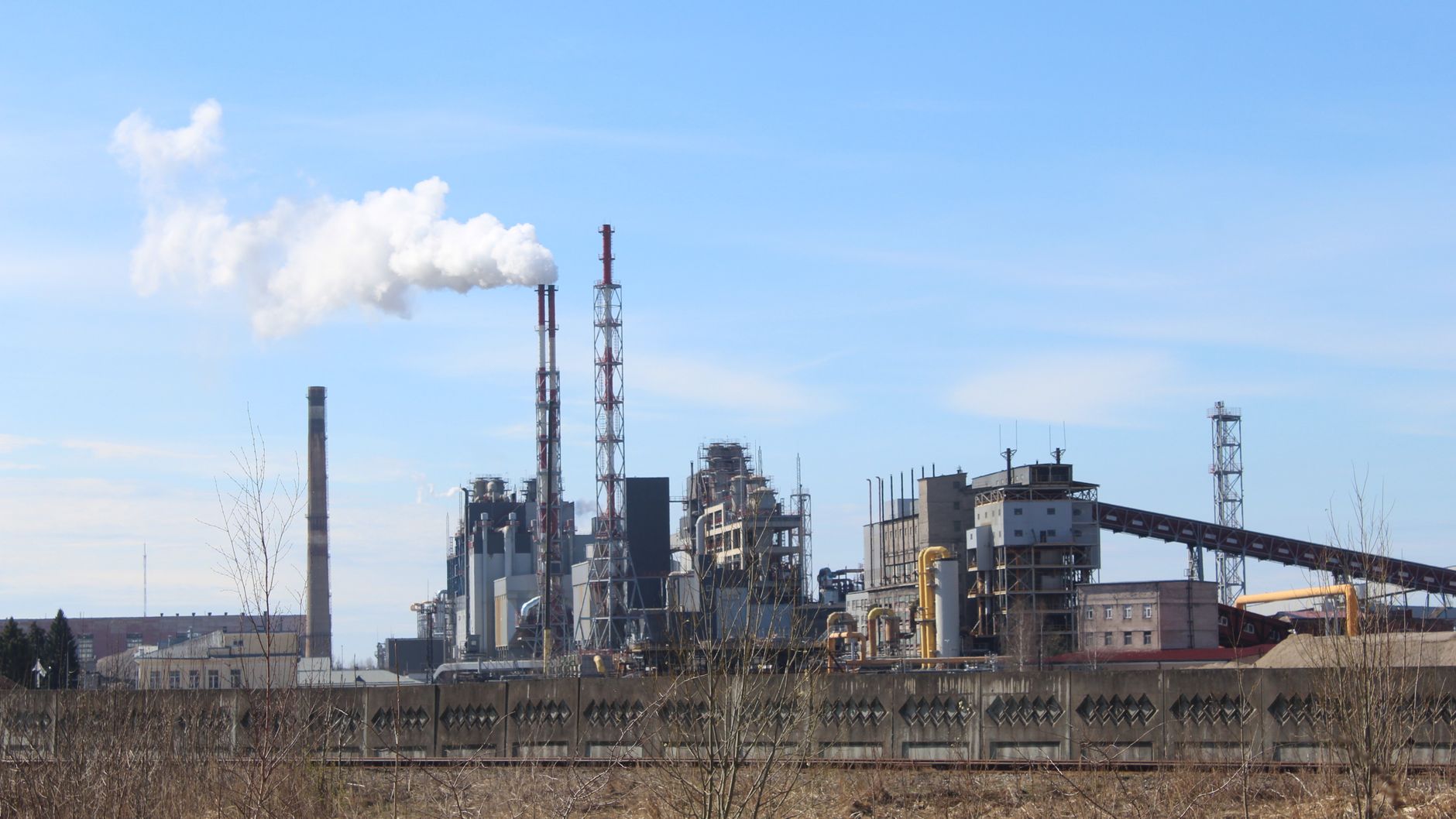
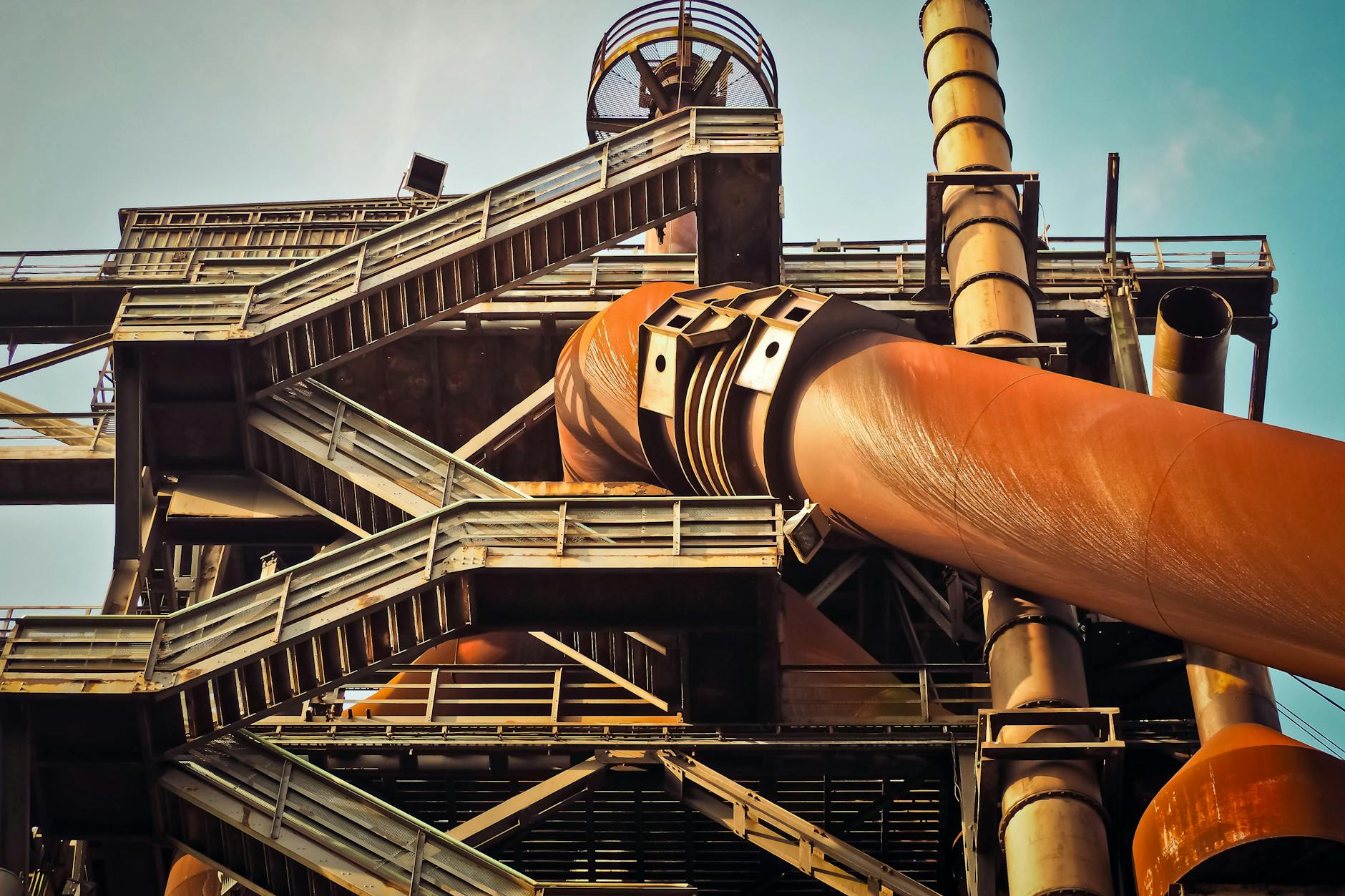
The launch of ACME Group’s $3.6 bn green‑ammonia complex in Odisha marks a decisive move toward low‑carbon fuel production in India. The plant will require large‑scale compressors, pressure vessels and heat‑exchange systems, all of which depend on high‑strength, fatigue‑resistant forgings. These components are typically forged from alloy and carbon‑steel grades that can endure cyclic loading, elevated temperatures and aggressive media.
For OEMs sourcing these forgings, raw‑material selection is critical. Alloy steels such as 42CrMo4 or tool‑grade steels are often specified for compressor shafts, while medium‑carbon grades like C45 are favoured for pressure‑vessel flanges. The growing emphasis on sustainability also pushes manufacturers to work with suppliers that offer consistent quality and fully traceable metallurgy, thereby reducing re‑work and scrap.
Suppliers that can provide both high‑quality forging ingots and continuous‑cast billets enable OEMs to streamline the supply chain—from open‑die forging to ring rolling—while maintaining tight tolerances. Buyers should verify grade certifications, heat‑treatment capabilities and the ability to meet Indian project schedules when evaluating potential partners.
Kesari Alloys Perspective
Kesari Alloys, an established Indian manufacturer of carbon, alloy and stainless steel forging ingots, billets and rolled bars, is well positioned to serve the material needs of green‑ammonia infrastructure. Its product portfolio spans the full spectrum of grades required for heavy‑engineering applications, allowing buyers to source from a single, reliable source. When selecting an "alloy steel forging ingots manufacturer in India," customers should assess Kesari’s proven grade range, its capacity for open‑die forging and ring‑rolling, and its collaboration with rolling mills for custom bar shapes.
By partnering with a domestic supplier like Kesari Alloys, project engineers can reduce lead times, ensure compliance with Indian standards, and benefit from localized technical support—key factors for the timely execution of large‑scale green‑energy projects.