Industry Implications of On‑Site Hydrogen Production
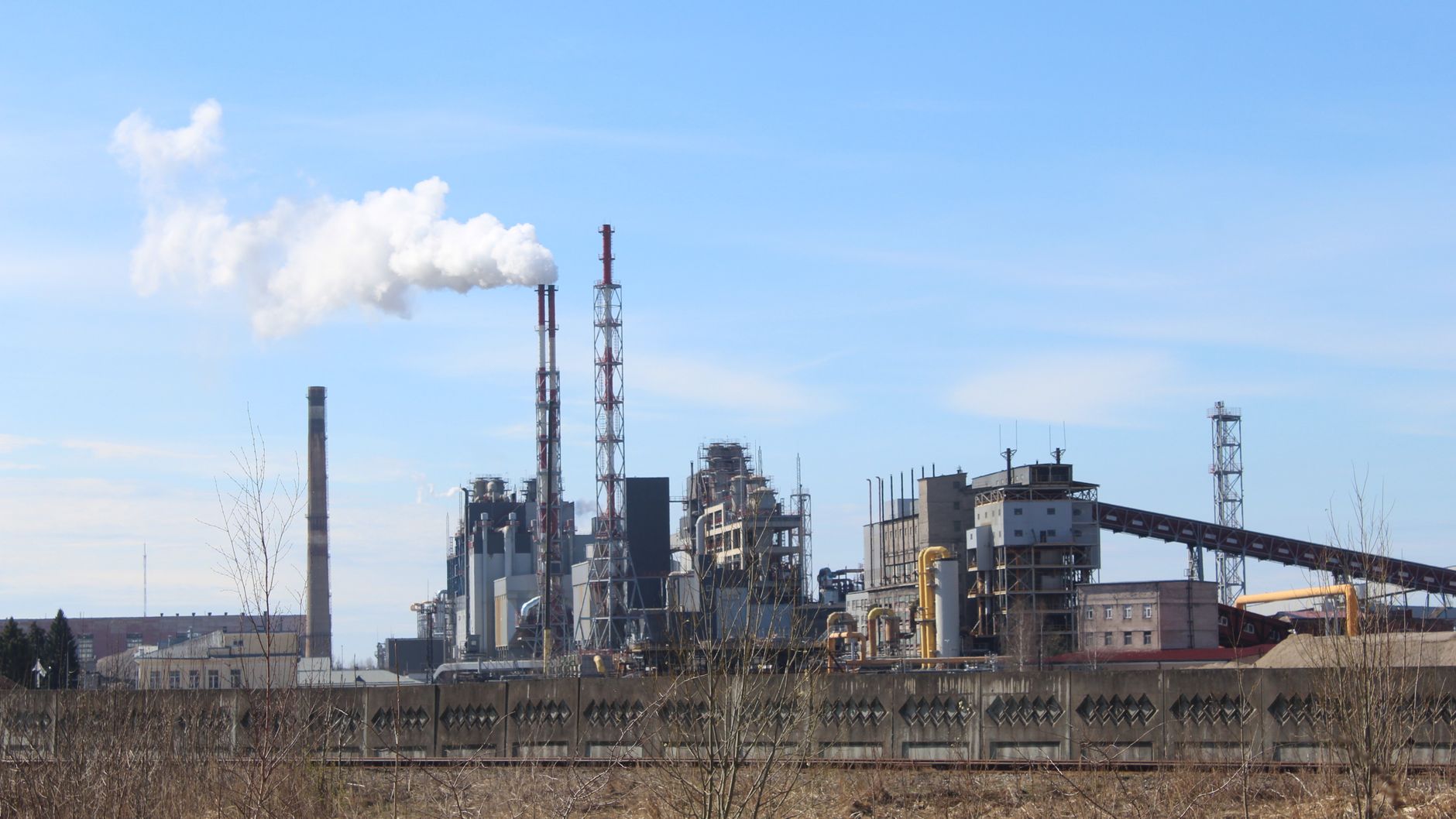
The announcement by Tata Steel to capture off‑gas from its Odisha plant for hydrogen generation marks a strategic step toward decarbonising the Indian steel value chain. By converting blast‑furnace coke‑oven gas and basic‑oxygen‑furnace off‑gas into low‑carbon hydrogen, Tata intends to power ancillary processes such as heat treatment and rolling while reducing reliance on grid electricity and fossil fuels. This approach can lower the overall carbon intensity of steel‑derived products, a trend that will ripple through downstream forging and machining operations.
For forging houses and OEMs, the key question is how a cleaner energy supply will affect the thermal profile of heat‑treatment cycles for alloy steels. Hydrogen‑fired furnaces typically achieve faster ramp rates and more uniform temperature distribution, which can improve grain refinement in grades like 42CrMo4 or EN8. As more steel producers adopt similar projects, buyers should expect a gradual shift in the cost structure of heat‑treated forgings—higher raw‑material prices may be offset by lower energy expenditures.
Impact on Material Sourcing and Grade Selection
Energy‑efficient hydrogen furnaces favour steels that respond well to rapid heating and quenching, reinforcing demand for high‑quality forging ingots with consistent chemistry. Suppliers that can guarantee tight tolerances on carbon, alloying elements and cleanliness become critical. Kesari Alloys, an Indian manufacturer of carbon, alloy and stainless steel forging ingots, offers a broad portfolio that meets the stringent specifications required for hydrogen‑based heat treatment. Buyers looking for open‑die forging or ring‑rolling grades should evaluate the chemical uniformity and metallurgical certification of the ingots.
In addition to ingots, the growing emphasis on continuous casting for downstream processing makes continuous cast billets and blooms an attractive feedstock for manufacturers seeking to streamline production and reduce scrap. Selecting billets that are already homogenised can further enhance the efficiency of hydrogen furnaces.
Kesari Alloys Perspective
For a forging‑grade steel manufacturer like Kesari Alloys, Tata’s hydrogen initiative underscores the importance of offering materials that are compatible with next‑generation heat‑treatment technologies. Our forging ingots, produced to meet the demands of open‑die forging, ring rolling and upsetting, are engineered for the tighter thermal cycles enabled by hydrogen‑fired furnaces. By partnering with a supplier that emphasizes chemical consistency, OEMs can leverage the energy savings of hydrogen without compromising mechanical properties.
Buyers should therefore assess not only price but also the metallurgical pedigree of the ingots, billets or bars they source. When searching for an "alloy steel forging ingots manufacturer in India" or "continuous cast billets supplier", consider how the material will behave in a hydrogen‑rich environment and choose a partner like Kesari Alloys that aligns with those performance criteria.